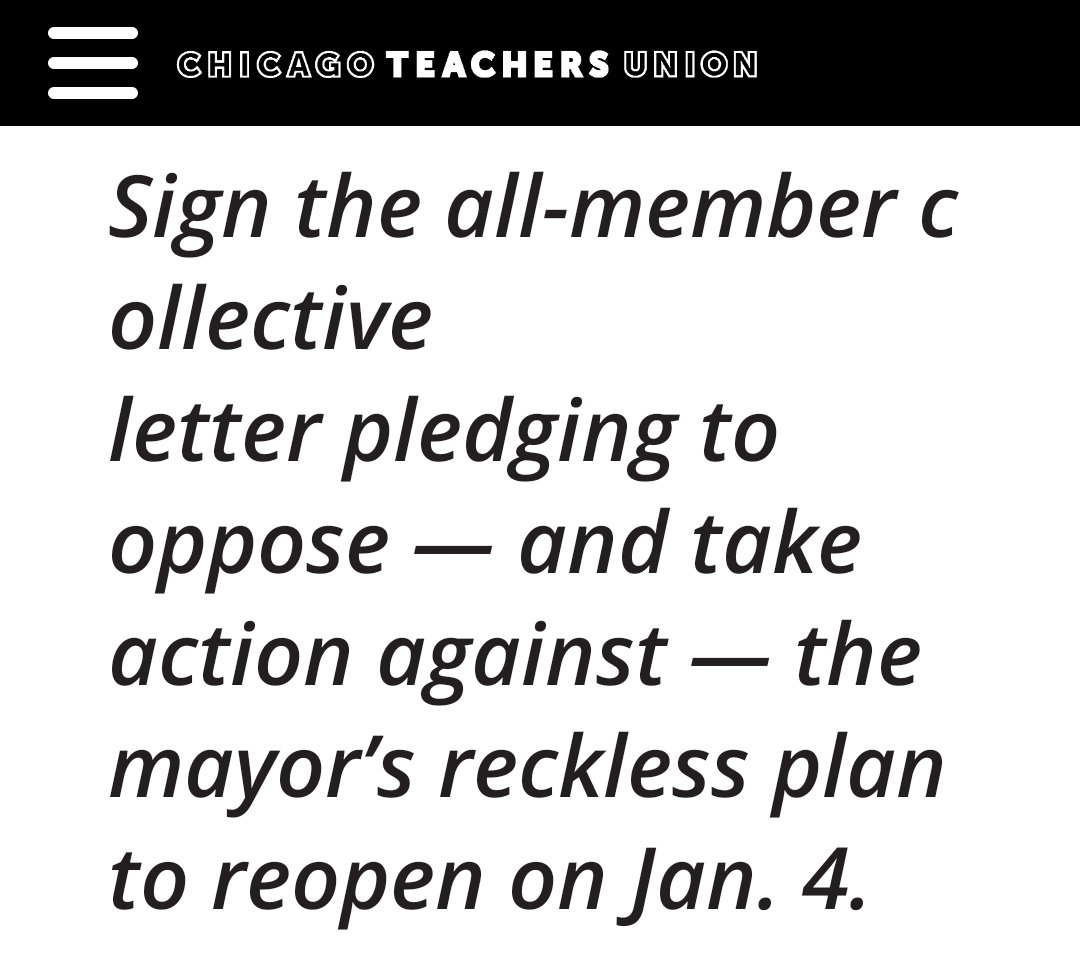
Chicago Public Schools are supposed to open for some special needs and pre-K students Monday
The Chicago Teachers Union is now threatening to refuse to return to work in person.

https://t.co/s560q5ONEe
https://t.co/RVciotOda2
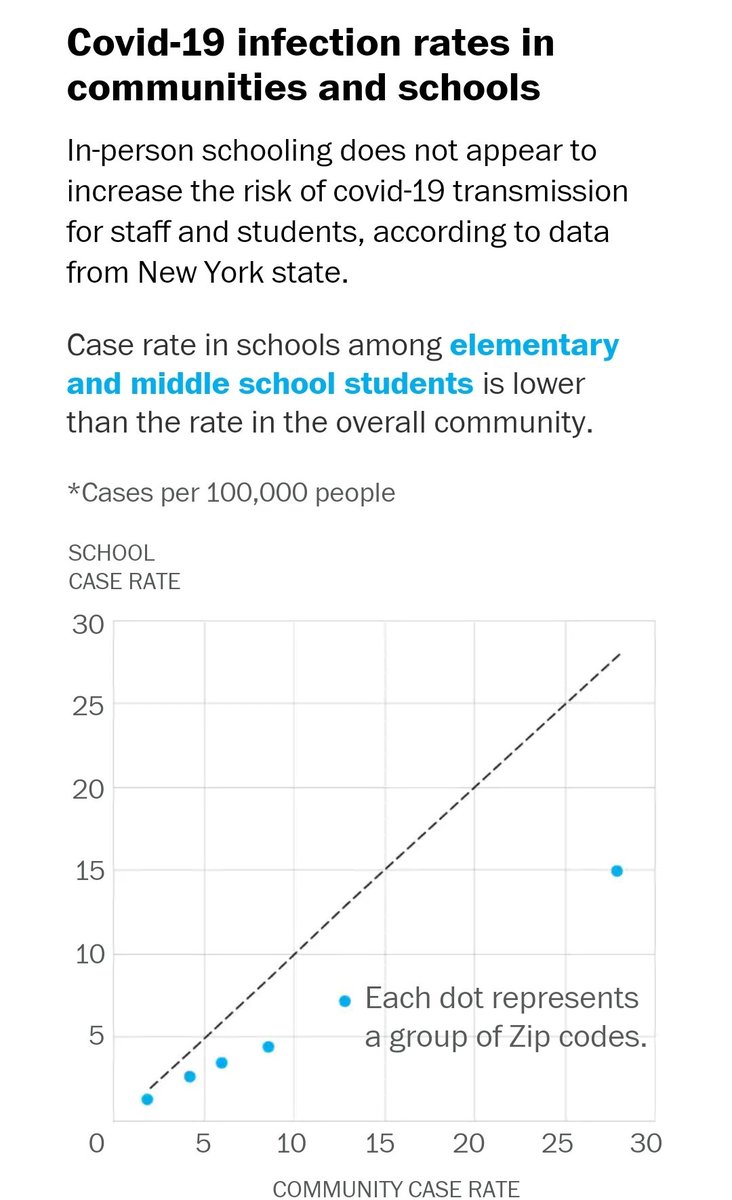
You see a very low percentage of positivity in the schools."

Cuomo: "well because the agreement [...] the local school districts consulted their parents, the teachers at the time, the teachers union at the time, and they came up with an agreement."

More from Education





Trending news of The Rock's daughter Simone Johnson's announcing her new Stage Name is breaking our Versus tool because "Wrestling Name" isn't in our database!
Here's the most useful #Factualist comparison pages #Thread 🧵

What is the difference between “pseudonym” and “stage name?”
Pseudonym means “a fictitious name (more literally, a false name), as those used by writers and movie stars,” while stage name is “the pseudonym of an entertainer.”
https://t.co/hT5XPkTepy #english #wiki #wikidiff
People also found this comparison helpful:
Alias #versus Stage Name: What’s the difference?
Alias means “another name; an assumed name,” while stage name means “the pseudonym of an entertainer.”
https://t.co/Kf7uVKekMd #Etymology #words
Another common #question:
What is the difference between “alias” and “pseudonym?”
As nouns alias means “another name; an assumed name,” while pseudonym means “a fictitious name (more literally, a false name), as those used by writers and movie
Here is a very basic #comparison: "Name versus Stage Name"
As #nouns, the difference is that name means “any nounal word or phrase which indicates a particular person, place, class, or thing,” but stage name means “the pseudonym of an
Here's the most useful #Factualist comparison pages #Thread 🧵
What is the difference between “pseudonym” and “stage name?”
Pseudonym means “a fictitious name (more literally, a false name), as those used by writers and movie stars,” while stage name is “the pseudonym of an entertainer.”
https://t.co/hT5XPkTepy #english #wiki #wikidiff
People also found this comparison helpful:
Alias #versus Stage Name: What’s the difference?
Alias means “another name; an assumed name,” while stage name means “the pseudonym of an entertainer.”
https://t.co/Kf7uVKekMd #Etymology #words
Another common #question:
What is the difference between “alias” and “pseudonym?”
As nouns alias means “another name; an assumed name,” while pseudonym means “a fictitious name (more literally, a false name), as those used by writers and movie
Here is a very basic #comparison: "Name versus Stage Name"
As #nouns, the difference is that name means “any nounal word or phrase which indicates a particular person, place, class, or thing,” but stage name means “the pseudonym of an

An appallingly tardy response to such an important element of reading - apologies. The growing recognition of fluency as the crucial developmental area for primary education is certainly encouraging helping us move away from the obsession with reading comprehension tests.
It is, as you suggest, a nuanced pedagogy with the tripartite algorithm of rate, accuracy and prosody at times conflating the landscape and often leading to an educational shrug of the shoulders, a convenient abdication of responsibility and a return to comprehension 'skills'.
Taking each element separately (but not hierarchically) may be helpful but always remembering that for fluency they occur simultaneously (not dissimilar to sentence structure, text structure and rhetoric in fluent writing).
Rate, or words-read-per-minute, is the easiest. Faster reading speeds are EVIDENCE of fluency development but attempting to 'teach' children(or anyone) to read faster is fallacious (Carver, 1985) and will result in processing deficit which in young readers will be catastrophic.
Reading rate is dependent upon eye-movements and cognitive processing development along with orthographic development (more on this later).
Sorry - a bit of a brain dump post - but I'd appreciate any responses and/or directions towards any applicable research.@Suchmo83 @Mr_AlmondED @TimRasinski1 @ReadingShanahan @mrspennyslater @TheReadingApe @PieCorbett @ReadingRockets @teach_well
— Mr Leyshon (@RyonWLeyshon) February 4, 2021
It is, as you suggest, a nuanced pedagogy with the tripartite algorithm of rate, accuracy and prosody at times conflating the landscape and often leading to an educational shrug of the shoulders, a convenient abdication of responsibility and a return to comprehension 'skills'.
Taking each element separately (but not hierarchically) may be helpful but always remembering that for fluency they occur simultaneously (not dissimilar to sentence structure, text structure and rhetoric in fluent writing).
Rate, or words-read-per-minute, is the easiest. Faster reading speeds are EVIDENCE of fluency development but attempting to 'teach' children(or anyone) to read faster is fallacious (Carver, 1985) and will result in processing deficit which in young readers will be catastrophic.
Reading rate is dependent upon eye-movements and cognitive processing development along with orthographic development (more on this later).
You May Also Like


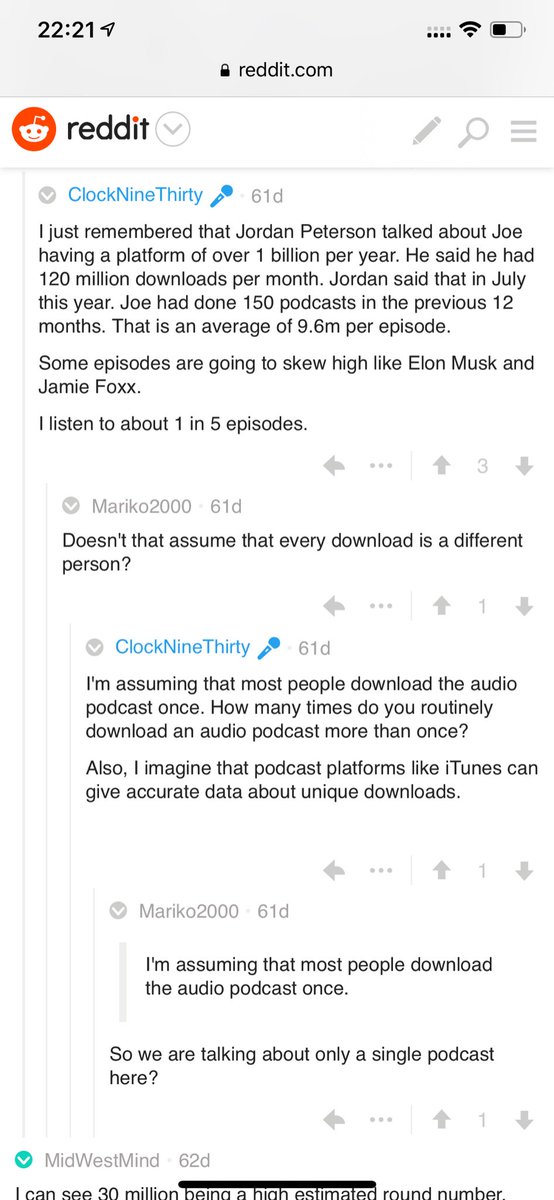
Joe Rogan's podcast is now is listened to 1.5+ billion times per year at around $50-100M/year revenue.
Independent and 100% owned by Joe, no networks, no middle men and a 100M+ people audience.
👏
https://t.co/RywAiBxA3s
Joe is the #1 / #2 podcast (depends per week) of all podcasts
120 million plays per month source https://t.co/k7L1LfDdcM
https://t.co/aGcYnVDpMu

Independent and 100% owned by Joe, no networks, no middle men and a 100M+ people audience.
👏
https://t.co/RywAiBxA3s
Joe is the #1 / #2 podcast (depends per week) of all podcasts
120 million plays per month source https://t.co/k7L1LfDdcM
https://t.co/aGcYnVDpMu