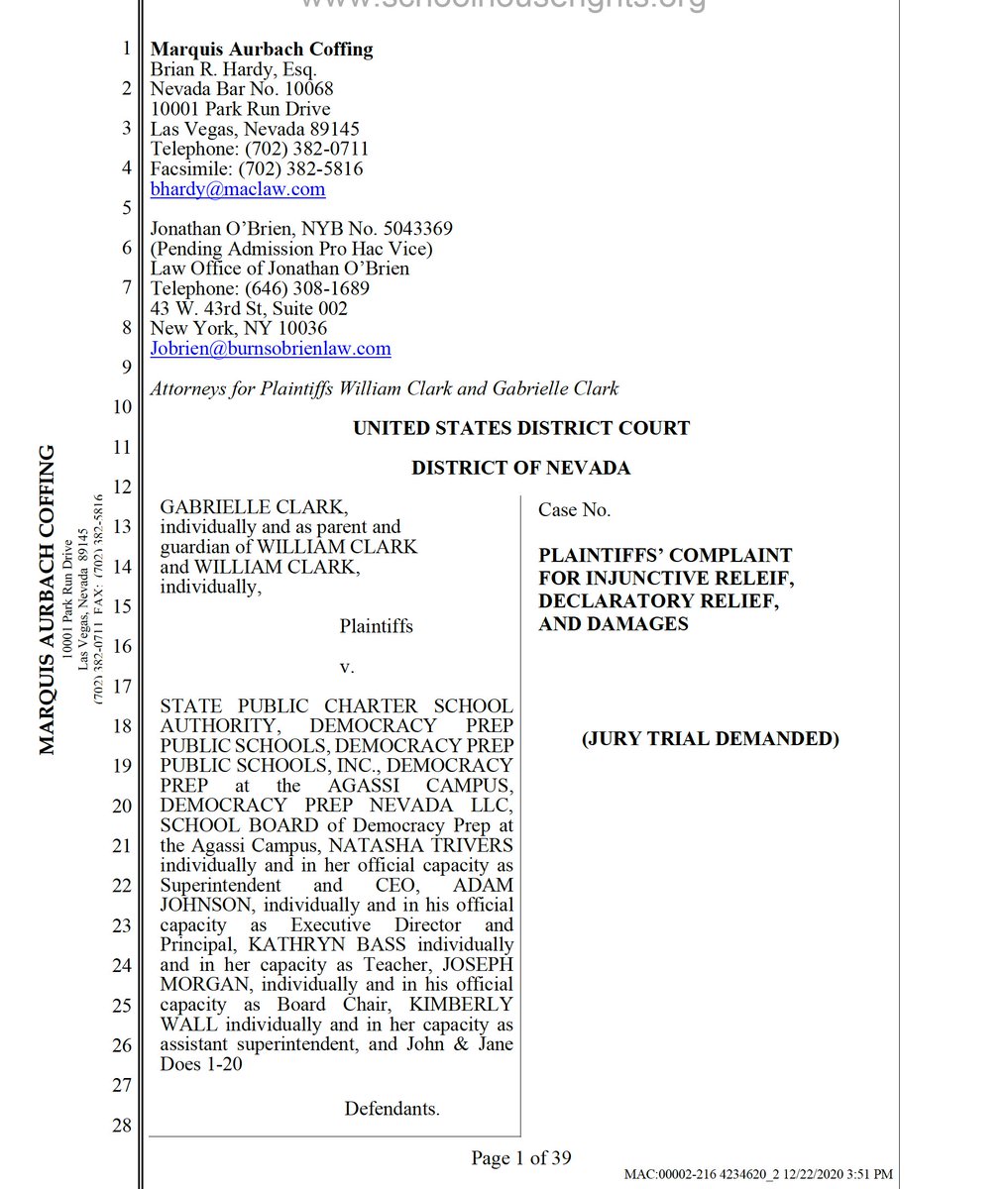
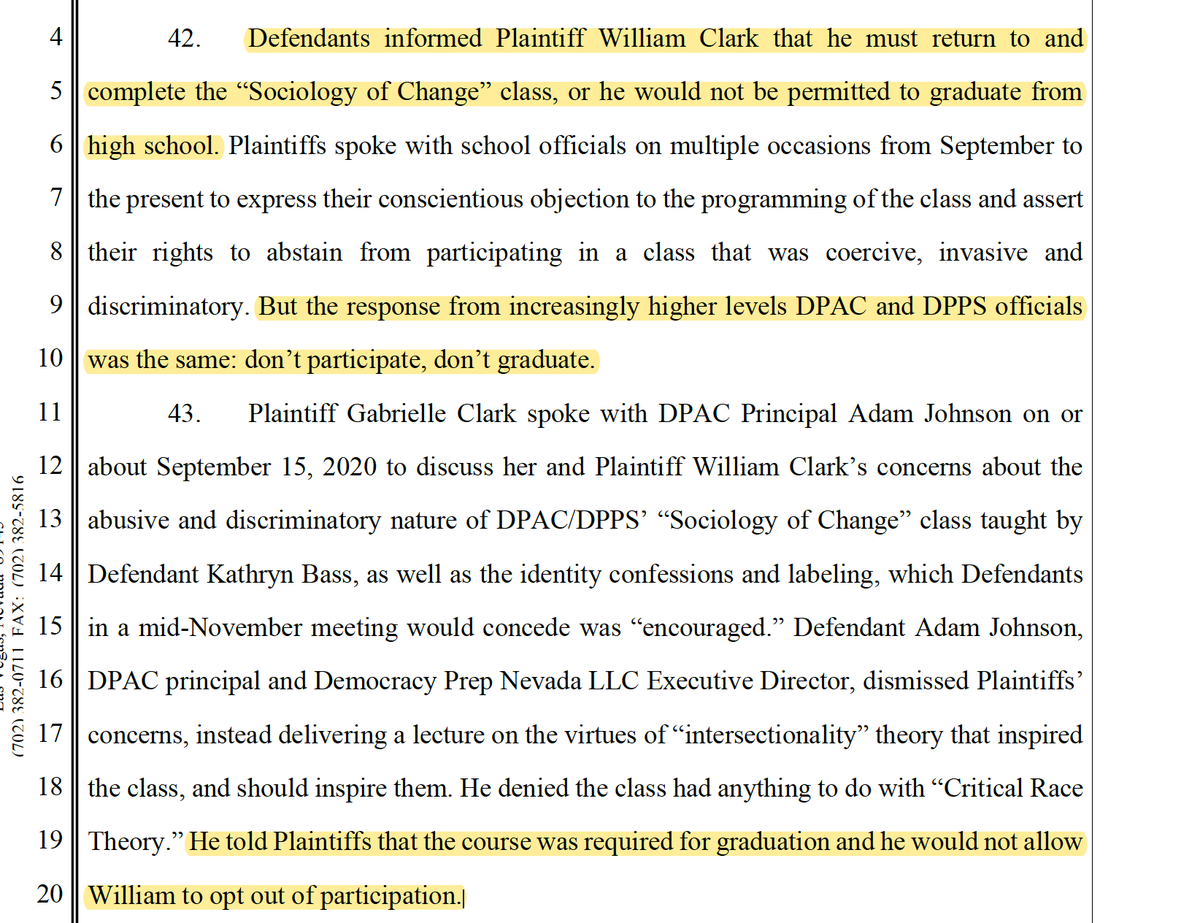
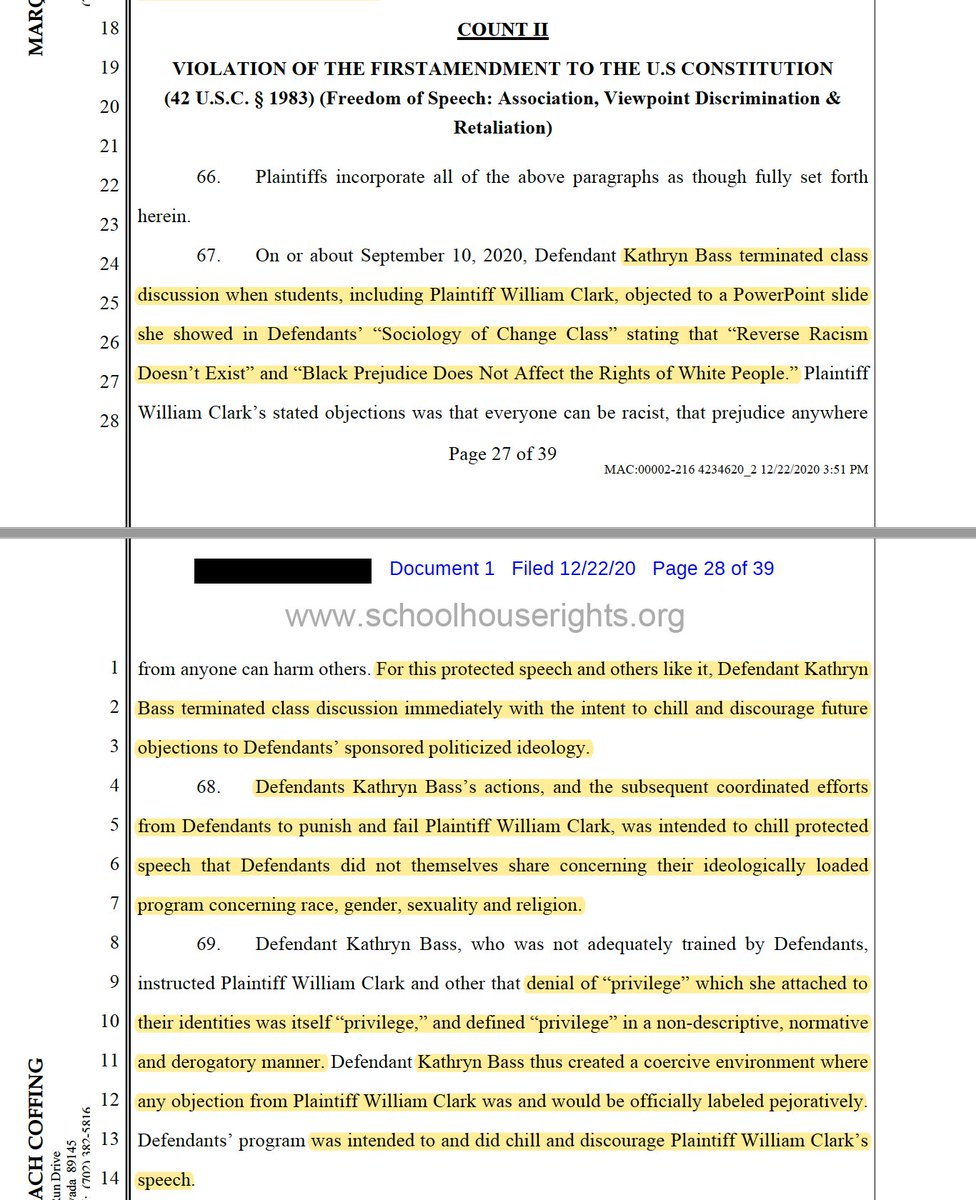
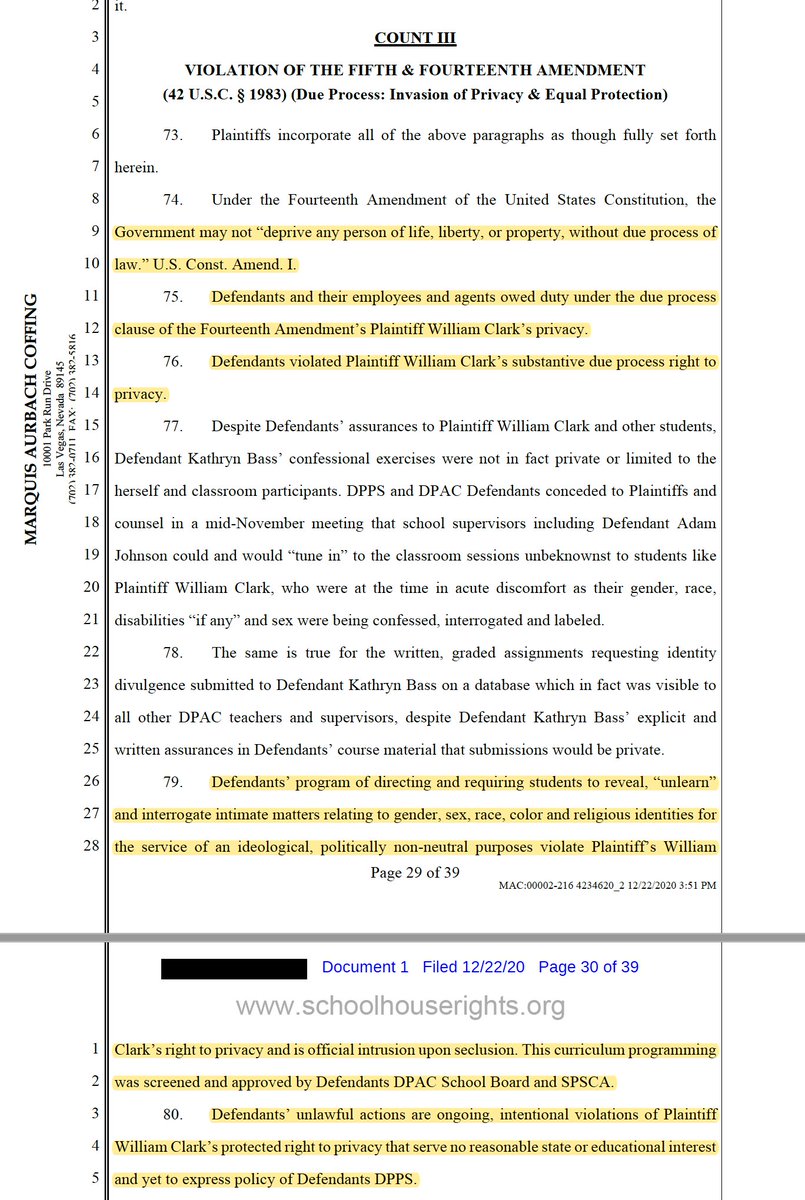
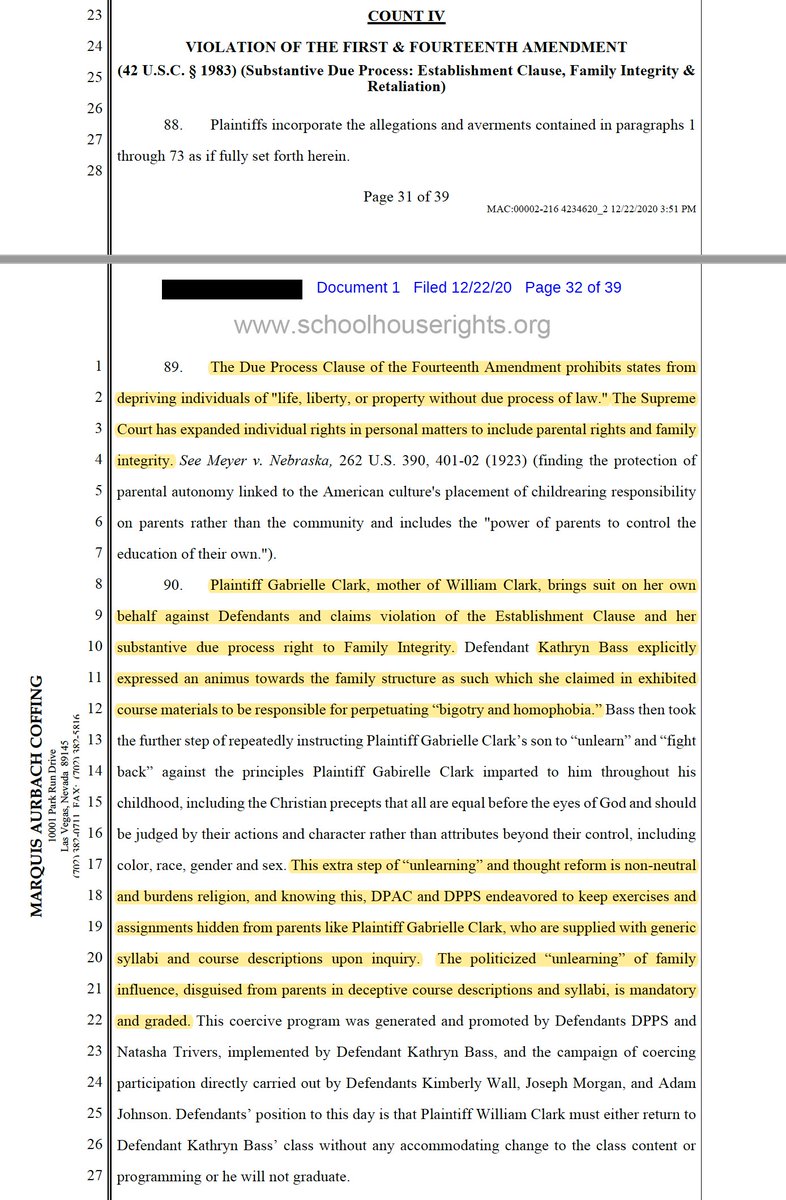
1/ 🚨BREAKING: Lawsuit filed today against educational agencies, teachers, principal, & CEO responsible for hosting workshops requiring children to make public professions about their racial, sexual, gender & religious identities, some of which were singled out for interrogation.
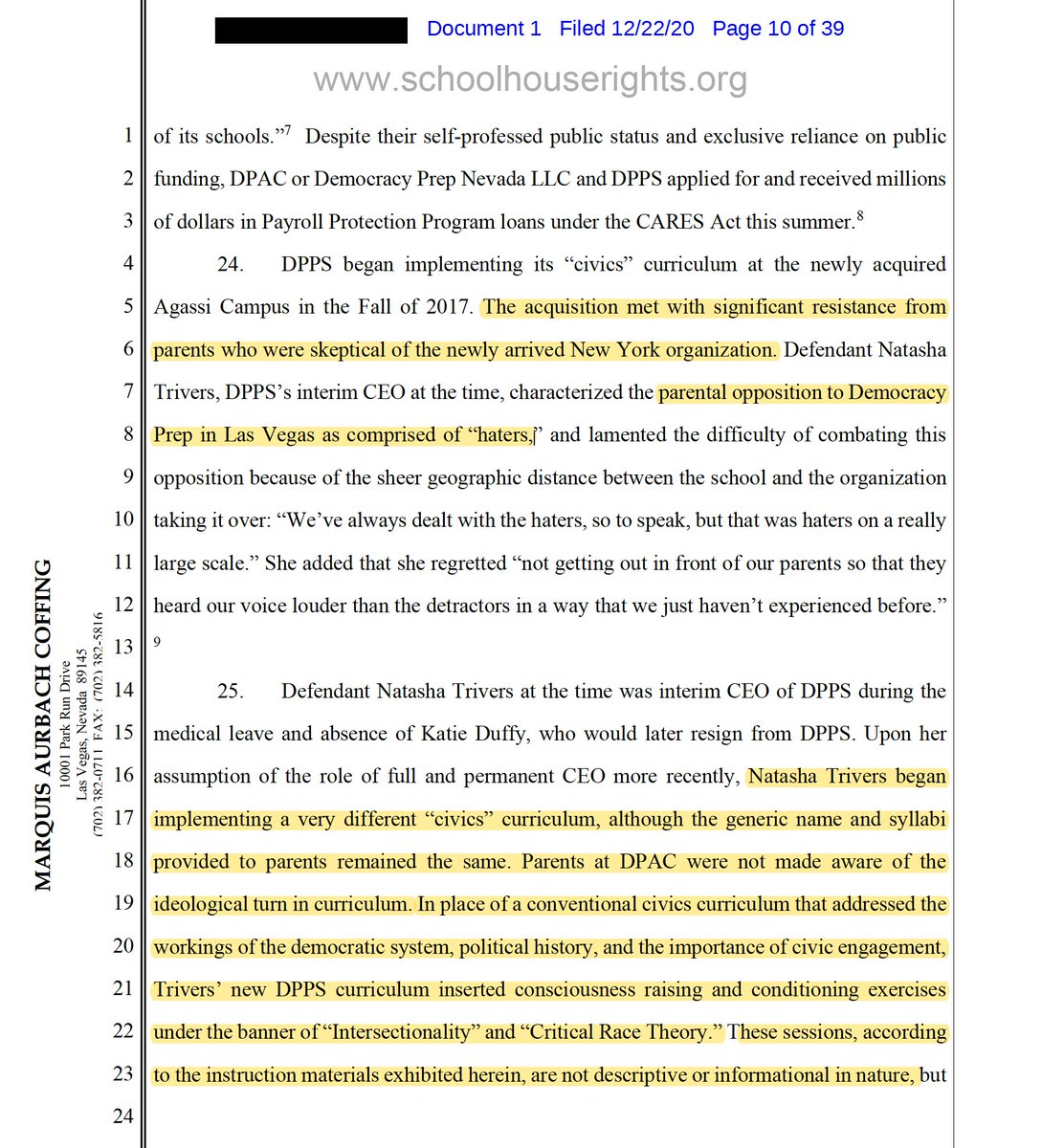
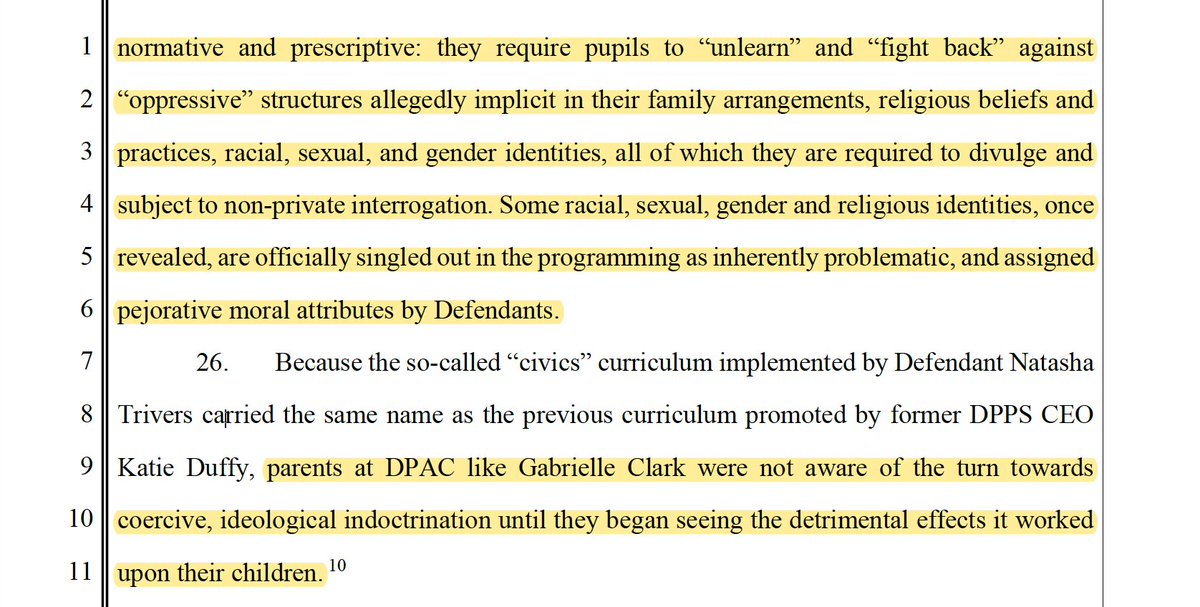
"Parents...were not aware of the turn towards coercive, ideological indoctrination until they began seeing the detrimental effects it worked up in their children."
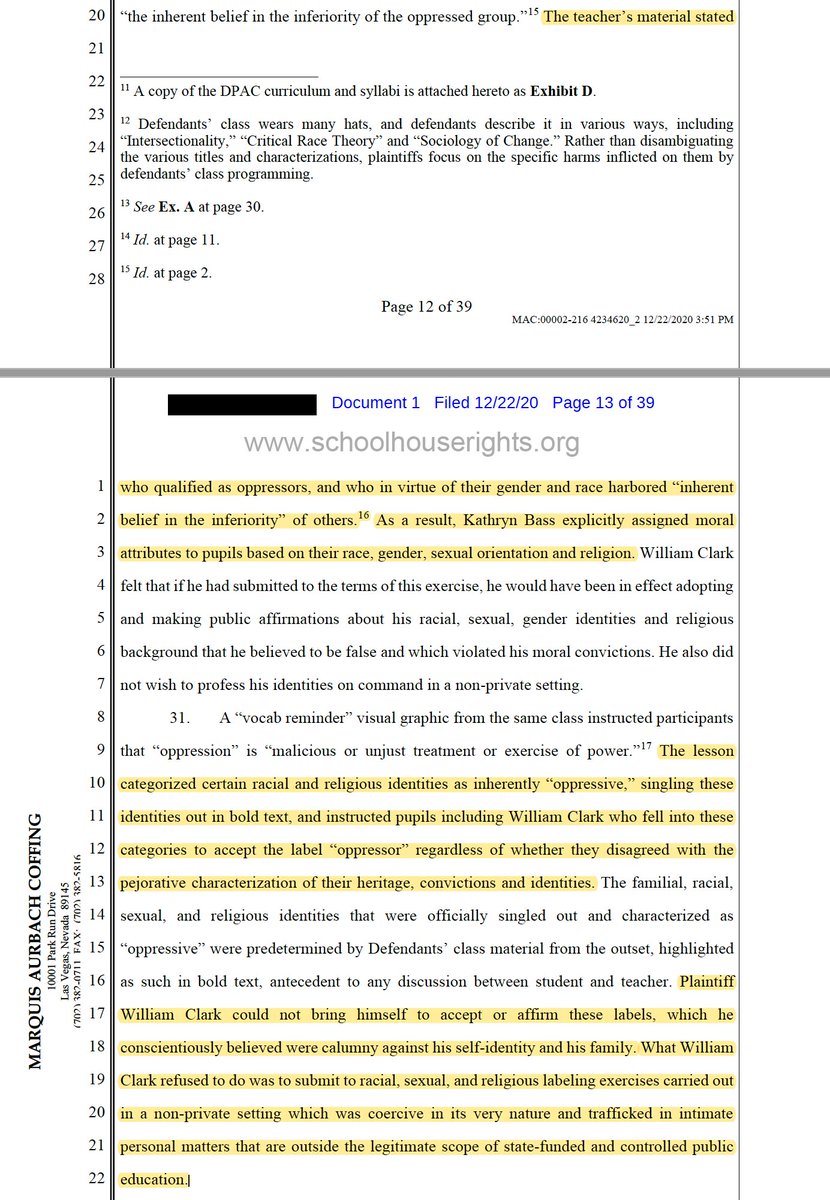
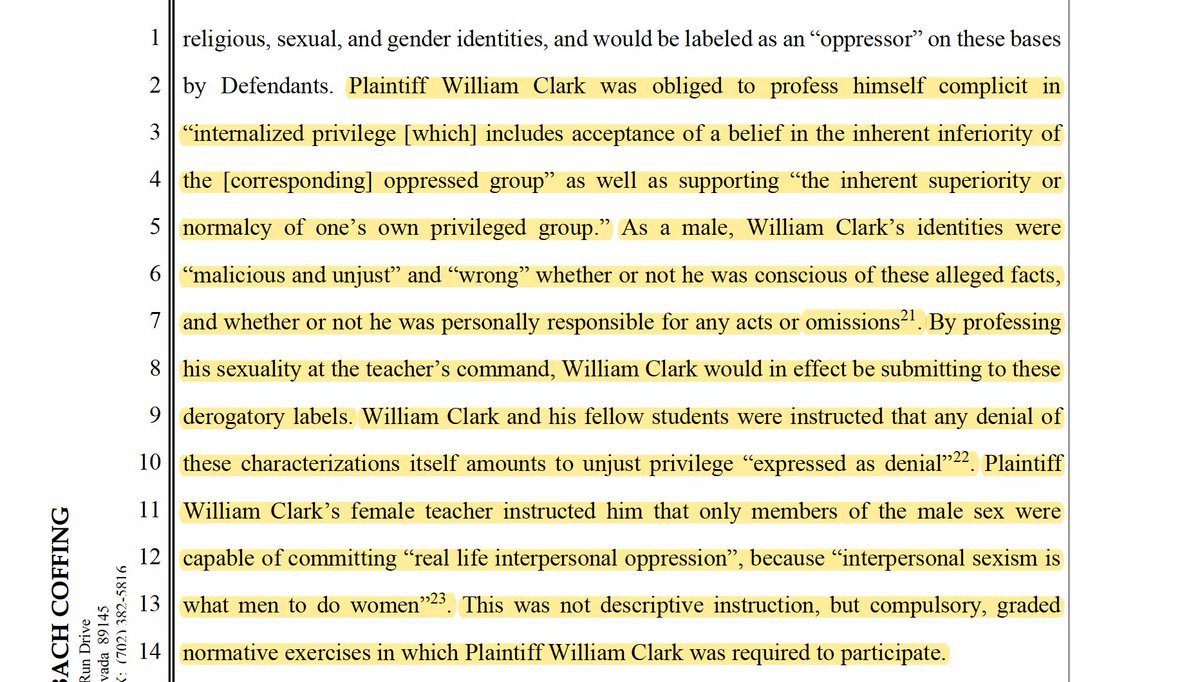
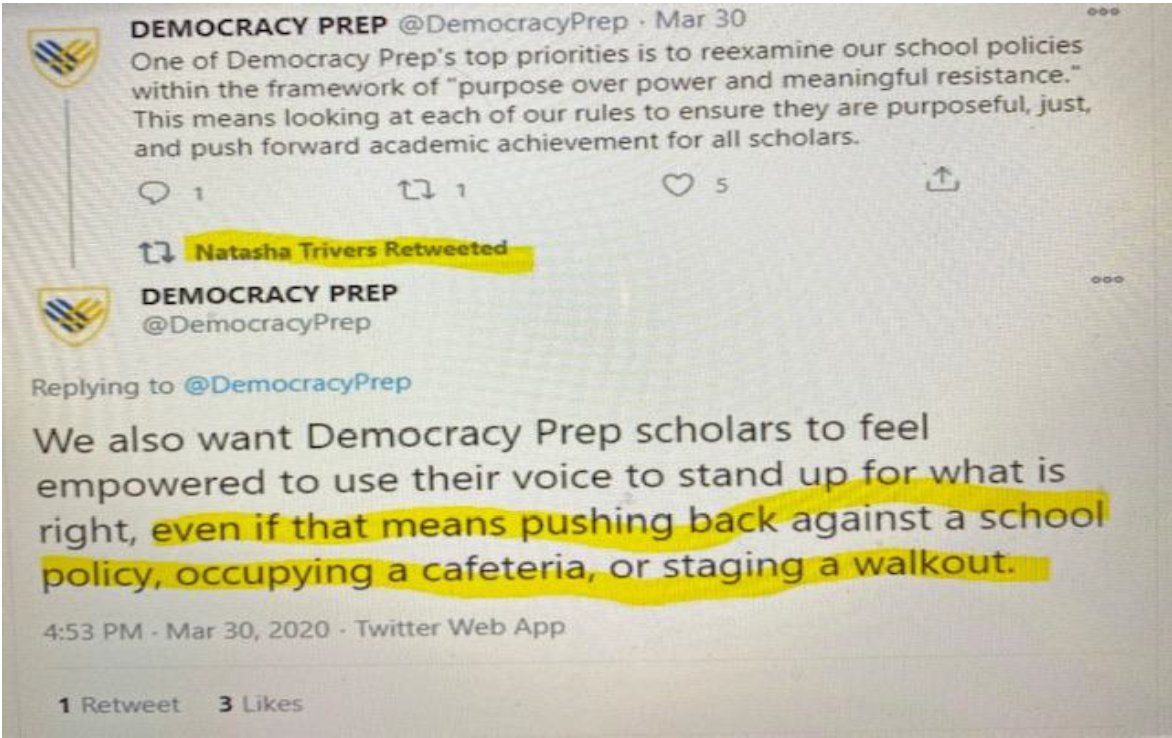
This proved justified, as he has now been suspended and accused of being a racist.
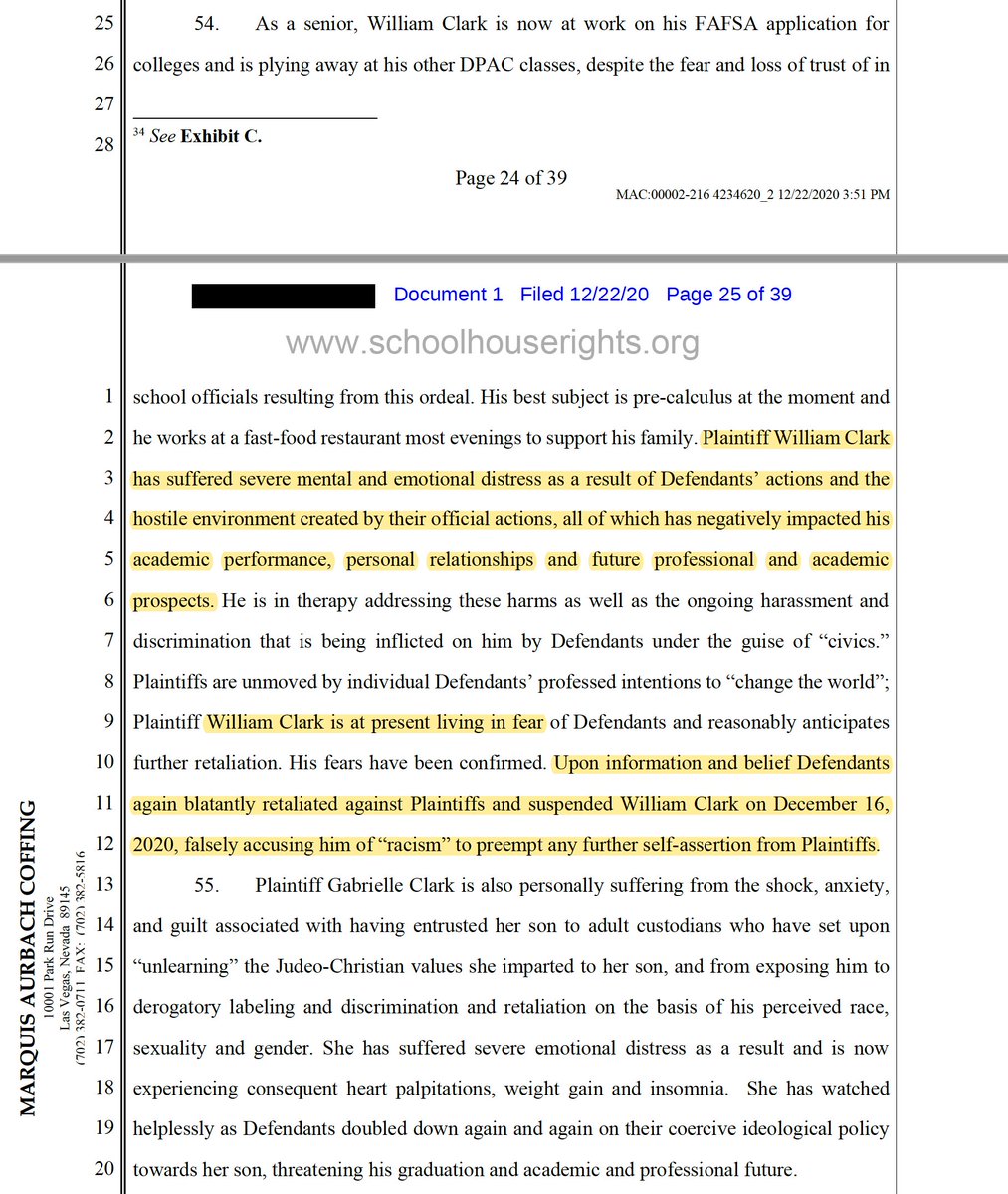

Retaliation)


More from Education

** Schools have been getting ready for this: a thread **
In many ways, I don't blame folks who tweet things like this. The media coverage of the schools situation in Covid-19 rarely talks about the quiet, day-in-day-out work that schools have been doing these past 9 months. 1/
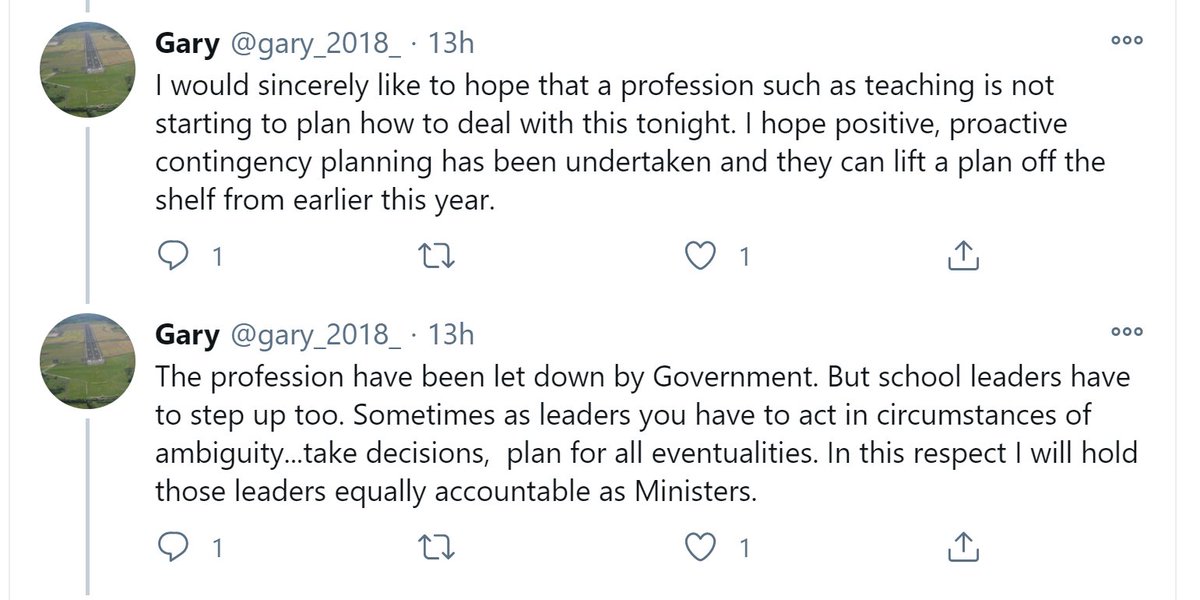
Instead, the coverage focused on the dramatic, last minute policy announcements by the government, or of dramatic stories of school closures, often accompanied by photos of socially distanced classrooms that those of us in schools this past term know are from a fantasy land. 2/
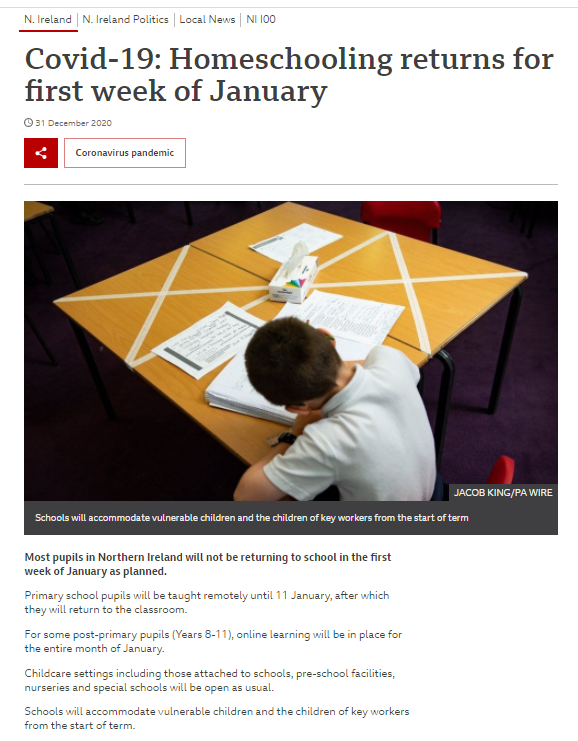
If that's all you see & hear, it's no wonder that you may not know what has actually been happening in schools to meet the challenges. So, if you'd like a glimpse behind the curtain, then read on. For this is something of what teachers & schools leaders have been up to. 3/
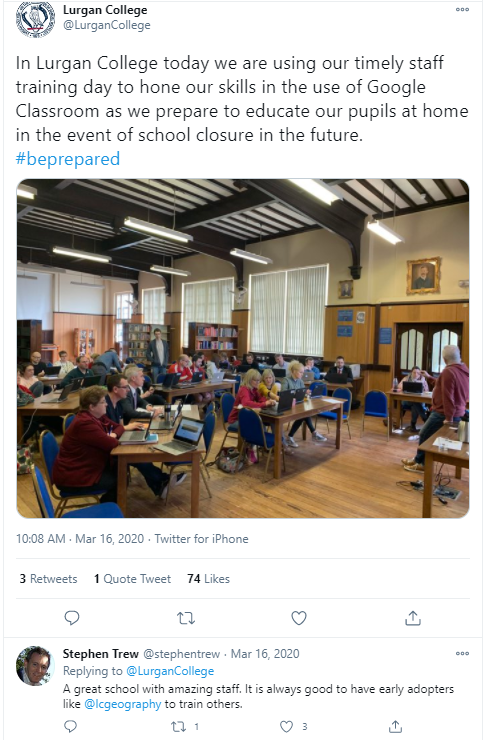
It started last March with trying to meet the challenges of lockdown, being thrown into the deep end, with only a few days' notice, to try to learn to teach remotely during the first lockdown. 4/
https://t.co/S39EWuap3b
I wrote a policy document for our staff the weekend before our training as we anticipated what was to come, a document I shared freely & widely as the education community across the land started to reach out to one another for ideas and support. 5/
https://t.co/m1QsxlPaV4
In many ways, I don't blame folks who tweet things like this. The media coverage of the schools situation in Covid-19 rarely talks about the quiet, day-in-day-out work that schools have been doing these past 9 months. 1/
Instead, the coverage focused on the dramatic, last minute policy announcements by the government, or of dramatic stories of school closures, often accompanied by photos of socially distanced classrooms that those of us in schools this past term know are from a fantasy land. 2/
If that's all you see & hear, it's no wonder that you may not know what has actually been happening in schools to meet the challenges. So, if you'd like a glimpse behind the curtain, then read on. For this is something of what teachers & schools leaders have been up to. 3/
It started last March with trying to meet the challenges of lockdown, being thrown into the deep end, with only a few days' notice, to try to learn to teach remotely during the first lockdown. 4/
https://t.co/S39EWuap3b
In Lurgan College today we are using our timely staff training day to hone our skills in the use of Google Classroom as we prepare to educate our pupils at home in the event of school closure in the future. #beprepared pic.twitter.com/E0LQkYqvBD
— Lurgan College (@LurganCollege) March 16, 2020
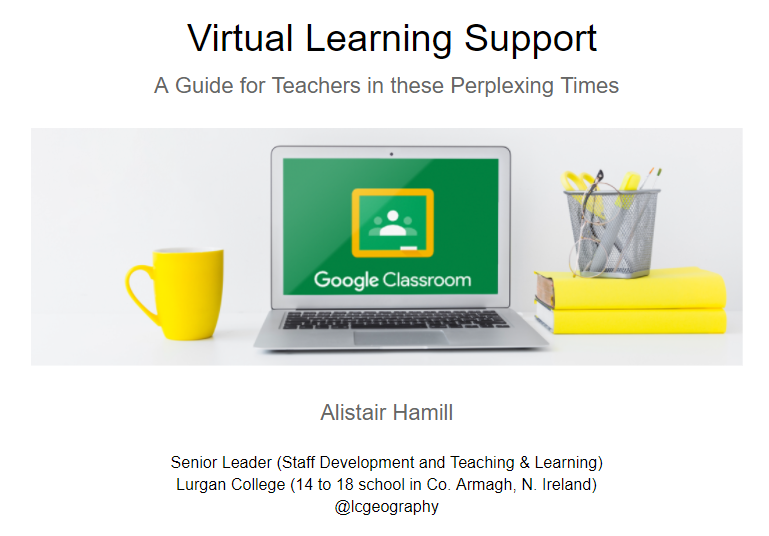
I wrote a policy document for our staff the weekend before our training as we anticipated what was to come, a document I shared freely & widely as the education community across the land started to reach out to one another for ideas and support. 5/
https://t.co/m1QsxlPaV4

A list of cool websites you might now know about
A thread 🧵
1) Learn Anything - Search tools for knowledge discovery that helps you understand any topic through the most efficient
2) Grad Speeches - Discover the best commencement speeches.
This website is made by me
3) What does the Internet Think - Find out what the internet thinks about anything
4) https://t.co/vuhT6jVItx - Send notes that will self-destruct after being read.
A thread 🧵
1) Learn Anything - Search tools for knowledge discovery that helps you understand any topic through the most efficient
2) Grad Speeches - Discover the best commencement speeches.
This website is made by me
3) What does the Internet Think - Find out what the internet thinks about anything
4) https://t.co/vuhT6jVItx - Send notes that will self-destruct after being read.

An appallingly tardy response to such an important element of reading - apologies. The growing recognition of fluency as the crucial developmental area for primary education is certainly encouraging helping us move away from the obsession with reading comprehension tests.
It is, as you suggest, a nuanced pedagogy with the tripartite algorithm of rate, accuracy and prosody at times conflating the landscape and often leading to an educational shrug of the shoulders, a convenient abdication of responsibility and a return to comprehension 'skills'.
Taking each element separately (but not hierarchically) may be helpful but always remembering that for fluency they occur simultaneously (not dissimilar to sentence structure, text structure and rhetoric in fluent writing).
Rate, or words-read-per-minute, is the easiest. Faster reading speeds are EVIDENCE of fluency development but attempting to 'teach' children(or anyone) to read faster is fallacious (Carver, 1985) and will result in processing deficit which in young readers will be catastrophic.
Reading rate is dependent upon eye-movements and cognitive processing development along with orthographic development (more on this later).
Sorry - a bit of a brain dump post - but I'd appreciate any responses and/or directions towards any applicable research.@Suchmo83 @Mr_AlmondED @TimRasinski1 @ReadingShanahan @mrspennyslater @TheReadingApe @PieCorbett @ReadingRockets @teach_well
— Mr Leyshon (@RyonWLeyshon) February 4, 2021
It is, as you suggest, a nuanced pedagogy with the tripartite algorithm of rate, accuracy and prosody at times conflating the landscape and often leading to an educational shrug of the shoulders, a convenient abdication of responsibility and a return to comprehension 'skills'.
Taking each element separately (but not hierarchically) may be helpful but always remembering that for fluency they occur simultaneously (not dissimilar to sentence structure, text structure and rhetoric in fluent writing).
Rate, or words-read-per-minute, is the easiest. Faster reading speeds are EVIDENCE of fluency development but attempting to 'teach' children(or anyone) to read faster is fallacious (Carver, 1985) and will result in processing deficit which in young readers will be catastrophic.
Reading rate is dependent upon eye-movements and cognitive processing development along with orthographic development (more on this later).