
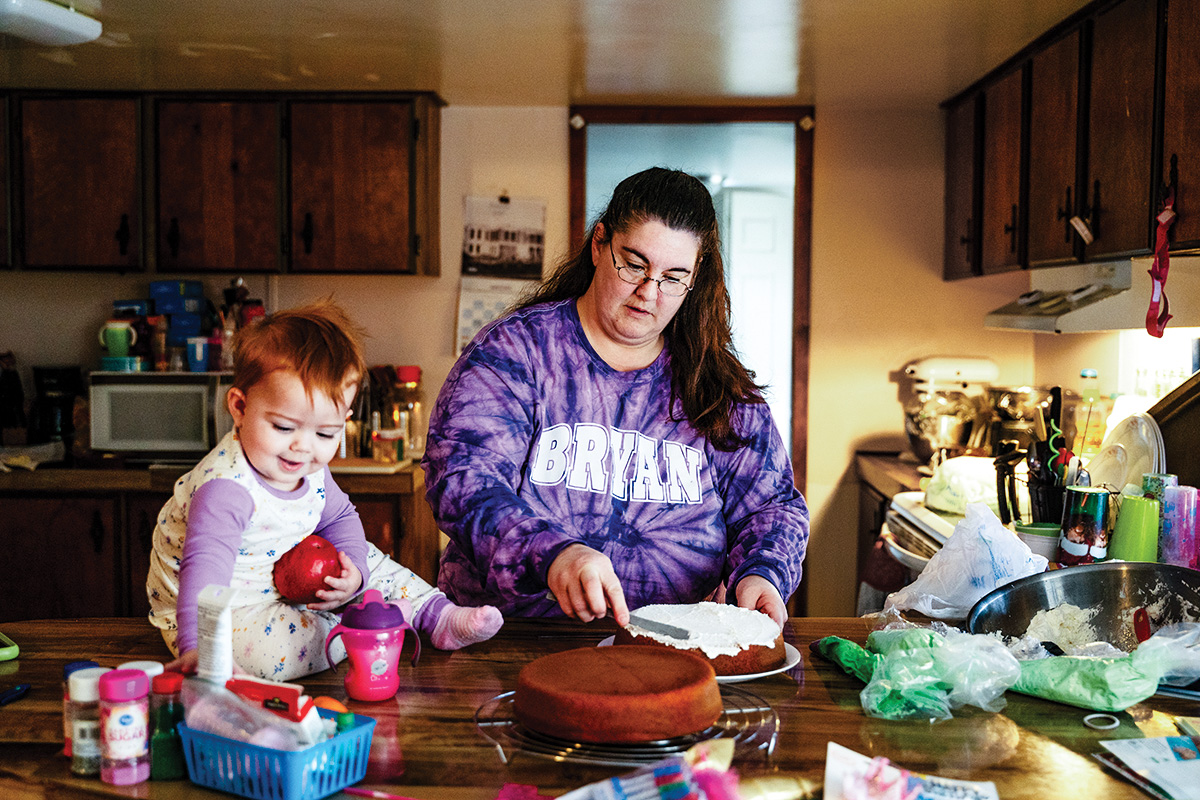
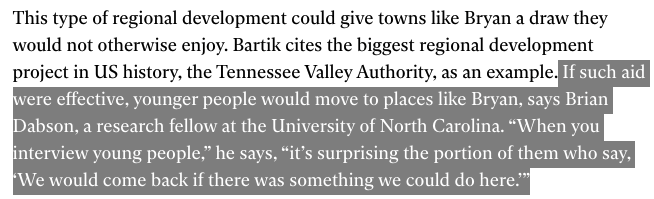
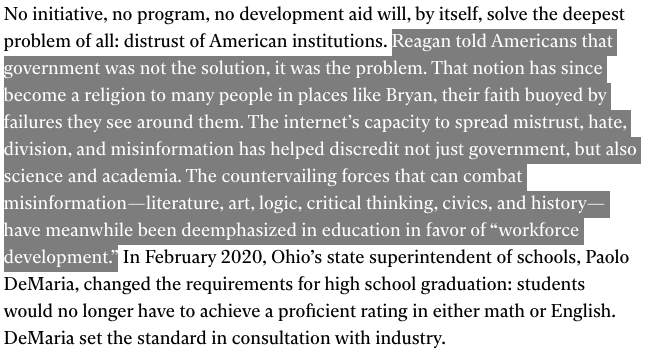
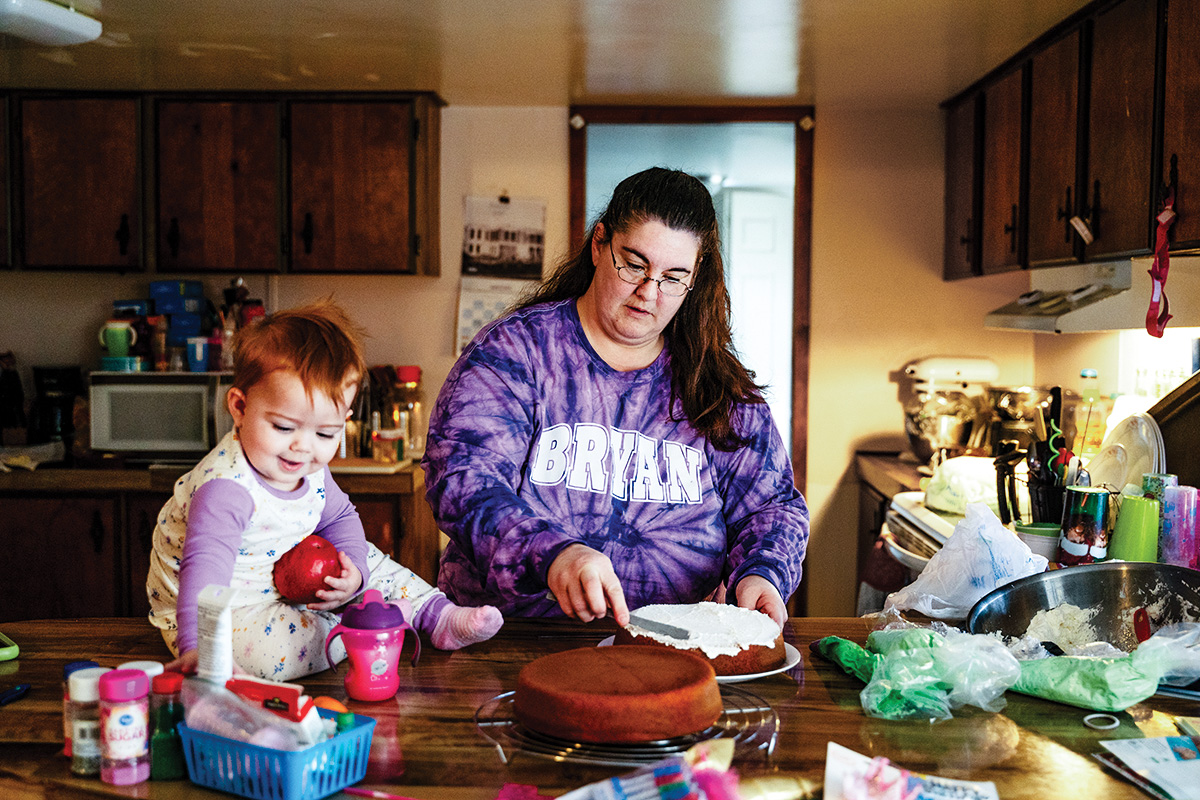
To see how the innovation economy has left much of the US behind, we traveled to the small town of Bryan, in northwestern Ohio's Williams County. This is a thread about how to fix what the innovation economy broke about America.
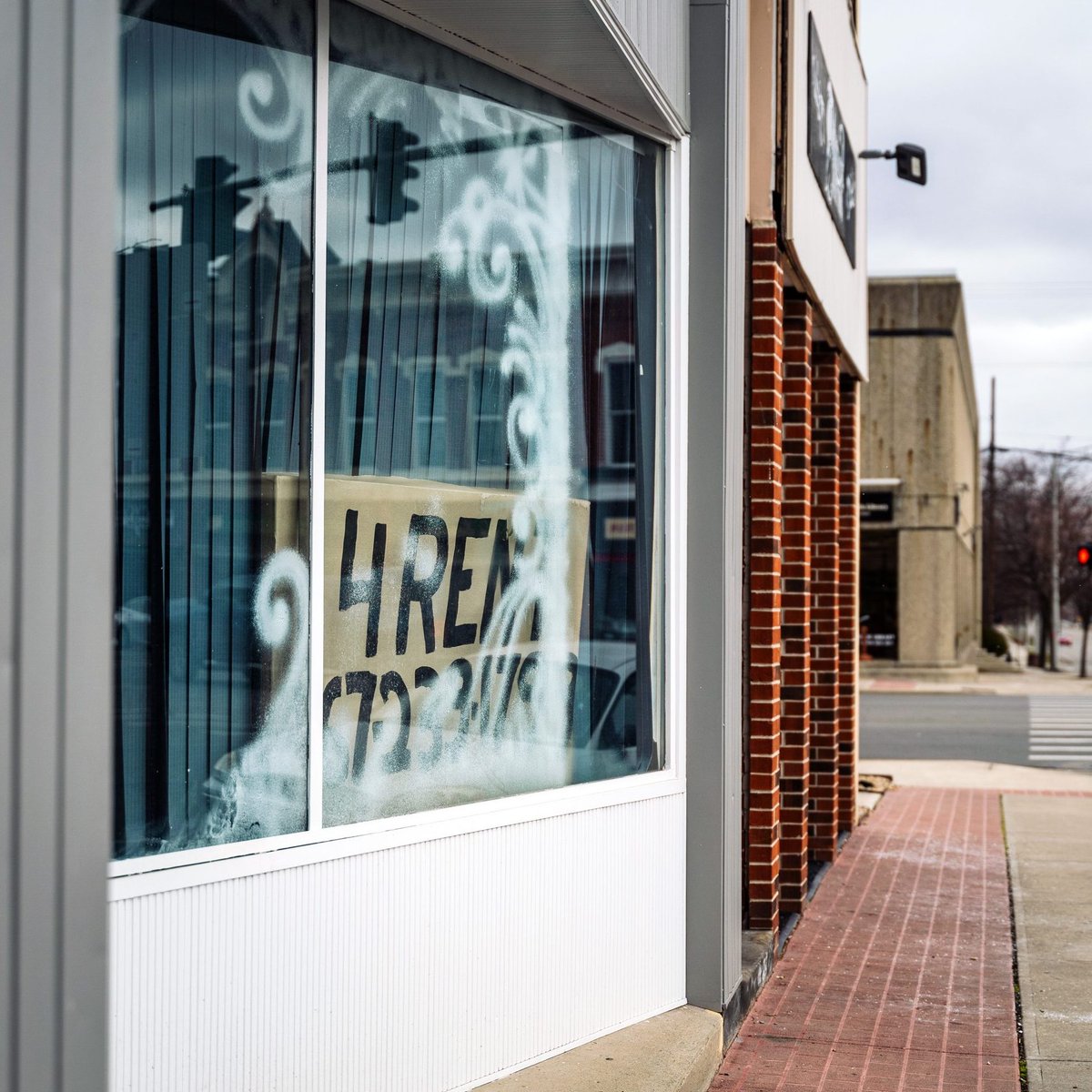
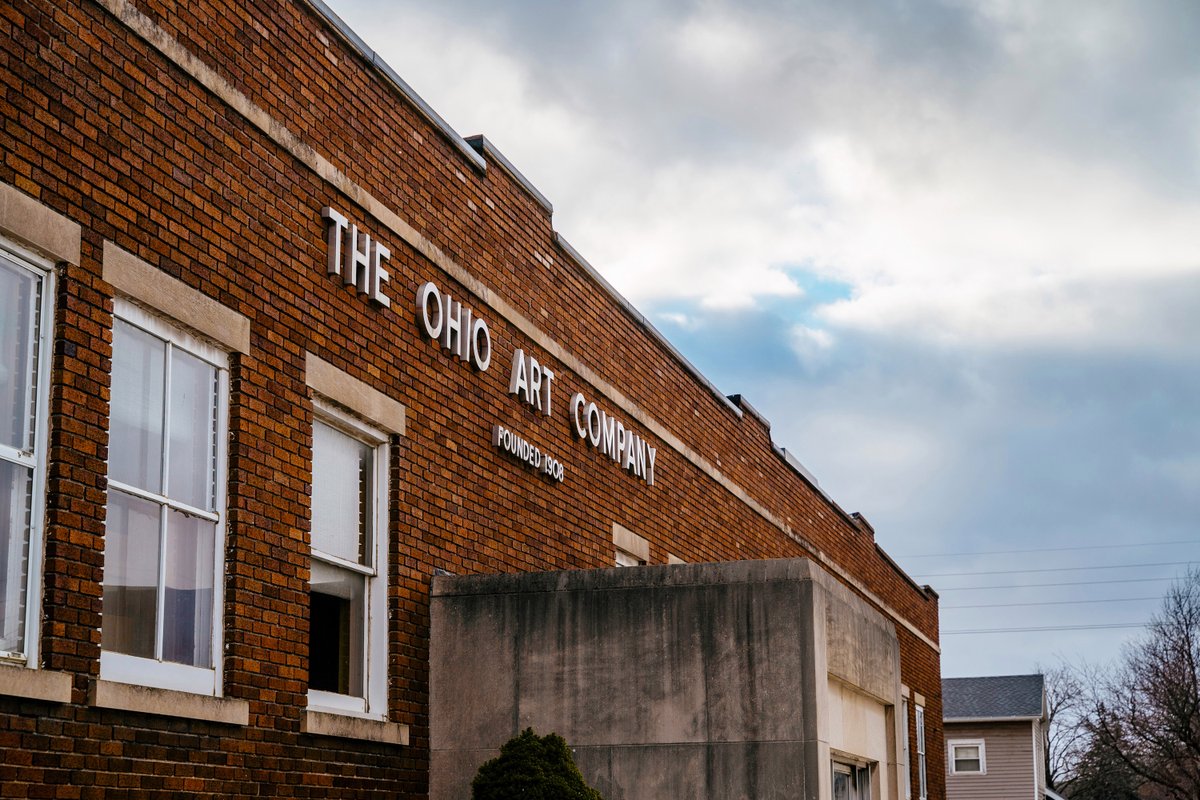

-people could maintain their homes
-the community could develop better building codes and enforce them, blight could be removed from business districts
-community features could be created or improved to attract the public
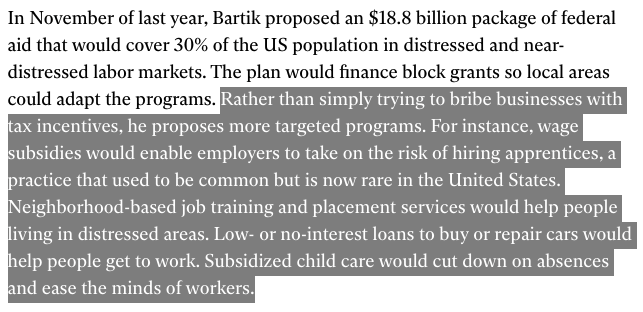

👀 READ the full story: https://t.co/M8Pto7AZrZ
More from Economy


1. HUGE DISCOVERY!
What would have been exposed if @GenFlynn hadn't been impeded by corrupt FBI, DOJ and the Obama White house?
He'd have exposed CHINA and their laundering of IRANIAN OIL MONEY!
Read the thread below for the back story on how they went after Flynn.
What would have been exposed if @GenFlynn hadn't been impeded by corrupt FBI, DOJ and the Obama White house?
He'd have exposed CHINA and their laundering of IRANIAN OIL MONEY!
Read the thread below for the back story on how they went after Flynn.
1. As promised.
— \U0001f1fa\U0001f1f8 \U0001d7dc\U0001d7d8\u210d\U0001d556\U0001d552\U0001d555 \U0001f1fa\U0001f1f8 \u2b50\u2b50\u2b50 \U0001f1fa\U0001f1f8 (@40_head) December 2, 2020
A deep dig covering years of research. This is going to take you committing some real time to get through. What's THIS all about?
A coup. Murder. Treason. Laundering gold for Iran...I think it will blow your mind.


You May Also Like






And here they are...
THE WINNERS OF THE 24 HOUR STARTUP CHALLENGE
Remember, this money is just fun. If you launched a product (or even attempted a launch) - you did something worth MUCH more than $1,000.
#24hrstartup
The winners 👇
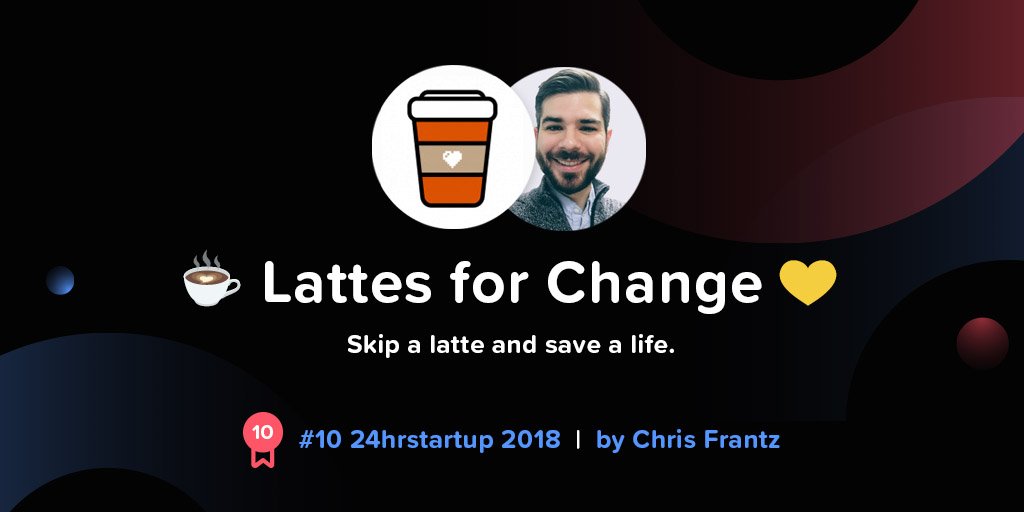
#10
Lattes For Change - Skip a latte and save a life.
https://t.co/M75RAirZzs
@frantzfries built a platform where you can see how skipping your morning latte could do for the world.
A great product for a great cause.
Congrats Chris on winning $250!
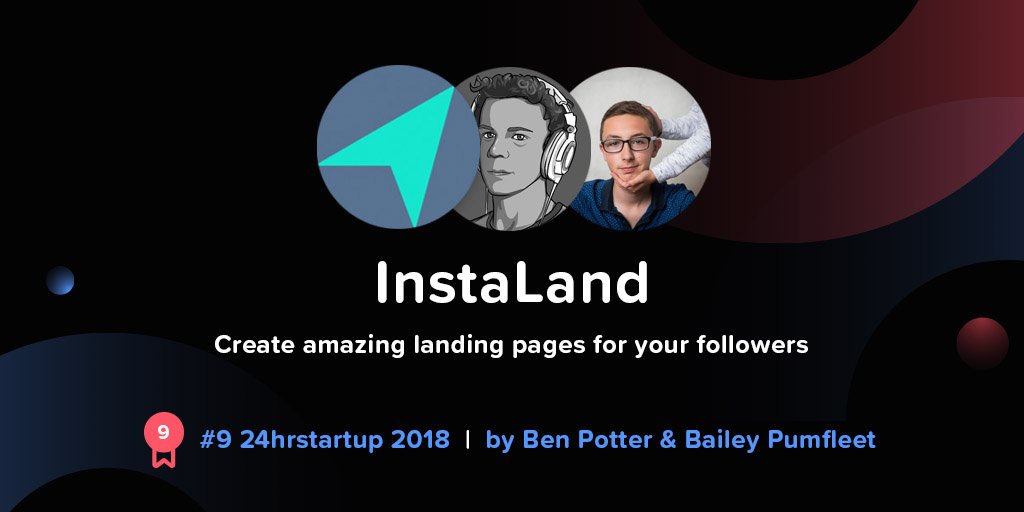
#9
Instaland - Create amazing landing pages for your followers.
https://t.co/5KkveJTAsy
A team project! @bpmct and @BaileyPumfleet built a tool for social media influencers to create simple "swipe up" landing pages for followers.
Really impressive for 24 hours. Congrats!
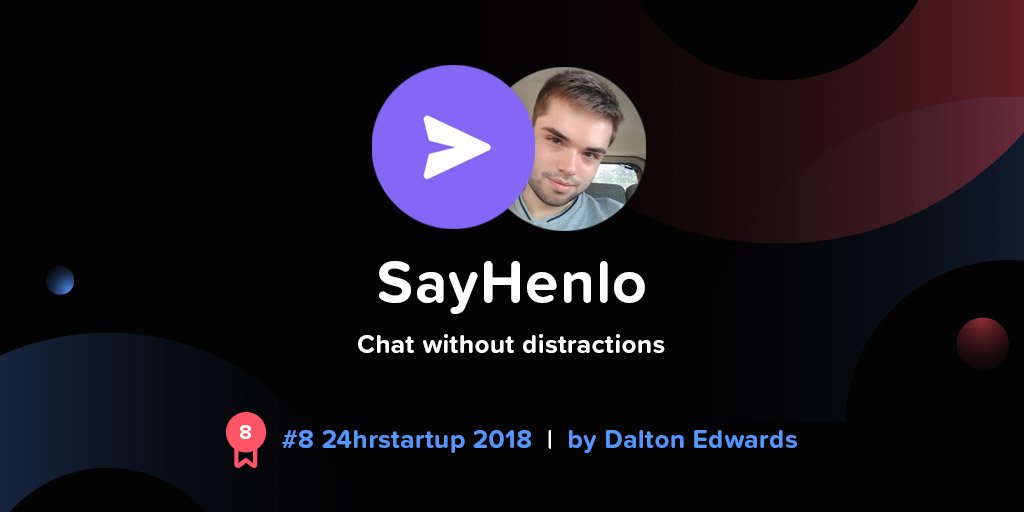
#8
SayHenlo - Chat without distractions
https://t.co/og0B7gmkW6
Built by @DaltonEdwards, it's a platform for combatting conversation overload. This product was also coded exclusively from an iPad 😲
Dalton is a beast. I'm so excited he placed in the top 10.
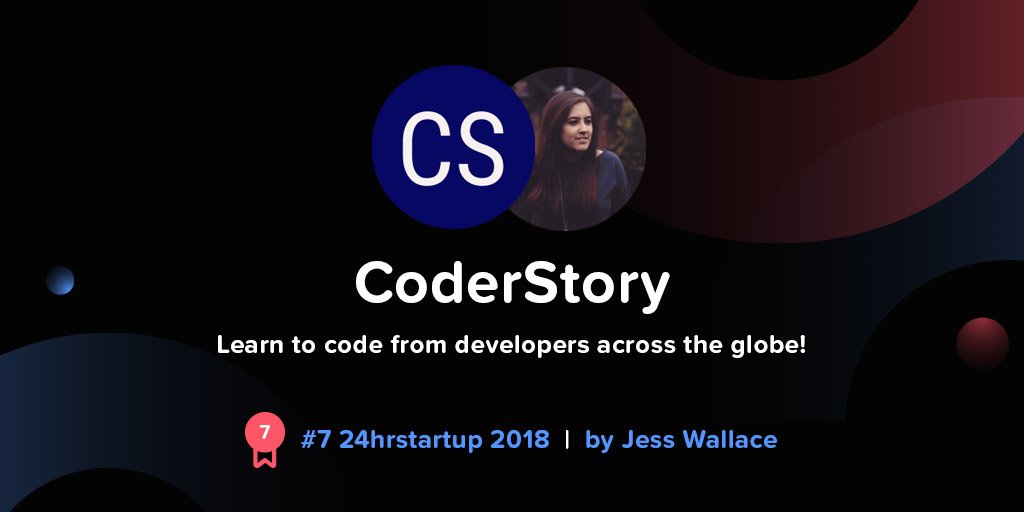
#7
CoderStory - Learn to code from developers across the globe!
https://t.co/86Ay6nF4AY
Built by @jesswallaceuk, the project is focused on highlighting the experience of developers and people learning to code.
I wish this existed when I learned to code! Congrats on $250!!
THE WINNERS OF THE 24 HOUR STARTUP CHALLENGE
Remember, this money is just fun. If you launched a product (or even attempted a launch) - you did something worth MUCH more than $1,000.
#24hrstartup
The winners 👇
#10
Lattes For Change - Skip a latte and save a life.
https://t.co/M75RAirZzs
@frantzfries built a platform where you can see how skipping your morning latte could do for the world.
A great product for a great cause.
Congrats Chris on winning $250!
#9
Instaland - Create amazing landing pages for your followers.
https://t.co/5KkveJTAsy
A team project! @bpmct and @BaileyPumfleet built a tool for social media influencers to create simple "swipe up" landing pages for followers.
Really impressive for 24 hours. Congrats!
#8
SayHenlo - Chat without distractions
https://t.co/og0B7gmkW6
Built by @DaltonEdwards, it's a platform for combatting conversation overload. This product was also coded exclusively from an iPad 😲
Dalton is a beast. I'm so excited he placed in the top 10.
#7
CoderStory - Learn to code from developers across the globe!
https://t.co/86Ay6nF4AY
Built by @jesswallaceuk, the project is focused on highlighting the experience of developers and people learning to code.
I wish this existed when I learned to code! Congrats on $250!!