Ashta Siddhi
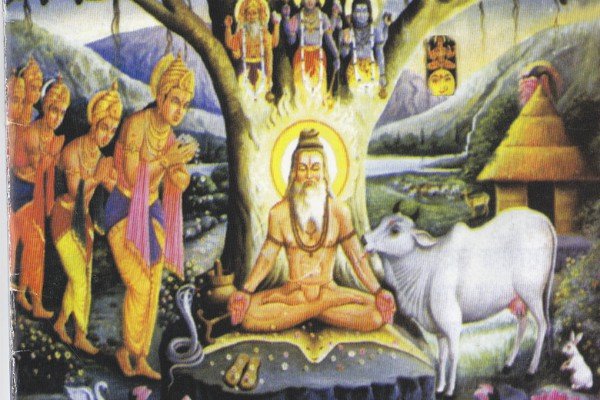
Ashta Siddhi is mentioned in Patanjali Yog sutra and can be obtained by very few through countless years of practice and devotion to all eight limbs of Ashtanga Yoga.
Siddhi can loosely be translated as accomplishment or a special power or unusual skill.
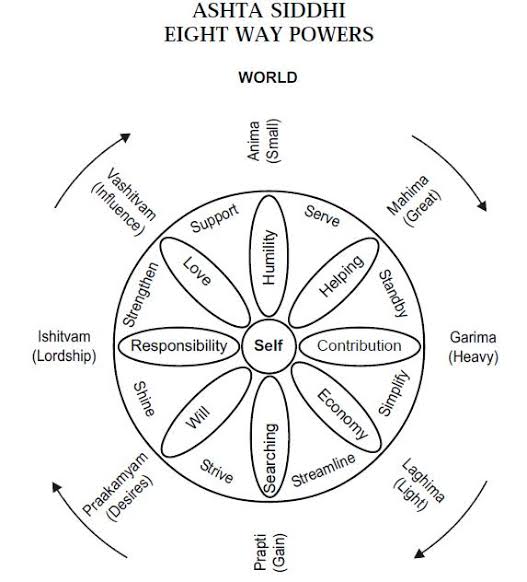
The eight Siddhis are:
1. Anima: Reducing one’s physical self to the size of an atom.
2. Mahima: Expanding one’s physical self to infinite level
3. Garima: Making one’s physical self so heavy as immovable by others
4. Laghima: Becoming almost weightless
5. Prapti: Being able travel anywhere in the Universe
6. Prakamya: Can know & understand what is going on in one’s mind. Can understand other person’s min.
7. Ishitva: Possessing title of Bhagwan
8. Vashitva: A seeker can subdue any person/thing
(Hanuman Jayanti is coming)
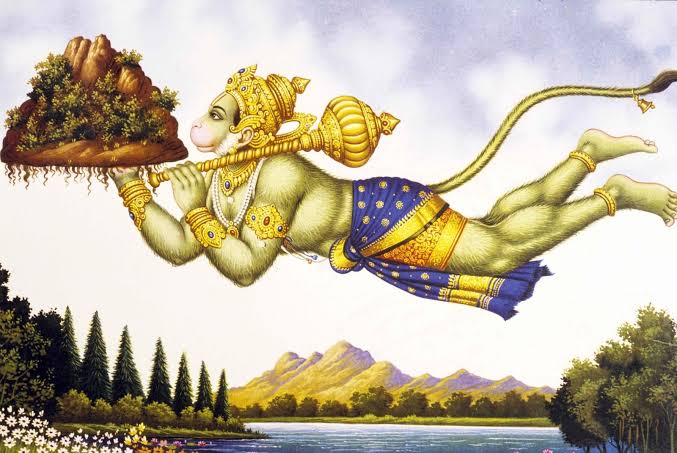
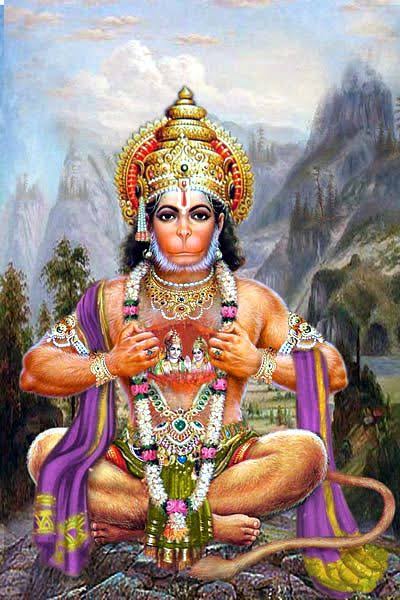
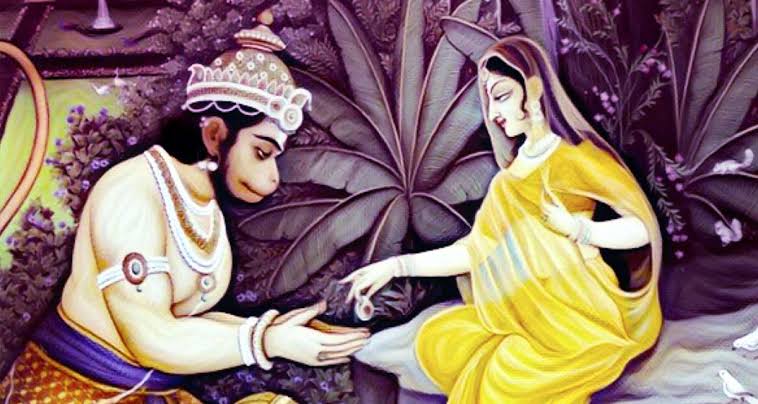
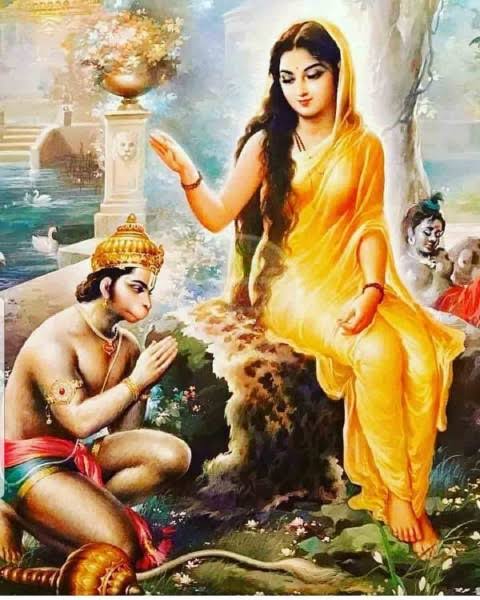
Hanumanji not only possessed all eight siddhis, but was also blessed by Sita mata as “Ashta Siddhi Nau Nidhi Ke Daata”.
When Hanumanji first reaches to Lanka on his mission to find Sita, he makes use of anima so as to be discrete in enemy territory.
He uses it again when he approaches Sita mata for the first time – reducing his size to that of a schoolboy, to avoid scaring her. He uses mahima to outwit & overpowers
the demons.