
Thread 🧵on Six tenets of #DowTheory of #TechnicalAnalysis
(Must read for #TA learners)
🙏Like & RT to spread learning with all 🙏
@rohanshah619 @Mitesh_Engr @PAlearner @Puretechnicals9 @caniravkaria @Arpit1223
Views Welcome
#TechnicalAnalysis #StockMarket
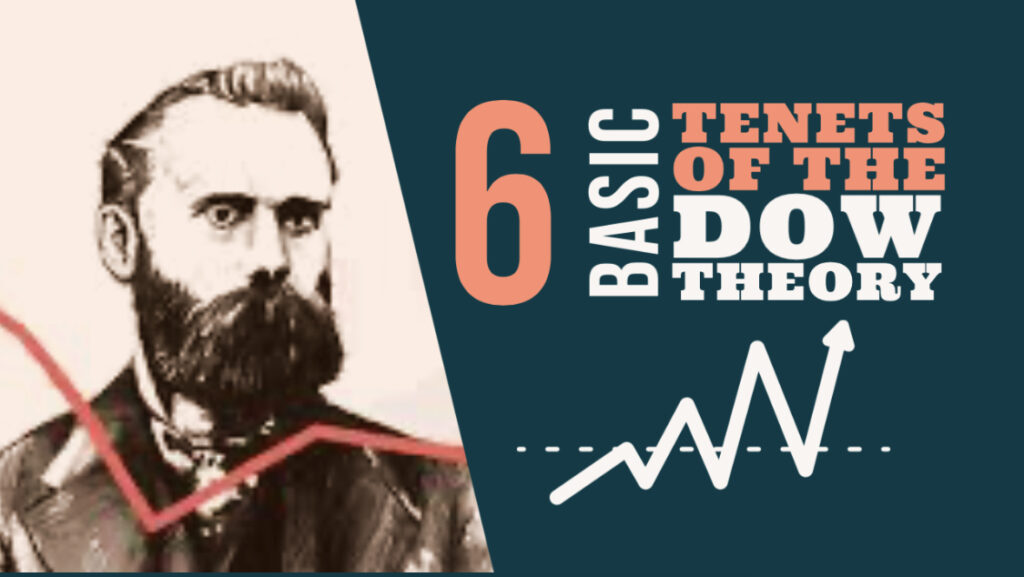

This principle explains that any information available in market is already reflected in price of stocks & indices. This includes all data such as earnings announcements by companies, rise (or fall) in inflation or even sentiments of investors.
This theory was the first to propound that the market moves in trends.
The trends are:
✅Primary Trends
✅Secondary Trends
✅Minor Trends
The theory says that there are three phases to each primary trend:
✅accumulation phase
✅public participation phase
✅panic phase
A trend in the market cannot be verified by a single index. All indices should reflect the same opinion.
Trend in market should be supported by trading volumes.
For eg, in upward trend, volume rises with increase in price and falls with decrease in price. And in downward trend, volume increases with fall in price and decreases with price rise.
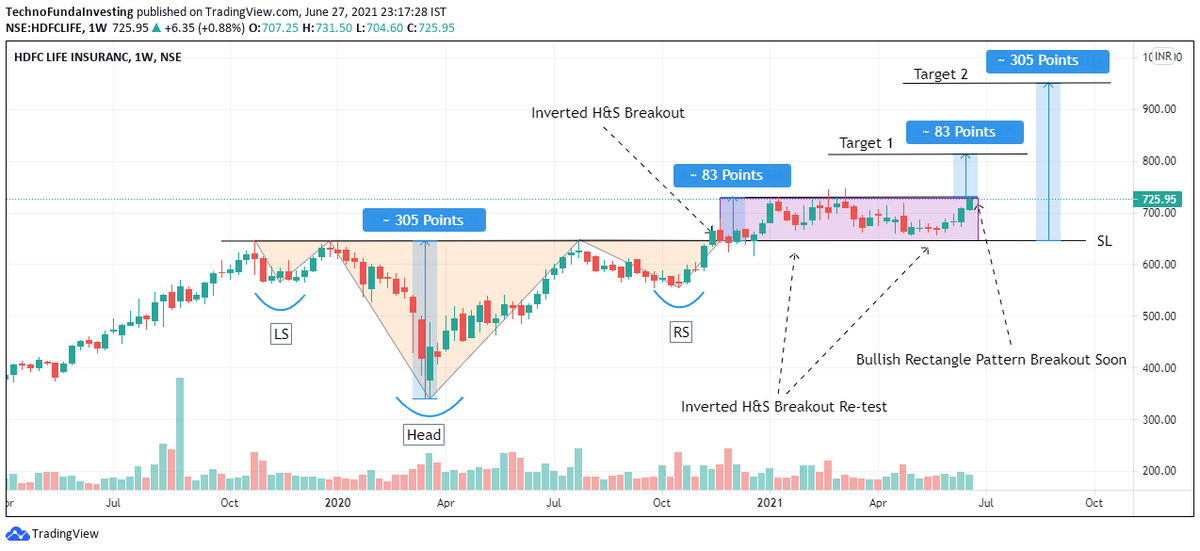
Theory says that trends exist despite any noise in market. That is, during upward trend, a temporary trend reversal is possible but market continues to move up and trend continues until clear reversal happens.
Even though it is more than a hundred years old, the Dow Theory is still relevant in the current trading market.
Best Book 📗 to learn #DowTheory - The Dow Theory by Robert Rhea
https://t.co/ZMYfUewzov
https://t.co/9p40dRMSm2
More from Techno Funda Investing





You May Also Like








1/“What would need to be true for you to….X”
Why is this the most powerful question you can ask when attempting to reach an agreement with another human being or organization?
A thread, co-written by @deanmbrody:
2/ First, “X” could be lots of things. Examples: What would need to be true for you to
- “Feel it's in our best interest for me to be CMO"
- “Feel that we’re in a good place as a company”
- “Feel that we’re on the same page”
- “Feel that we both got what we wanted from this deal
3/ Normally, we aren’t that direct. Example from startup/VC land:
Founders leave VC meetings thinking that every VC will invest, but they rarely do.
Worse over, the founders don’t know what they need to do in order to be fundable.
4/ So why should you ask the magic Q?
To get clarity.
You want to know where you stand, and what it takes to get what you want in a way that also gets them what they want.
It also holds them (mentally) accountable once the thing they need becomes true.
5/ Staying in the context of soliciting investors, the question is “what would need to be true for you to want to invest (or partner with us on this journey, etc)?”
Multiple responses to this question are likely to deliver a positive result.
Why is this the most powerful question you can ask when attempting to reach an agreement with another human being or organization?
A thread, co-written by @deanmbrody:
Next level tactic when closing a sale, candidate, or investment:
— Erik Torenberg (@eriktorenberg) February 27, 2018
Ask: \u201cWhat needs to be true for you to be all in?\u201d
You'll usually get an explicit answer that you might not get otherwise. It also holds them accountable once the thing they need becomes true.
2/ First, “X” could be lots of things. Examples: What would need to be true for you to
- “Feel it's in our best interest for me to be CMO"
- “Feel that we’re in a good place as a company”
- “Feel that we’re on the same page”
- “Feel that we both got what we wanted from this deal
3/ Normally, we aren’t that direct. Example from startup/VC land:
Founders leave VC meetings thinking that every VC will invest, but they rarely do.
Worse over, the founders don’t know what they need to do in order to be fundable.
4/ So why should you ask the magic Q?
To get clarity.
You want to know where you stand, and what it takes to get what you want in a way that also gets them what they want.
It also holds them (mentally) accountable once the thing they need becomes true.
5/ Staying in the context of soliciting investors, the question is “what would need to be true for you to want to invest (or partner with us on this journey, etc)?”
Multiple responses to this question are likely to deliver a positive result.
