
This is a thread I have been wanting to write, but it needed to come from a place of logic and truth and not just words. It is yet another one of my Christianity threads. However, this one will really focus on politicians that use Christianity to attain power.
But what I want to highlight is the evil that comes from those who only use a religion for power. And it really highlights two things.
1. Evil using religion
2. The literal meaning of the Bible.
Now theologians and Biblical scholars
I’m reminded here of the question that parents so often pose to their children to steel them against peer pressure: “Would you jump off a cliff if so-and-so told you to?” Perhaps a similar question could be posed to
For Jesus, faith is about figuring out how to live not with testable certainty, but with trust.
Today’s gospel shows us that the devil knows how to use Scripture verses in combat, so we need something more than Bible
More from Mr. Spock 🖖 (Commentary)
More from Culture





Best books I read in 2020
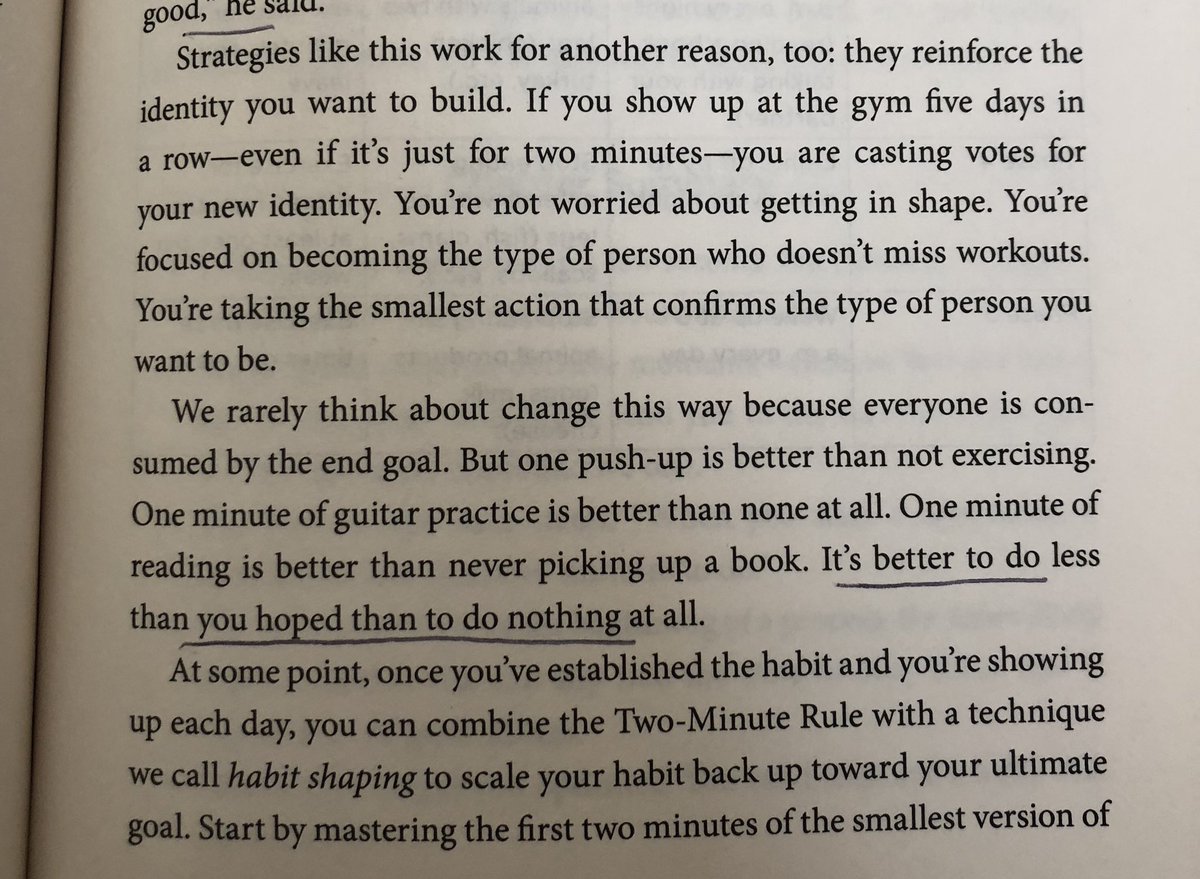
1. Atomic Habits by @JamesClear
“If you show up at the gym 5 days in a row—even for 2 minutes—you're casting votes for your new identity. You’re not worried about getting in shape. Youre focused on becoming the type of person who doesn’t miss workouts”
Good Reasons for Bad Feelings
https://t.co/KZDqte19nG
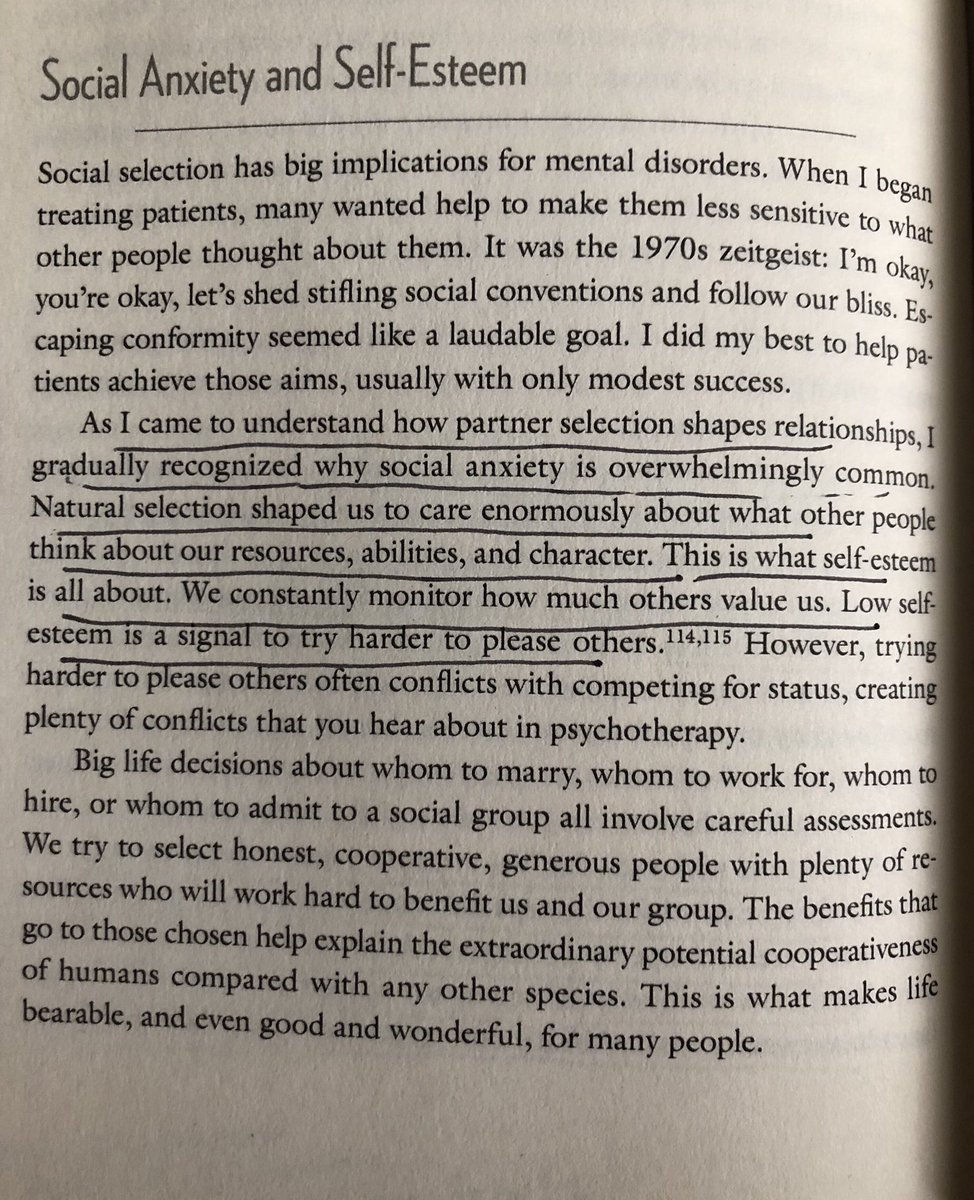
2. “social anxiety is overwhelmingly common. Natural selection shaped us to care enormously what other people think..We constantly monitor how much others value us..Low self-esteem is a signal to try harder to please others”
The True Believer by Eric Hoffer
https://t.co/uZT4kdhzvZ
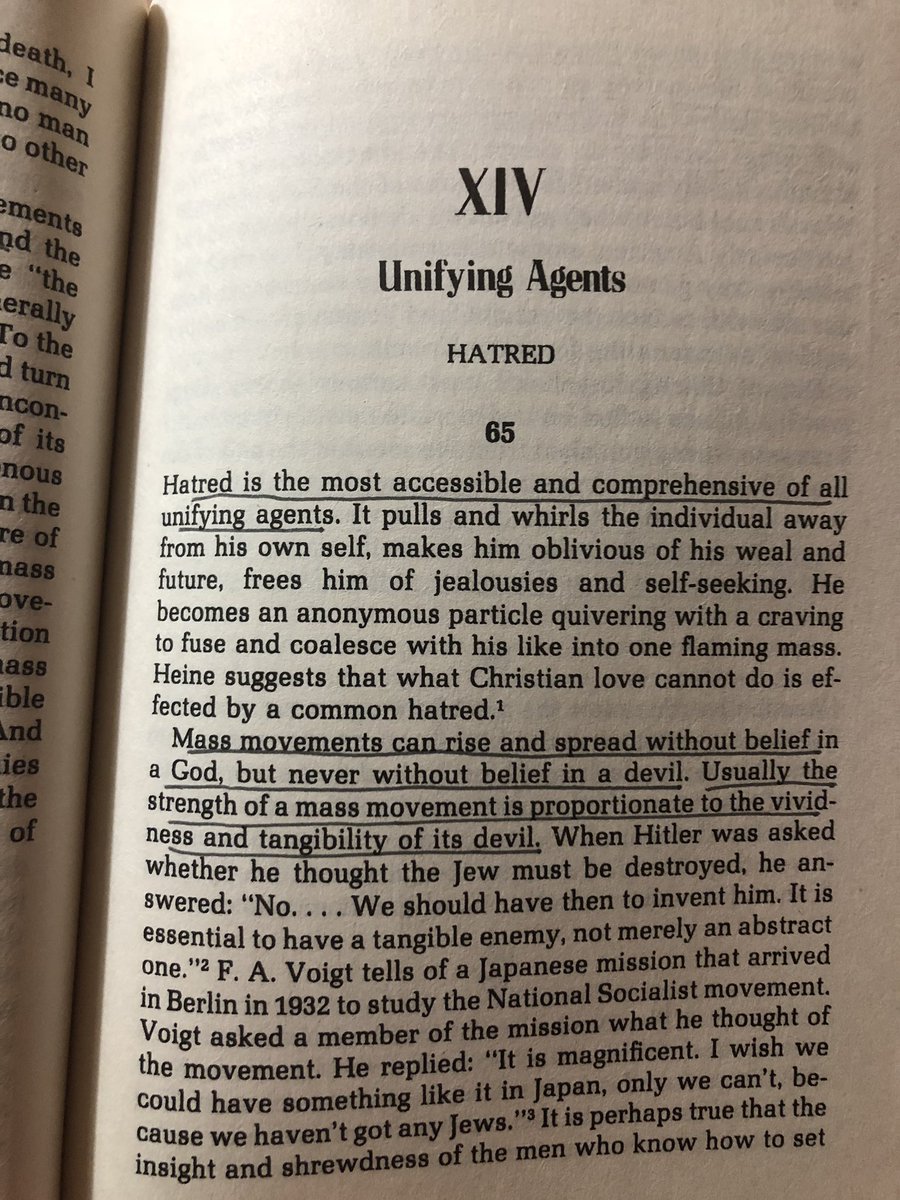
“Hatred is the most accessible and comprehensive of all unifying agents...Mass movements can rise and spread without belief in a God, but never without a believe in a devil.”
Grandstanding
https://t.co/4Of58AZUj8
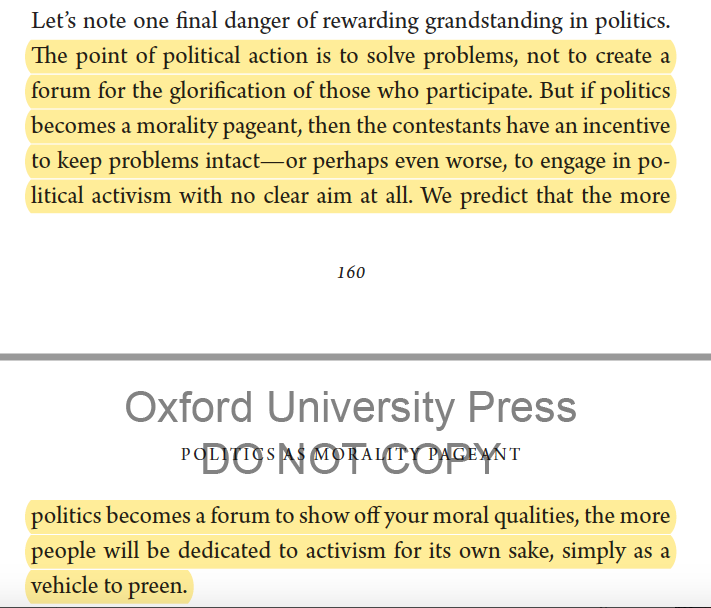
"if politics becomes a morality pageant, then the contestants have an incentive to keep problems intact...politics becomes a forum to show off moral qualities...people will be dedicated to activism for its own sake, as a vehicle to preen"
Warriors and Worriers by Joyce Benenson
https://t.co/yLC4eGHEd4
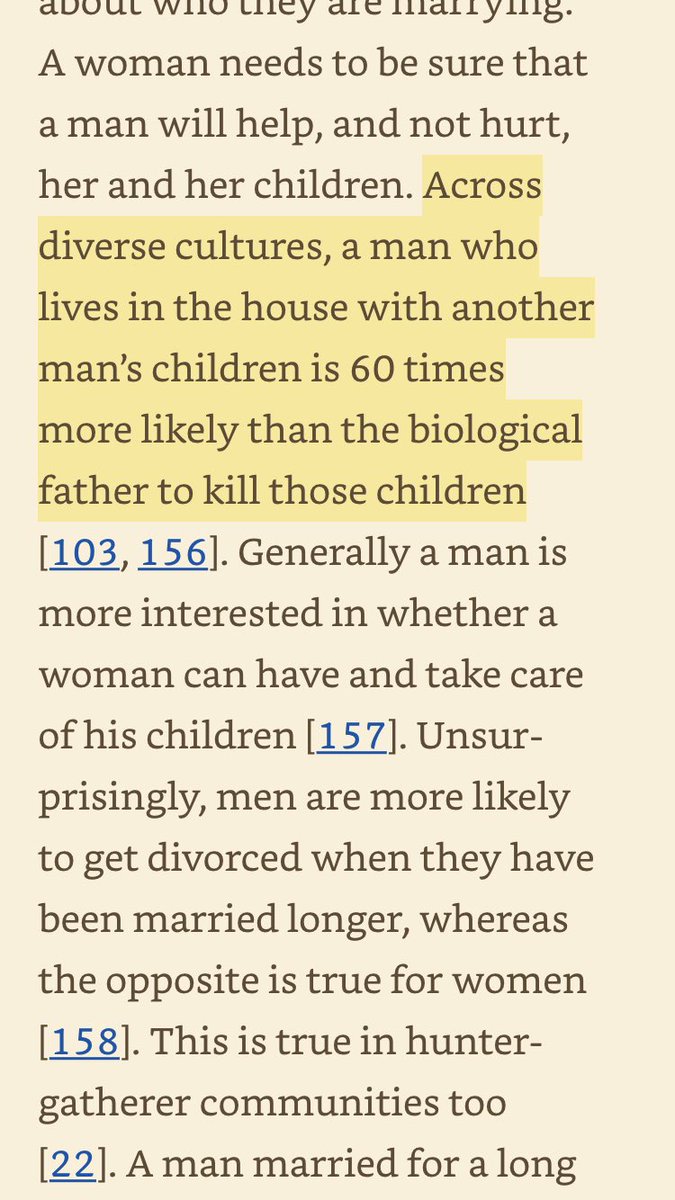
“Across diverse cultures, a man who lives in the house with another man’s children is about 60 times more likely than the biological father to kill those children.”
1. Atomic Habits by @JamesClear
“If you show up at the gym 5 days in a row—even for 2 minutes—you're casting votes for your new identity. You’re not worried about getting in shape. Youre focused on becoming the type of person who doesn’t miss workouts”
Good Reasons for Bad Feelings
https://t.co/KZDqte19nG
2. “social anxiety is overwhelmingly common. Natural selection shaped us to care enormously what other people think..We constantly monitor how much others value us..Low self-esteem is a signal to try harder to please others”
The True Believer by Eric Hoffer
https://t.co/uZT4kdhzvZ
“Hatred is the most accessible and comprehensive of all unifying agents...Mass movements can rise and spread without belief in a God, but never without a believe in a devil.”
Grandstanding
https://t.co/4Of58AZUj8
"if politics becomes a morality pageant, then the contestants have an incentive to keep problems intact...politics becomes a forum to show off moral qualities...people will be dedicated to activism for its own sake, as a vehicle to preen"
Warriors and Worriers by Joyce Benenson
https://t.co/yLC4eGHEd4
“Across diverse cultures, a man who lives in the house with another man’s children is about 60 times more likely than the biological father to kill those children.”



You May Also Like


Great article from @AsheSchow. I lived thru the 'Satanic Panic' of the 1980's/early 1990's asking myself "Has eveyrbody lost their GODDAMN MINDS?!"
The 3 big things that made the 1980's/early 1990's surreal for me.
1) Satanic Panic - satanism in the day cares ahhhh!
2) "Repressed memory" syndrome
3) Facilitated Communication [FC]
All 3 led to massive abuse.
"Therapists" -and I use the term to describe these quacks loosely - would hypnotize people & convince they they were 'reliving' past memories of Mom & Dad killing babies in Satanic rituals in the basement while they were growing up.
Other 'therapists' would badger kids until they invented stories about watching alligators eat babies dropped into a lake from a hot air balloon. Kids would deny anything happened for hours until the therapist 'broke through' and 'found' the 'truth'.
FC was a movement that started with the claim severely handicapped individuals were able to 'type' legible sentences & communicate if a 'helper' guided their hands over a keyboard.
For three years I have wanted to write an article on moral panics. I have collected anecdotes and similarities between today\u2019s moral panic and those of the past - particularly the Satanic Panic of the 80s.
— Ashe Schow (@AsheSchow) September 29, 2018
This is my finished product: https://t.co/otcM1uuUDk
The 3 big things that made the 1980's/early 1990's surreal for me.
1) Satanic Panic - satanism in the day cares ahhhh!
2) "Repressed memory" syndrome
3) Facilitated Communication [FC]
All 3 led to massive abuse.
"Therapists" -and I use the term to describe these quacks loosely - would hypnotize people & convince they they were 'reliving' past memories of Mom & Dad killing babies in Satanic rituals in the basement while they were growing up.
Other 'therapists' would badger kids until they invented stories about watching alligators eat babies dropped into a lake from a hot air balloon. Kids would deny anything happened for hours until the therapist 'broke through' and 'found' the 'truth'.
FC was a movement that started with the claim severely handicapped individuals were able to 'type' legible sentences & communicate if a 'helper' guided their hands over a keyboard.