1/ Who were the earliest women converts to Islam and what was their experience of conversion?
In our new sourcebook, Sean Anthony (@shahanSean) and Keren Abbou Hershkovitz profile several women who were alive at the Prophet's time #ConversionToIslam
https://t.co/00XpFCjXtP
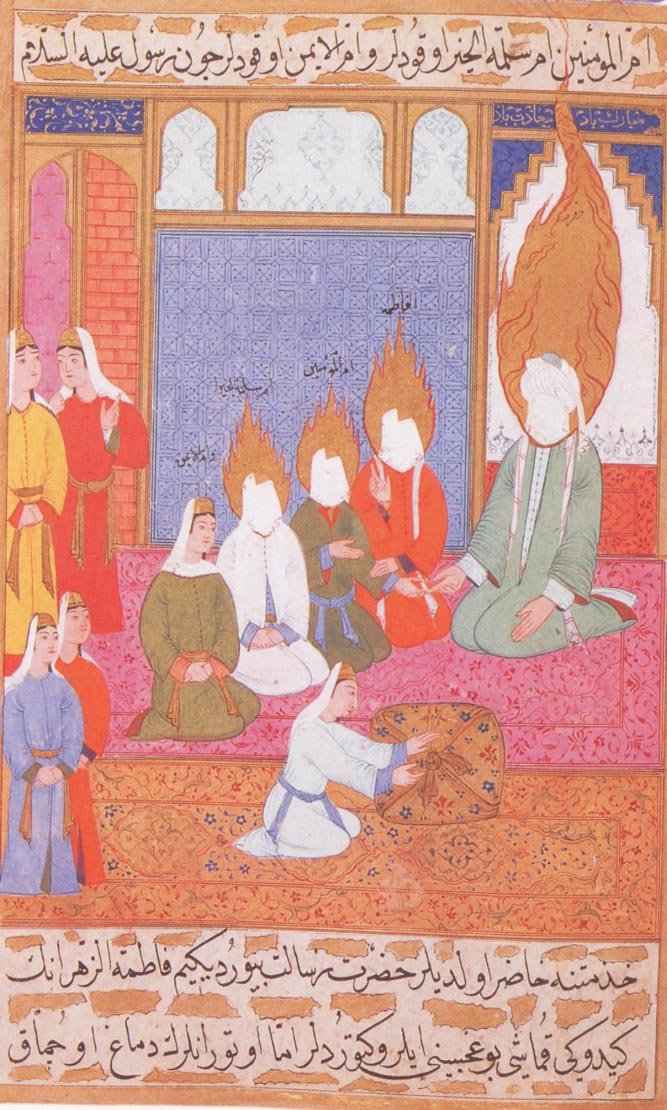
Khadīja then consulted with her cousin Waraqa, a Christian, who verified that Muḥammad's experience was true.
In other words, for Arwā, conversion was about building strategic social ties; family loyalty was everything.
The Editors (Nimrod Hurvitz, Christian Sahner, Uriel Simonsohn @culXl8fYioHzt8O, and Luke Yarbrough) @ucpress
More from Culture







I just finished Eric Adler's The Battle of the Classics, and wanted to say something about Joel Christiansen's review linked below. I am not sure what motivates the review (I speculate a bit below), but it gives a very misleading impression of the book. 1/x
The meat of the criticism is that the history Adler gives is insufficiently critical. Adler describes a few figures who had a great influence on how the modern US university was formed. It's certainly critical: it focuses on the social Darwinism of these figures. 2/x
Other insinuations and suggestions in the review seem wildly off the mark, distorted, or inappropriate-- for example, that the book is clickbaity (it is scholarly) or conservative (hardly) or connected to the events at the Capitol (give me a break). 3/x
The core question: in what sense is classics inherently racist? Classics is old. On Adler's account, it begins in ancient Rome and is revived in the Renaissance. Slavery (Christiansen's primary concern) is also very old. Let's say classics is an education for slaveowners. 4/x
It's worth remembering that literacy itself is elite throughout most of this history. Literacy is, then, also the education of slaveowners. We can honor oral and musical traditions without denying that literacy is, generally, good. 5/x
As someone\u2019s who\u2019s read the book, this review strikes me as tremendously unfair. It mostly faults Adler for not writing the book the reviewer wishes he had! https://t.co/pqpt5Ziivj
— Teresa M. Bejan (@tmbejan) January 12, 2021
The meat of the criticism is that the history Adler gives is insufficiently critical. Adler describes a few figures who had a great influence on how the modern US university was formed. It's certainly critical: it focuses on the social Darwinism of these figures. 2/x
Other insinuations and suggestions in the review seem wildly off the mark, distorted, or inappropriate-- for example, that the book is clickbaity (it is scholarly) or conservative (hardly) or connected to the events at the Capitol (give me a break). 3/x
The core question: in what sense is classics inherently racist? Classics is old. On Adler's account, it begins in ancient Rome and is revived in the Renaissance. Slavery (Christiansen's primary concern) is also very old. Let's say classics is an education for slaveowners. 4/x
It's worth remembering that literacy itself is elite throughout most of this history. Literacy is, then, also the education of slaveowners. We can honor oral and musical traditions without denying that literacy is, generally, good. 5/x



I woke up this morning to hundreds of notifications from this tweet, which is literally just a quote from a book I am giving away tonight.
The level of vitriol in the replies is a new experience for me on here. I love Twitter, but this is the dark side of it.
Thread...
First, this quote is from a book which examines castes and slavery throughout history. Obviously Wilkerson isn’t claiming slavery was invented by America.
She says, “Slavery IN THIS LAND...” wasn’t happenstance. American chattel slavery was purposefully crafted and carried out.
That’s not a “hot take” or a fringe opinion. It’s a fact with which any reputable historian or scholar agrees.
Second, this is a perfect example of how nefarious folks operate here on Twitter...
J*mes Linds*y, P*ter Bogh*ssian and others like them purposefully misrepresent something (or just outright ignore what it actually says as they do in this case) and then feed it to their large, angry following so they will attack.
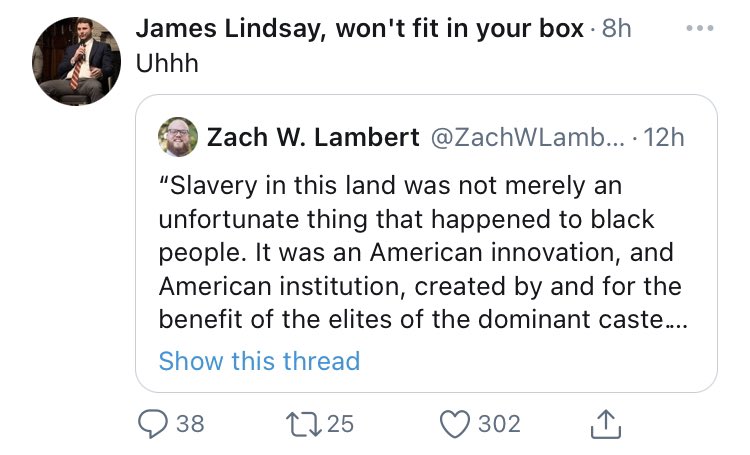
The attacks are rarely about ideas or beliefs, because purposefully misrepresenting someone’s argument prevents that from happening. Instead, the attacks are directed at the person.
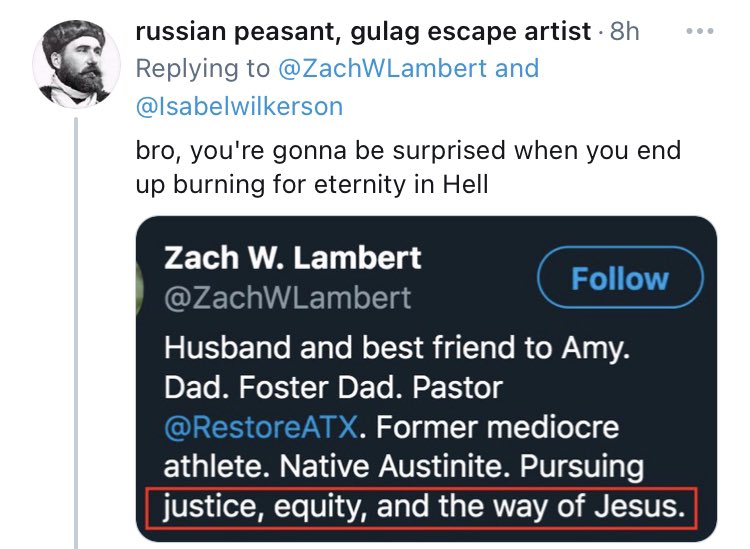
The level of vitriol in the replies is a new experience for me on here. I love Twitter, but this is the dark side of it.
Thread...
\u201cSlavery in this land was not merely an unfortunate thing that happened to black people. It was an American innovation, and American institution, created by and for the benefit of the elites of the dominant caste.\u201d @Isabelwilkerson
— Zach W. Lambert (@ZachWLambert) February 11, 2021
First, this quote is from a book which examines castes and slavery throughout history. Obviously Wilkerson isn’t claiming slavery was invented by America.
She says, “Slavery IN THIS LAND...” wasn’t happenstance. American chattel slavery was purposefully crafted and carried out.
That’s not a “hot take” or a fringe opinion. It’s a fact with which any reputable historian or scholar agrees.
Second, this is a perfect example of how nefarious folks operate here on Twitter...
J*mes Linds*y, P*ter Bogh*ssian and others like them purposefully misrepresent something (or just outright ignore what it actually says as they do in this case) and then feed it to their large, angry following so they will attack.
The attacks are rarely about ideas or beliefs, because purposefully misrepresenting someone’s argument prevents that from happening. Instead, the attacks are directed at the person.