
“When I talk about mediocrity, I am not talking about something bland and harmless. [...] I’m talking about a dedication to ignorance and hatred that leaves people dead, for no other reason
I've been publicly addressing white mediocrity since my 2011 blog post "The American Way: Mediocrity, When White, Looks Like Merit," but I learned A LOT from @IjeomaOluo's MEDIOCRE. As Brittney Cooper's @nytimes review said, it really is an invitation for society to do better.

“When I talk about mediocrity, I am not talking about something bland and harmless. [...] I’m talking about a dedication to ignorance and hatred that leaves people dead, for no other reason
“Nothing says ‘American’ like a boy making a woman struggle so that he can seem independent” (35).
More from Culture






You May Also Like


Margatha Natarajar murthi - Uthirakosamangai temple near Ramanathapuram,TN
#ArudraDarisanam
Unique Natarajar made of emerlad is abt 6 feet tall.
It is always covered with sandal paste.Only on Thriuvadhirai Star in month Margazhi-Nataraja can be worshipped without sandal paste.
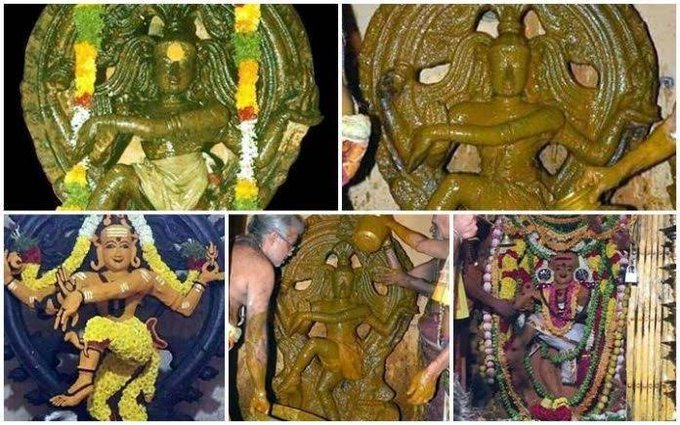
After removing the sandal paste,day long rituals & various abhishekam will be https://t.co/e1Ye8DrNWb day Maragatha Nataraja sannandhi will be closed after anointing the murthi with fresh sandal paste.Maragatha Natarajar is covered with sandal paste throughout the year
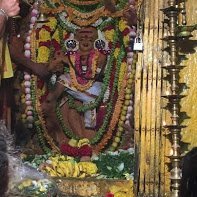
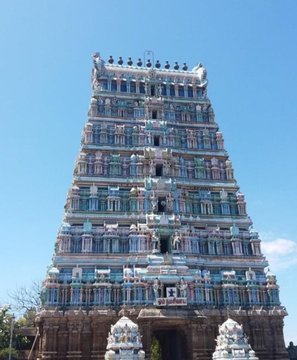
as Emerald has scientific property of its molecules getting disturbed when exposed to light/water/sound.This is an ancient Shiva temple considered to be 3000 years old -believed to be where Bhagwan Shiva gave Veda gyaana to Parvati Devi.This temple has some stunning sculptures.
#ArudraDarisanam
Unique Natarajar made of emerlad is abt 6 feet tall.
It is always covered with sandal paste.Only on Thriuvadhirai Star in month Margazhi-Nataraja can be worshipped without sandal paste.
After removing the sandal paste,day long rituals & various abhishekam will be https://t.co/e1Ye8DrNWb day Maragatha Nataraja sannandhi will be closed after anointing the murthi with fresh sandal paste.Maragatha Natarajar is covered with sandal paste throughout the year
as Emerald has scientific property of its molecules getting disturbed when exposed to light/water/sound.This is an ancient Shiva temple considered to be 3000 years old -believed to be where Bhagwan Shiva gave Veda gyaana to Parvati Devi.This temple has some stunning sculptures.


