
@jimmy_dore has made his ultimate intention clear. Check out this video from an interview he did with Niko House yesterday. This should be extremely concerning from anyone serious about the progressive movement. It’s clear that Dore is trying to tear down the squad. (1/11)
Jimmy Dore: What’s the point? As Norman Solomon said after the entire squad voted for the extension of the Patriot Act to extend Donald Trump's fucking spying powers. As they were calling him a Russian puppet, (5/11)
And I'm just revealing it. I set up the framework for them to either prove that it was worth voting for them or it wasn't. (9/11)
More from Culture

Best books I read in 2020
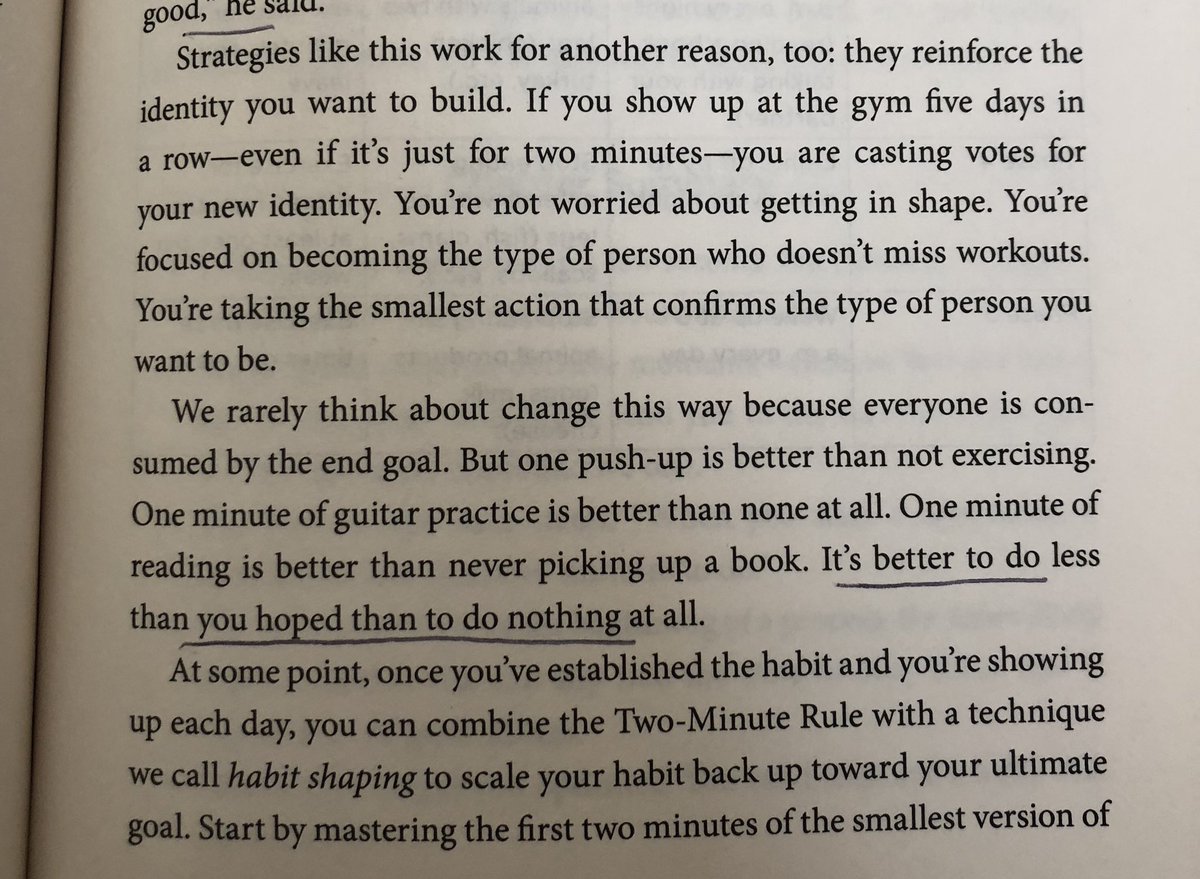
1. Atomic Habits by @JamesClear
“If you show up at the gym 5 days in a row—even for 2 minutes—you're casting votes for your new identity. You’re not worried about getting in shape. Youre focused on becoming the type of person who doesn’t miss workouts”
Good Reasons for Bad Feelings
https://t.co/KZDqte19nG
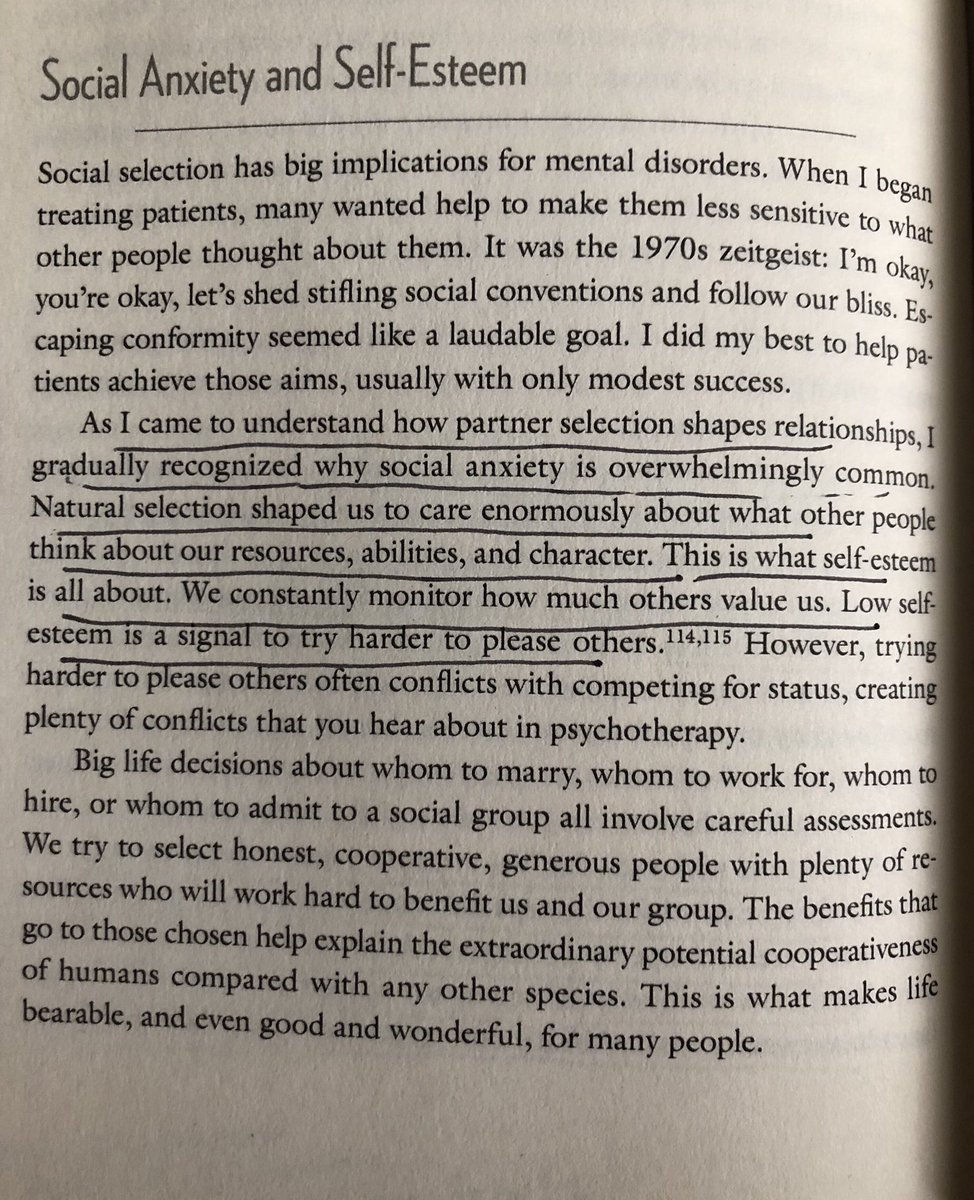
2. “social anxiety is overwhelmingly common. Natural selection shaped us to care enormously what other people think..We constantly monitor how much others value us..Low self-esteem is a signal to try harder to please others”
The True Believer by Eric Hoffer
https://t.co/uZT4kdhzvZ
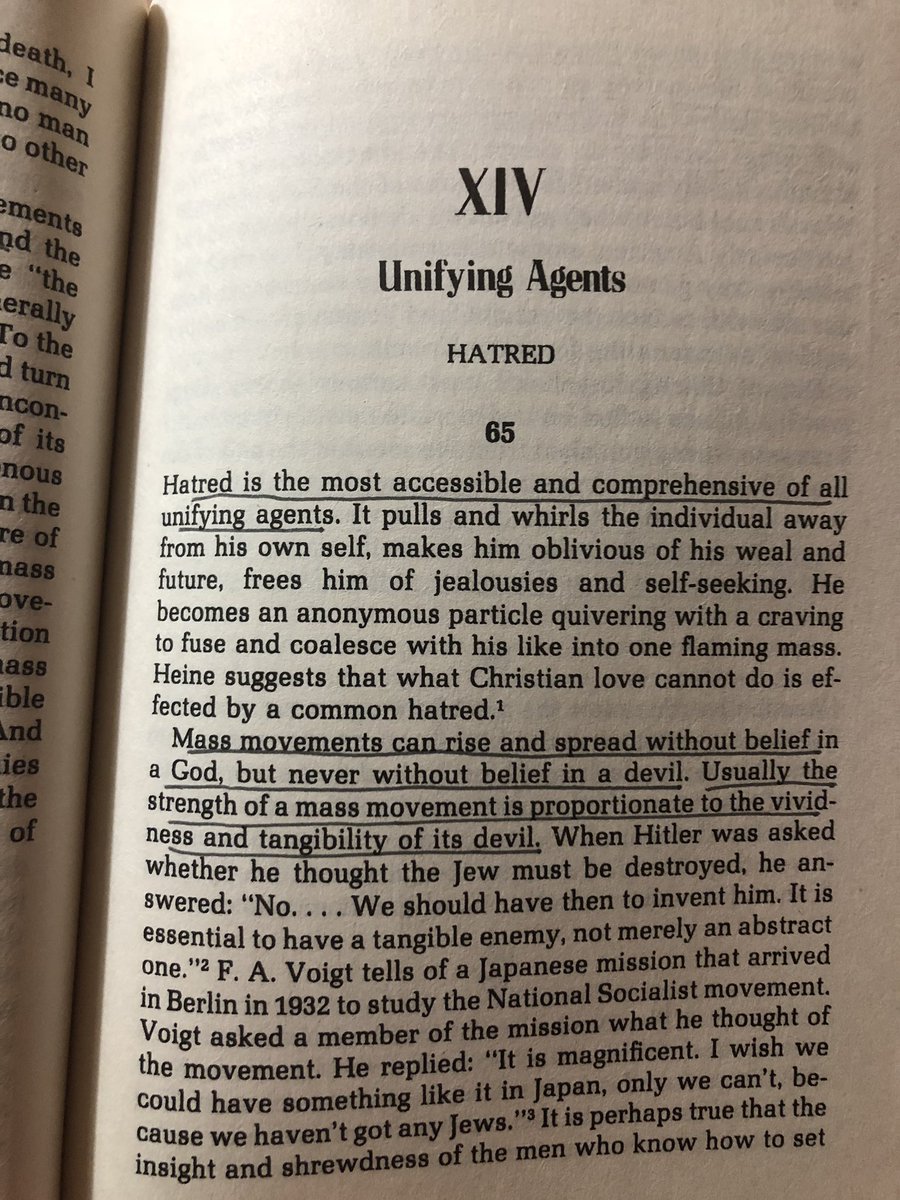
“Hatred is the most accessible and comprehensive of all unifying agents...Mass movements can rise and spread without belief in a God, but never without a believe in a devil.”
Grandstanding
https://t.co/4Of58AZUj8
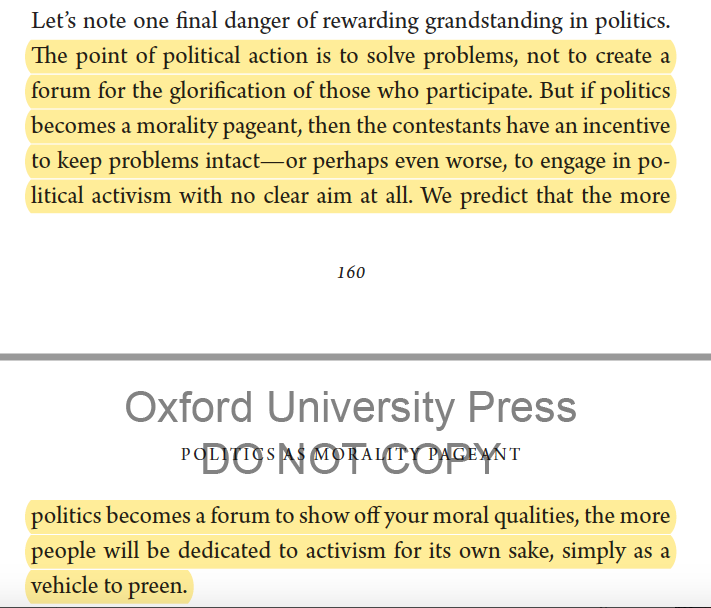
"if politics becomes a morality pageant, then the contestants have an incentive to keep problems intact...politics becomes a forum to show off moral qualities...people will be dedicated to activism for its own sake, as a vehicle to preen"
Warriors and Worriers by Joyce Benenson
https://t.co/yLC4eGHEd4
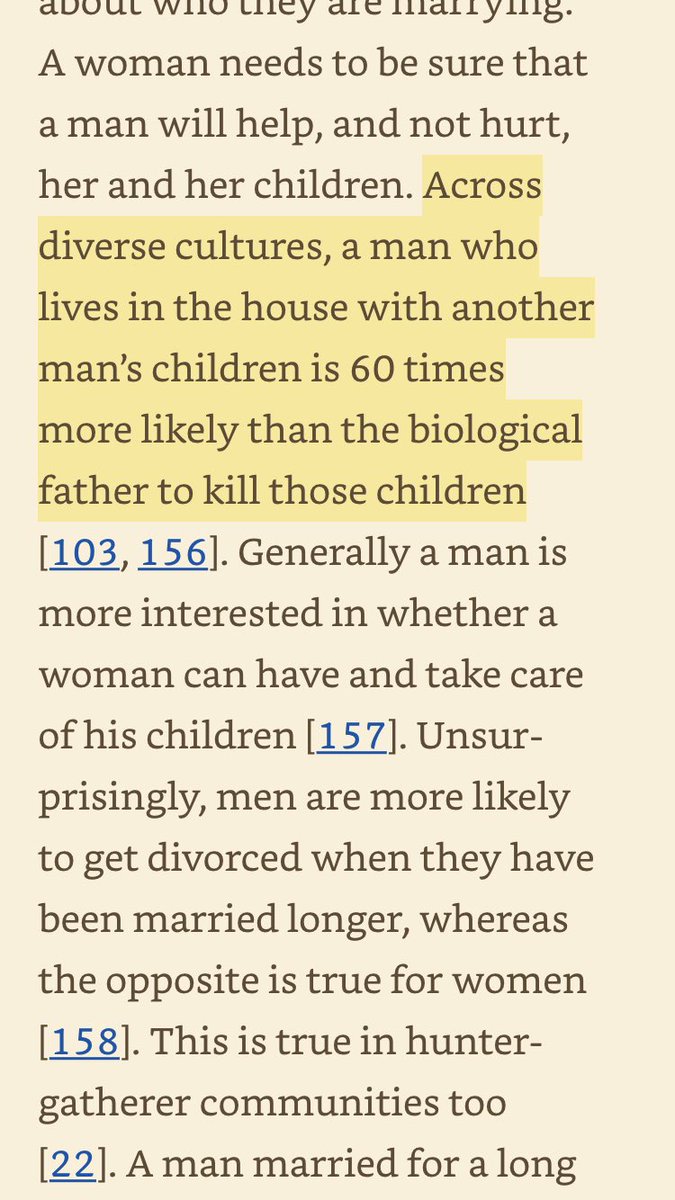
“Across diverse cultures, a man who lives in the house with another man’s children is about 60 times more likely than the biological father to kill those children.”
1. Atomic Habits by @JamesClear
“If you show up at the gym 5 days in a row—even for 2 minutes—you're casting votes for your new identity. You’re not worried about getting in shape. Youre focused on becoming the type of person who doesn’t miss workouts”
Good Reasons for Bad Feelings
https://t.co/KZDqte19nG
2. “social anxiety is overwhelmingly common. Natural selection shaped us to care enormously what other people think..We constantly monitor how much others value us..Low self-esteem is a signal to try harder to please others”
The True Believer by Eric Hoffer
https://t.co/uZT4kdhzvZ
“Hatred is the most accessible and comprehensive of all unifying agents...Mass movements can rise and spread without belief in a God, but never without a believe in a devil.”
Grandstanding
https://t.co/4Of58AZUj8
"if politics becomes a morality pageant, then the contestants have an incentive to keep problems intact...politics becomes a forum to show off moral qualities...people will be dedicated to activism for its own sake, as a vehicle to preen"
Warriors and Worriers by Joyce Benenson
https://t.co/yLC4eGHEd4
“Across diverse cultures, a man who lives in the house with another man’s children is about 60 times more likely than the biological father to kill those children.”

In a recent article published in the Stern, there is now a criminal complaint filed against Michael Inacker, the then CEO of the PR firm WMP for what includes allegations of the knock out payments from the emirate of Qatar to hide a dossier for their role in financing Hezbollah
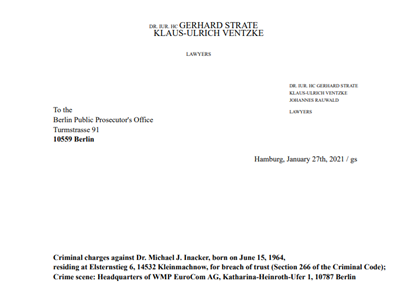
That allegedly 750,000 euros, which would have been divided between Jason and Michael.
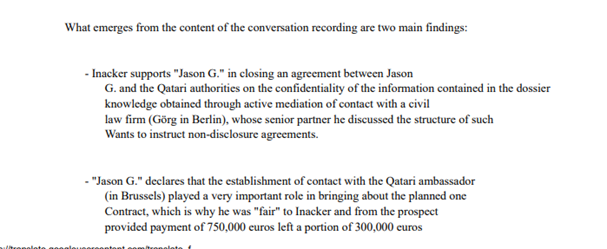
In return, "Jason" was supposed to keep to himself the information he had researched in Qatar, that a high-ranking person in the emirate of Qatar was financially supporting Hezbollah.
https://t.co/TdaAECu35a
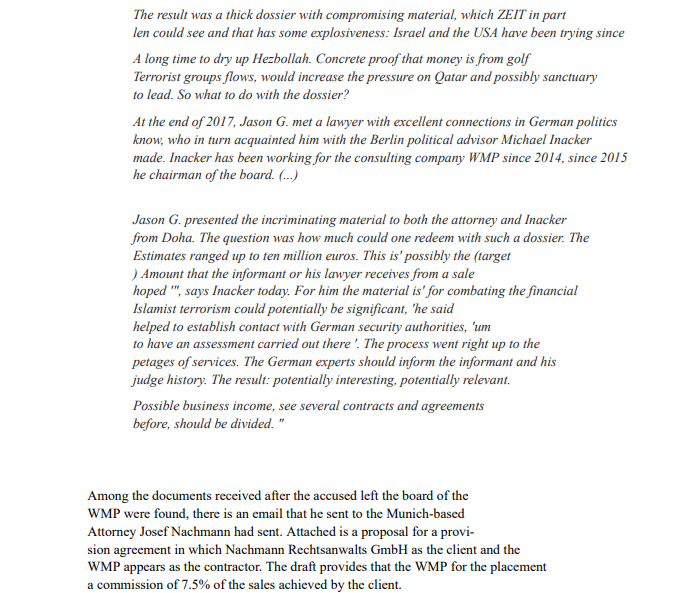
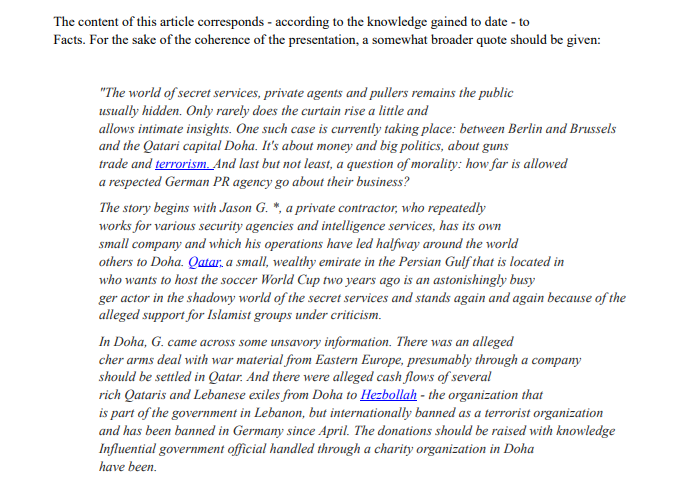
There is an interesting point in the article, WMP (Inacker) still had PR contracts with both Qatar and Saudi and “Jason” had some information about arms deliveries organized by people from Qatar with suppliers in Belarus, Serbia, Macedonia, and Yemen.
That allegedly 750,000 euros, which would have been divided between Jason and Michael.
In return, "Jason" was supposed to keep to himself the information he had researched in Qatar, that a high-ranking person in the emirate of Qatar was financially supporting Hezbollah.
https://t.co/TdaAECu35a
There is an interesting point in the article, WMP (Inacker) still had PR contracts with both Qatar and Saudi and “Jason” had some information about arms deliveries organized by people from Qatar with suppliers in Belarus, Serbia, Macedonia, and Yemen.





You May Also Like




The entire discussion around Facebook’s disclosures of what happened in 2016 is very frustrating. No exec stopped any investigations, but there were a lot of heated discussions about what to publish and when.
In the spring and summer of 2016, as reported by the Times, activity we traced to GRU was reported to the FBI. This was the standard model of interaction companies used for nation-state attacks against likely US targeted.
In the Spring of 2017, after a deep dive into the Fake News phenomena, the security team wanted to publish an update that covered what we had learned. At this point, we didn’t have any advertising content or the big IRA cluster, but we did know about the GRU model.
This report when through dozens of edits as different equities were represented. I did not have any meetings with Sheryl on the paper, but I can’t speak to whether she was in the loop with my higher-ups.
In the end, the difficult question of attribution was settled by us pointing to the DNI report instead of saying Russia or GRU directly. In my pre-briefs with members of Congress, I made it clear that we believed this action was GRU.
The story doesn\u2019t say you were told not to... it says you did so without approval and they tried to obfuscate what you found. Is that true?
— Sarah Frier (@sarahfrier) November 15, 2018
In the spring and summer of 2016, as reported by the Times, activity we traced to GRU was reported to the FBI. This was the standard model of interaction companies used for nation-state attacks against likely US targeted.
In the Spring of 2017, after a deep dive into the Fake News phenomena, the security team wanted to publish an update that covered what we had learned. At this point, we didn’t have any advertising content or the big IRA cluster, but we did know about the GRU model.
This report when through dozens of edits as different equities were represented. I did not have any meetings with Sheryl on the paper, but I can’t speak to whether she was in the loop with my higher-ups.
In the end, the difficult question of attribution was settled by us pointing to the DNI report instead of saying Russia or GRU directly. In my pre-briefs with members of Congress, I made it clear that we believed this action was GRU.

1/12
RT-PCR corona (test) scam
Symptomatic people are tested for one and only one respiratory virus. This means that other acute respiratory infections are reclassified as
2/12
It is tested exquisitely with a hypersensitive non-specific RT-PCR test / Ct >35 (>30 is nonsense, >35 is madness), without considering Ct and clinical context. This means that more acute respiratory infections are reclassified as
3/12
The Drosten RT-PCR test is fabricated in a way that each country and laboratory perform it differently at too high Ct and that the high rate of false positives increases massively due to cross-reaction with other (corona) viruses in the "flu
4/12
Even asymptomatic, previously called healthy, people are tested (en masse) in this way, although there is no epidemiologically relevant asymptomatic transmission. This means that even healthy people are declared as COVID
5/12
Deaths within 28 days after a positive RT-PCR test from whatever cause are designated as deaths WITH COVID. This means that other causes of death are reclassified as
RT-PCR corona (test) scam
Symptomatic people are tested for one and only one respiratory virus. This means that other acute respiratory infections are reclassified as
4/10
— Dr. Thomas Binder, MD (@Thomas_Binder) October 22, 2020
...indication, first of all that testing for a (single) respiratory virus is done outside of surveillance systems or need for specific therapy, but even so the lack of consideration of Ct, symptoms and clinical findings when interpreting its result. https://t.co/gHH6kwRdZG
2/12
It is tested exquisitely with a hypersensitive non-specific RT-PCR test / Ct >35 (>30 is nonsense, >35 is madness), without considering Ct and clinical context. This means that more acute respiratory infections are reclassified as
6/10
— Dr. Thomas Binder, MD (@Thomas_Binder) October 22, 2020
The neither validated nor standardised hypersensitive RT-PCR test / Ct 35-45 for SARS-CoV-2 is abused to mislabel (also) other diseases, especially influenza, as COVID-19.https://t.co/AkFIfTCTkS
3/12
The Drosten RT-PCR test is fabricated in a way that each country and laboratory perform it differently at too high Ct and that the high rate of false positives increases massively due to cross-reaction with other (corona) viruses in the "flu
External peer review of the RTPCR test to detect SARS-CoV-2 reveals 10 major scientific flaws at the molecular and methodological level: consequences for false positive results.https://t.co/mbNY8bdw1p pic.twitter.com/OQBD4grMth
— Dr. Thomas Binder, MD (@Thomas_Binder) November 29, 2020
4/12
Even asymptomatic, previously called healthy, people are tested (en masse) in this way, although there is no epidemiologically relevant asymptomatic transmission. This means that even healthy people are declared as COVID
Thread web\u2b06\ufe0f\u2b07\ufe0f
— Dr. Thomas Binder, MD (@Thomas_Binder) December 16, 2020
The fabrication of the "asymptomatic (super) spreader" is the coronation of the total nons(ci)ense in the belief system of #CoronasWitnesses.
Asymptomatic transmission 0.7%; 95% CI 0%-4.9% - could well be 0%!https://t.co/VeZTzxXfvT
5/12
Deaths within 28 days after a positive RT-PCR test from whatever cause are designated as deaths WITH COVID. This means that other causes of death are reclassified as
8/8
— Dr. Thomas Binder, MD (@Thomas_Binder) March 24, 2020
By the way, who the f*** created this obviously (almost) worldwide definition of #CoronaDeath?
This is not only medical malpractice, this is utterly insane!https://t.co/FFsTx4L2mw

