Bitfinex GC recently did a superb job of sidestepping that question on WBD: https://t.co/3mQzWmjEQ1
Some thoughts on this super inaccurate piece.
tl;dr: this is not a defence of Tether/ iFinex, who I would like nothing more than to see disappear into irrelevance. However, most of the conclusions here show zero understanding of crypto market
Bitfinex GC recently did a superb job of sidestepping that question on WBD: https://t.co/3mQzWmjEQ1
More from Crypto

1/ Bitcoin: a bold new world.
Satoshi published the white paper on 10/31/2008. Right at the moment of peak despair during the 2008 financial crisis. Trust had been lost in a world that ran on trust.
2/ But why October 31st? It certainly wasn’t because Satoshi was a fan of halloween, it must have had a deeper meaning. With all of his actions, he demonstrated a careful precision.
He had been working on Bitcoin for at least a year and a half before publishing the white paper.
3/ “I believe I've worked through all those little details over the last year and a half while coding it, and there were a lot of them. The functional details are not covered in the paper, but the sourcecode is coming soon” - Satoshi Nakamoto
4/ On August 18, 2008 Satoshi registers registers https://t.co/rMWwiEwtxT through https://t.co/Uj8lMr10kB.
Satoshi was ready and waiting to hit the send button throughout 2008. What was so special about October 31st?
5/ I believe that Satoshi published the Bitcoin white paper on 10/31 as a hat tip to the ancient Gaelic festival of “Samhain” which was also the date in which Martin Luther nailed his 95 Theses to a church door. Both represent an end of the old and the beginning of the new.
Satoshi published the white paper on 10/31/2008. Right at the moment of peak despair during the 2008 financial crisis. Trust had been lost in a world that ran on trust.
2/ But why October 31st? It certainly wasn’t because Satoshi was a fan of halloween, it must have had a deeper meaning. With all of his actions, he demonstrated a careful precision.
He had been working on Bitcoin for at least a year and a half before publishing the white paper.
3/ “I believe I've worked through all those little details over the last year and a half while coding it, and there were a lot of them. The functional details are not covered in the paper, but the sourcecode is coming soon” - Satoshi Nakamoto
4/ On August 18, 2008 Satoshi registers registers https://t.co/rMWwiEwtxT through https://t.co/Uj8lMr10kB.
Satoshi was ready and waiting to hit the send button throughout 2008. What was so special about October 31st?
5/ I believe that Satoshi published the Bitcoin white paper on 10/31 as a hat tip to the ancient Gaelic festival of “Samhain” which was also the date in which Martin Luther nailed his 95 Theses to a church door. Both represent an end of the old and the beginning of the new.

🚨Altcoin Trading Indicator🚨
How to use it. A THREAD.
Please Share.
To use it to buy Altcoins and make a high probability entry, the following conditions needs to be fulfilled.
For a long.
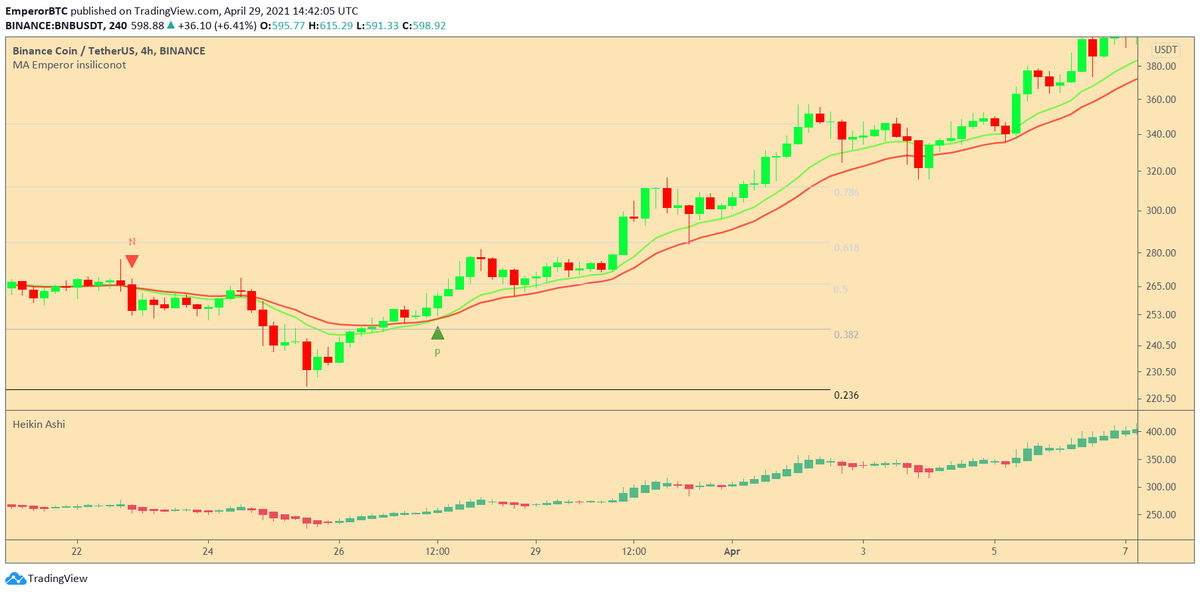
1. A green candle Closes above the cross.
2. Heikin Ashi candle turns green.
3. Price should be above 0.236 Fib from the swing high.
How to add the Indicator.
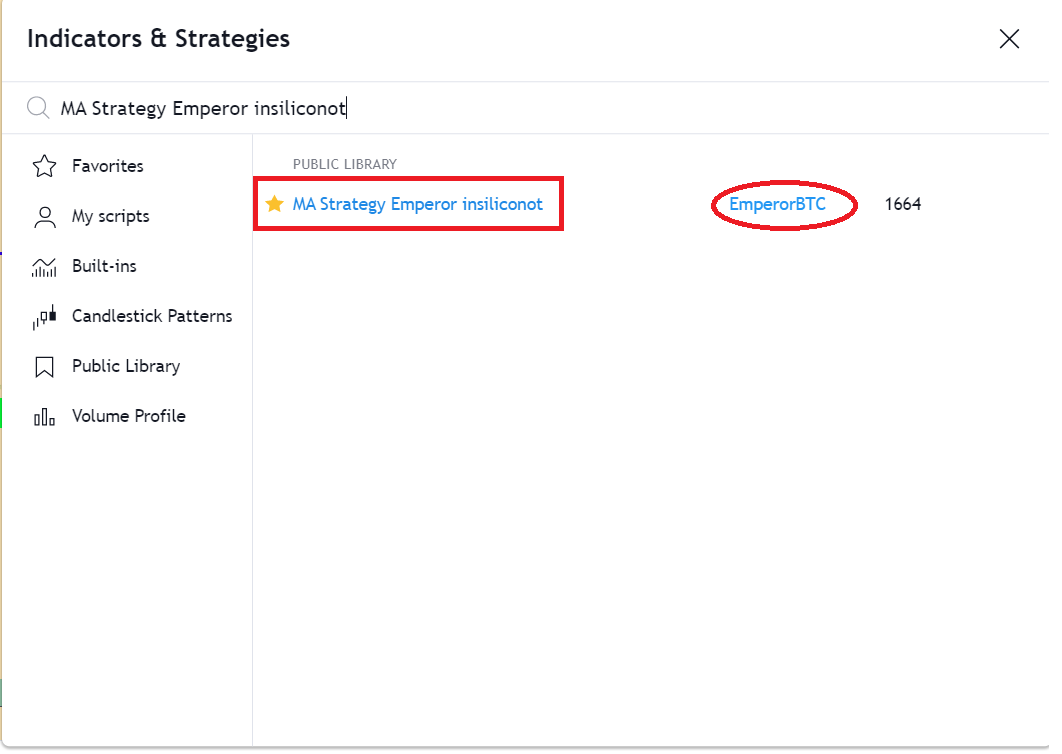
1. Click on the link and Add it to favorites and apply.
https://t.co/Kn90qgDjMi
2. Or Search it in the tab and then apply it.
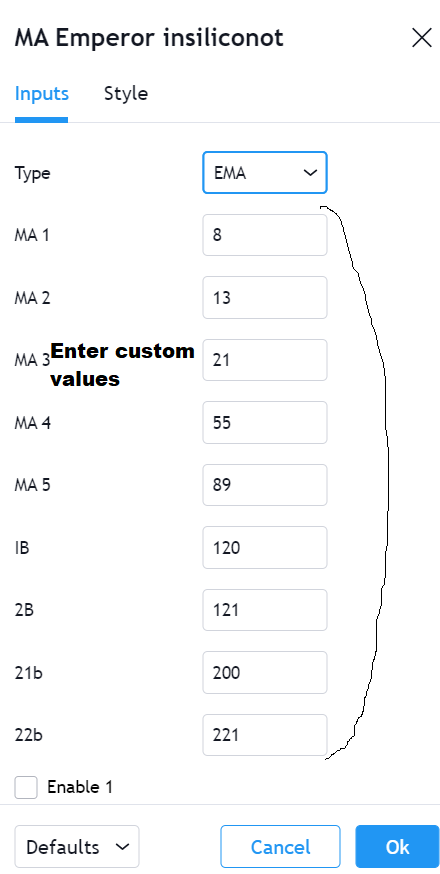
The indicator itself the most comprehensive Moving Average Indicator which provides 9 MAs and 13 Different times of MAs.
The base of the indicator was by @insiliconot.
To further enhance it, I have added a cross indicator on the cross which works the best historically on Alts.
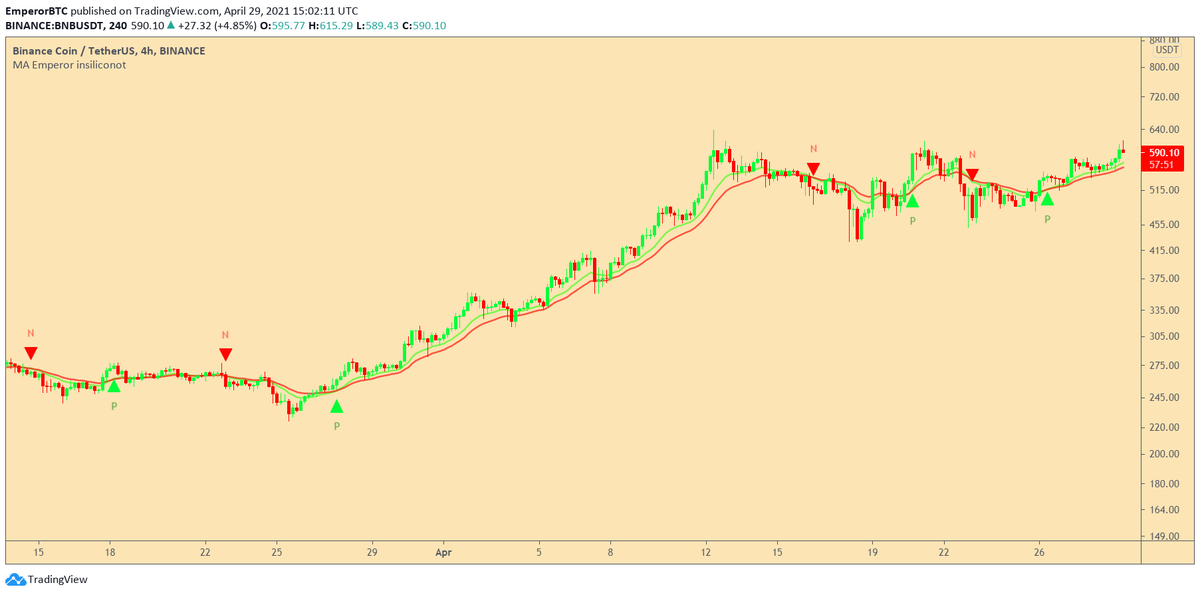
Condition 1- The cross.
Entry is made when a Cross occurs on the EMA 13/21.
The indicator automatically indicators the Cross with P for a positive cross or N for a negative cross.
This is the first condition for an Entry.
How to use it. A THREAD.
Please Share.
To use it to buy Altcoins and make a high probability entry, the following conditions needs to be fulfilled.
For a long.
1. A green candle Closes above the cross.
2. Heikin Ashi candle turns green.
3. Price should be above 0.236 Fib from the swing high.
How to add the Indicator.
1. Click on the link and Add it to favorites and apply.
https://t.co/Kn90qgDjMi
2. Or Search it in the tab and then apply it.
The indicator itself the most comprehensive Moving Average Indicator which provides 9 MAs and 13 Different times of MAs.
The base of the indicator was by @insiliconot.
To further enhance it, I have added a cross indicator on the cross which works the best historically on Alts.
Condition 1- The cross.
Entry is made when a Cross occurs on the EMA 13/21.
The indicator automatically indicators the Cross with P for a positive cross or N for a negative cross.
This is the first condition for an Entry.



1/ @MIT discussing the need for blockchain gateways to achieve interoperability across different blockchain networks, and to support the cross-blockchain mobility of virtual assets
https://t.co/PbjQkSlTT3
@quant_network are collaborating with MIT in the creation of ODAP
$QNT
2/ "In order for blockchain-based services to scale globally, blockchain networks must be able to interoperate with one another following a standardized protocol and interfaces (APIs)"
Gilbert founded ISO TC307 which 60 countries are working towards standardizing the interfaces
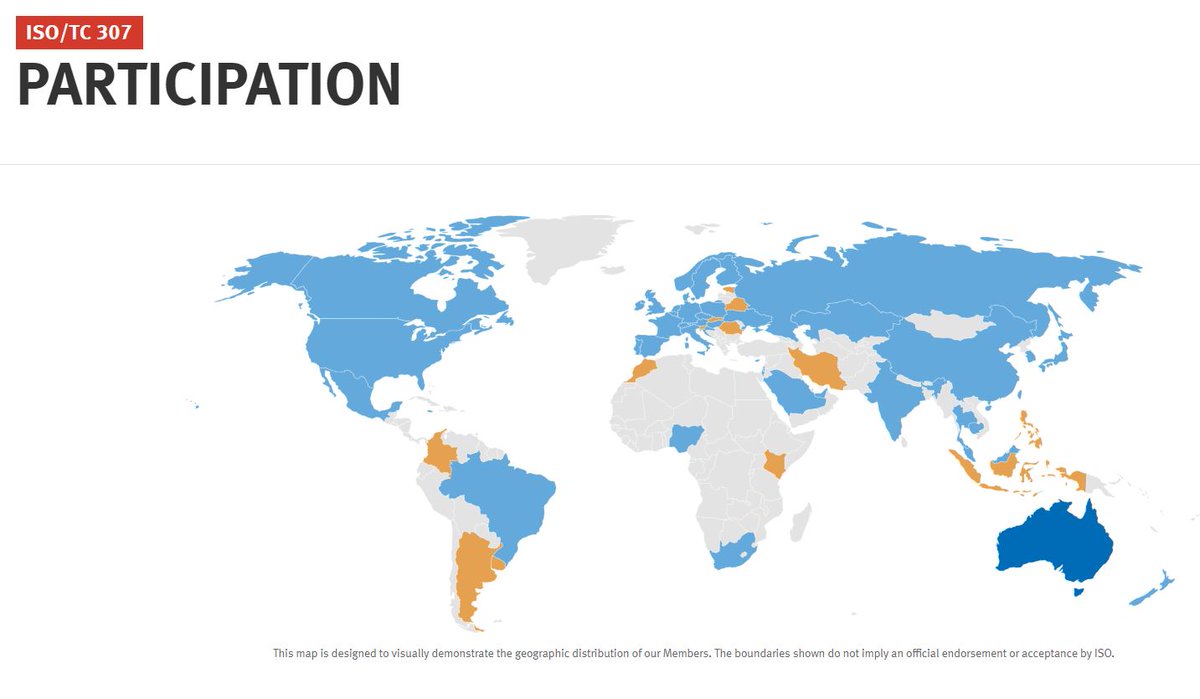
3/ "We believe that a blockchain gateway is needed for blockchain networks to interoperate in a manner similar
to border gateway routers in IP networks. Just as border gateway routers use the BGPv4 protocol to interact with one another in a peered fashion we believe that a...
4/ blockchain gateway protocol will be needed to permit the movement of virtual assets and related information across blockchain networks in a secure and privacy-preserving manner"
You can read more about the gateway protocol ODAP in this 21 tweet
5/
"We motivate the need for blockchain gateways and blockchain gateway protocols in the following summary:
✅Enables blockchain interoperability:
Blockchain gateways provide an interface for the interoperability between blockchain/DLT systems that operate distinct consensus...
https://t.co/PbjQkSlTT3
@quant_network are collaborating with MIT in the creation of ODAP
$QNT
2/ "In order for blockchain-based services to scale globally, blockchain networks must be able to interoperate with one another following a standardized protocol and interfaces (APIs)"
Gilbert founded ISO TC307 which 60 countries are working towards standardizing the interfaces
3/ "We believe that a blockchain gateway is needed for blockchain networks to interoperate in a manner similar
to border gateway routers in IP networks. Just as border gateway routers use the BGPv4 protocol to interact with one another in a peered fashion we believe that a...
4/ blockchain gateway protocol will be needed to permit the movement of virtual assets and related information across blockchain networks in a secure and privacy-preserving manner"
You can read more about the gateway protocol ODAP in this 21 tweet
See this 21-tweet thread about the creation of an Internet scale protocol to move digital assets involving Quant, MIT, US Government, Intel, Juniper, Payment and Telecom companies \U0001f447https://t.co/n7VGIIlAvq pic.twitter.com/mTUEmCMFZM
— Seq (@CryptoSeq) December 22, 2020
5/
"We motivate the need for blockchain gateways and blockchain gateway protocols in the following summary:
✅Enables blockchain interoperability:
Blockchain gateways provide an interface for the interoperability between blockchain/DLT systems that operate distinct consensus...