2/ "In order for blockchain-based services to scale globally, blockchain networks must be able to interoperate with one another following a standardized protocol and interfaces (APIs)"
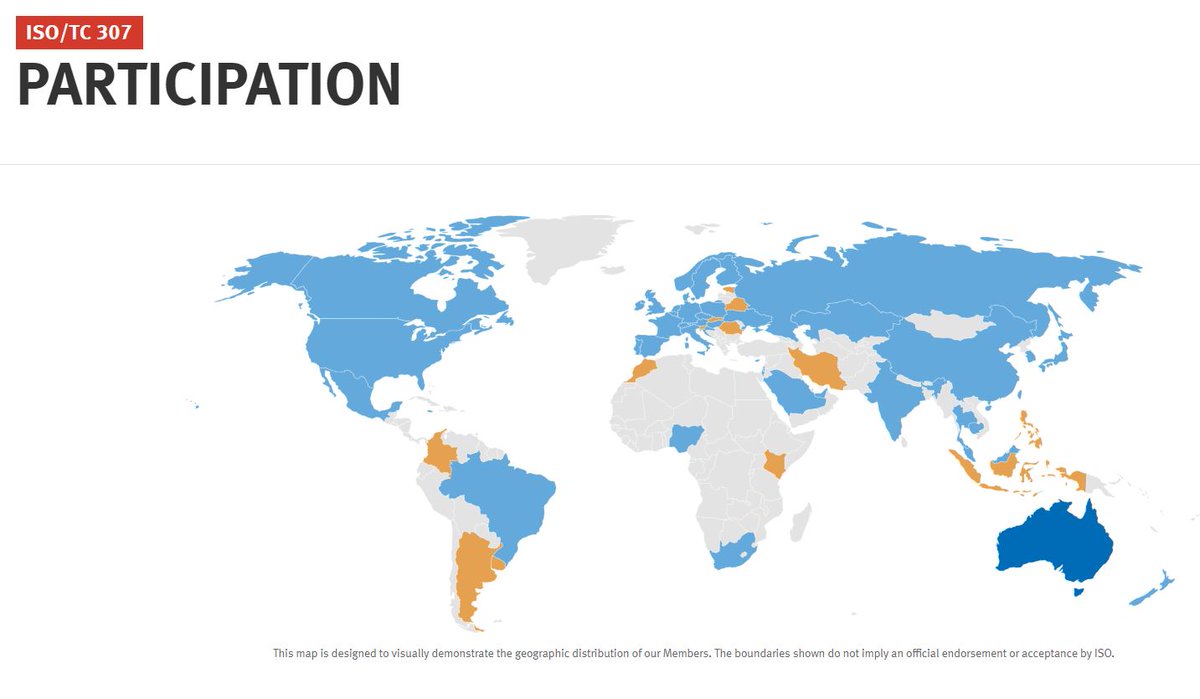
Gilbert founded ISO TC307 which 60 countries are working towards standardizing the interfaces
3/ "We believe that a blockchain gateway is needed for blockchain networks to interoperate in a manner similar
to border gateway routers in IP networks. Just as border gateway routers use the BGPv4 protocol to interact with one another in a peered fashion we believe that a...
4/ blockchain gateway protocol will be needed to permit the movement of virtual assets and related information across blockchain networks in a secure and privacy-preserving manner"
You can read more about the gateway protocol ODAP in this 21 tweet thread
https://t.co/zh0p8mYiRG
5/
"We motivate the need for blockchain gateways and blockchain gateway protocols in the following summary:
✅Enables blockchain interoperability:
Blockchain gateways provide an interface for the interoperability between blockchain/DLT systems that operate distinct consensus...
6/ protocols and ledger data structures. A gateway fronts its blockchain/DLT system, and exposes a standard interface (APIs) to an external peer (opposite) gateway"
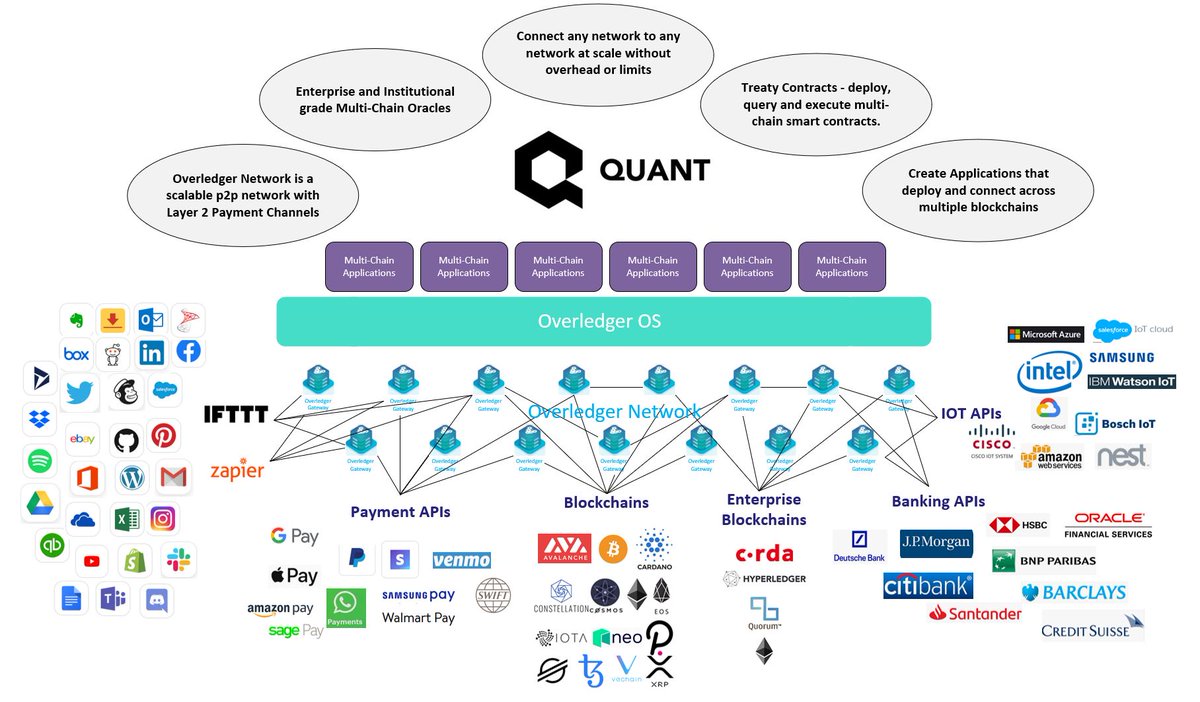
An Overledger Gateway can connect to many blockchains and APIs and enables access to them all through a single API
7/ Other Overledger Gateways will then connect to each other to connect blockchains / resources that are not directly connected to the gateway. They will do this through Open Digital Asset Protocol (ODAP)
8/
"✅Ensures blockchain network autonomy:
The use of gateways as the interface point between
blockchain networks permits each blockchain network to evolve, where new innovations and new technologies can be deployed interiorly within a blockchain network without..
9/ affecting other external blockchains. In this way, a blockchain network truly behaves as an autonomous
network in the same vein as the original vision of the IP Internet."
Quant's solution was designed with this in mind, taking inspiration from TCP/IP
https://t.co/YqFeVqrlFj
10/"✅Enables virtual asset mobility:
There is a growing need for virtual assets to be moveable
across blockchain networks, a need that will only increase with growth of CBDC tokenized currencies. The use of blockchains permit innovative asset movement protocols to be developed..
11/ that can be implemented by gateways across standardized APIs. Such asset movement protocols can be designed for specific asset types and be operated by gateways according to the different regulatory jurisdictions in the world."
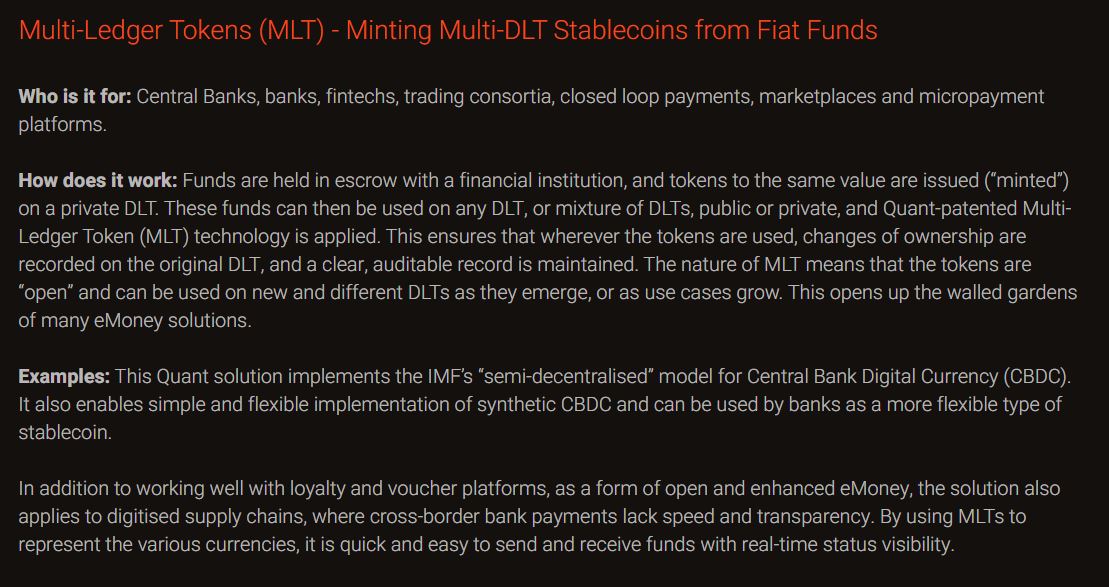
12/ Quant's Multi-Ledger Tokens enable assets to be moved across any blockchain whilst changes of ownership are recorded and a clear, auditable record is maintained. Opening up the walled gardens of many eMoney solutions
13/
"✅Enforcement point for AML/KYC regulations and international taxation:
Gateways as the “landing points” for virtual asset entering into (departing from) blockchain networks becomes
an enforcement point for AML/KYC regulations...
14/ Furthermore, for cross-border movement of assets the gateways also become “checkpoints” where international taxation concerns can be addressed and implemented."
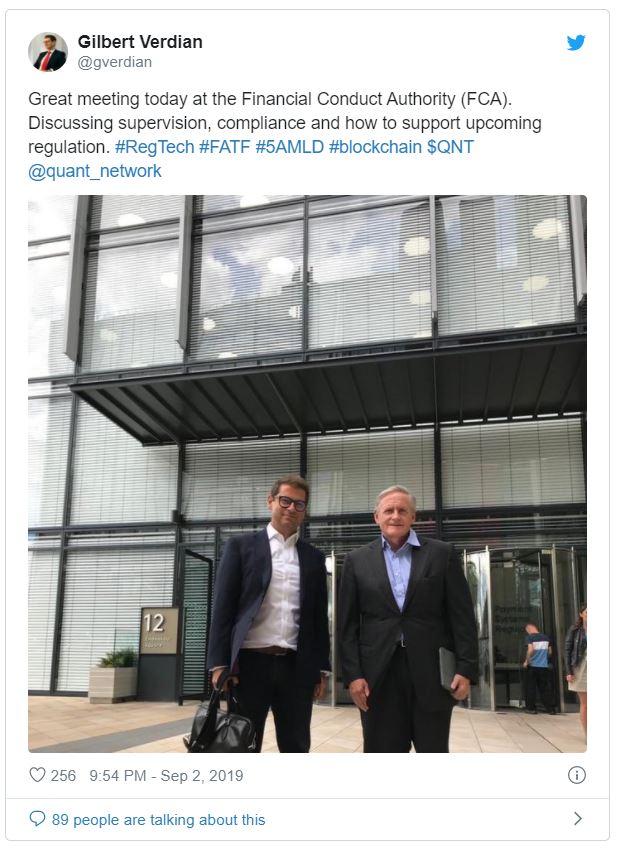
Quant are working with regulators to enable a compliant solution to be used by Central Banks, Banks, Governments
15/
"✅Enables integration with legacy systems:
The use of a standardized gateway-protocol between
peers of gateways permits one of the blockchains to be substituted for a legacy system (e.g. financial database systems) without impact to the remote peer...
16/ That is, a standardized gateway protocol can be use to hide the fact behind the gateway lies a legacy system. The
gateway hides the complexity of the interiors of the system that it fronts – be it legacy data systems or new blockchain/DLT systems."
17/ Quant's solution seamlessly integrates with existing legacy systems as well as the ability to connect to any blockchain (current and future), providing a scalable, compliant, secure solution to form the foundations of the next Internet. $QNT