
#CDSL It seems we reached our immediate target👇
Key points :
~ Avoid fresh entry
~ Add at RSI breakout retest level https://t.co/IMsJpR8PVw
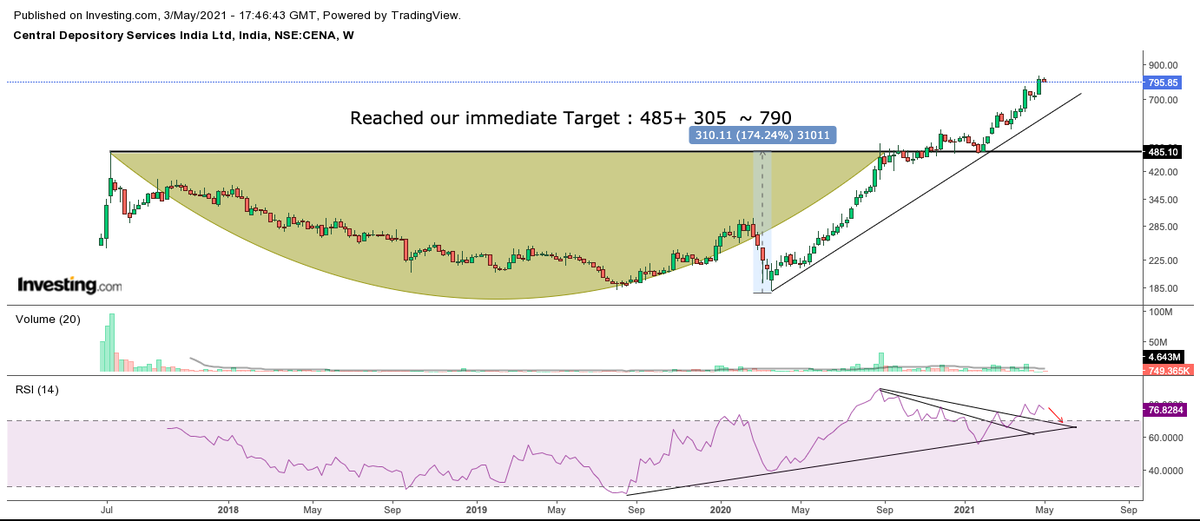
#CDSL \U0001f447\U0001f525 Further update https://t.co/JBf2Am9OaC pic.twitter.com/ganwgyEY9V
— Pranay Prasun (@PranayPrasun) March 16, 2021
More from Pranay Prasun


I was expecting reversal from 3000-3100 level but didn't work and looks like we may see 2600-2700 level
~ Already booked small loss and waiting for right entry
~ Shared weekly chart for reference https://t.co/OFsuLsYN2z
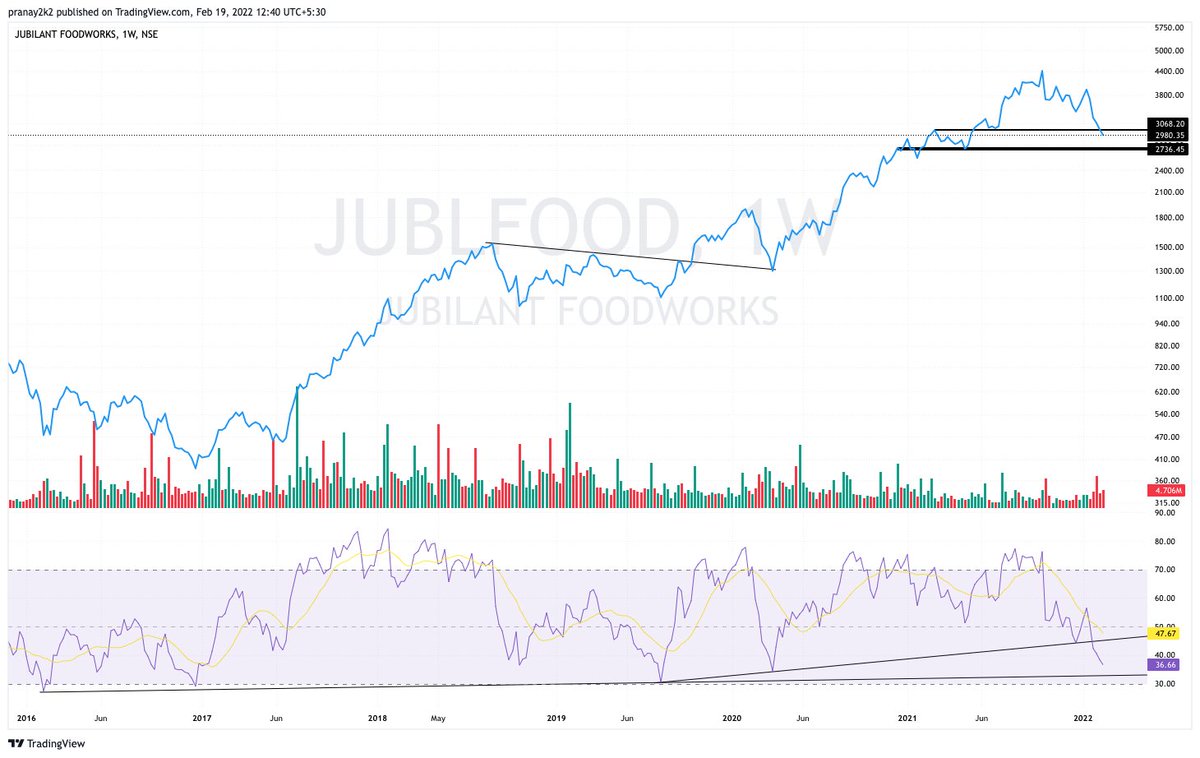
#Jubilantfoodworks Upside or Breakdown ? Good RR at CMP https://t.co/HXaHFX5fLt pic.twitter.com/RX5nREYuGU
— Pranay Prasun (@PranayPrasun) February 13, 2022
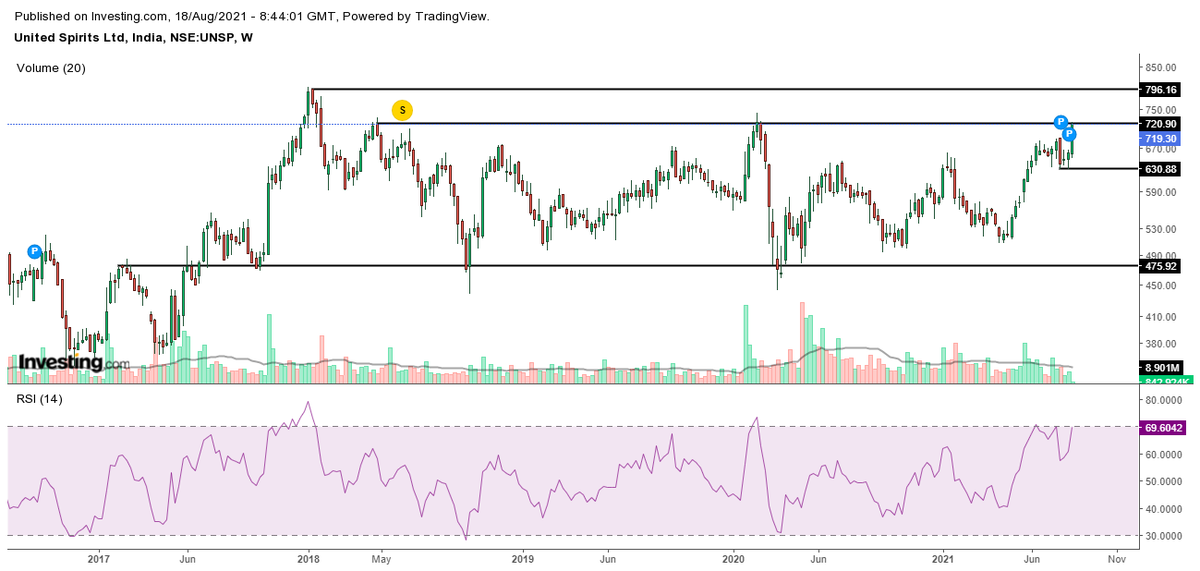
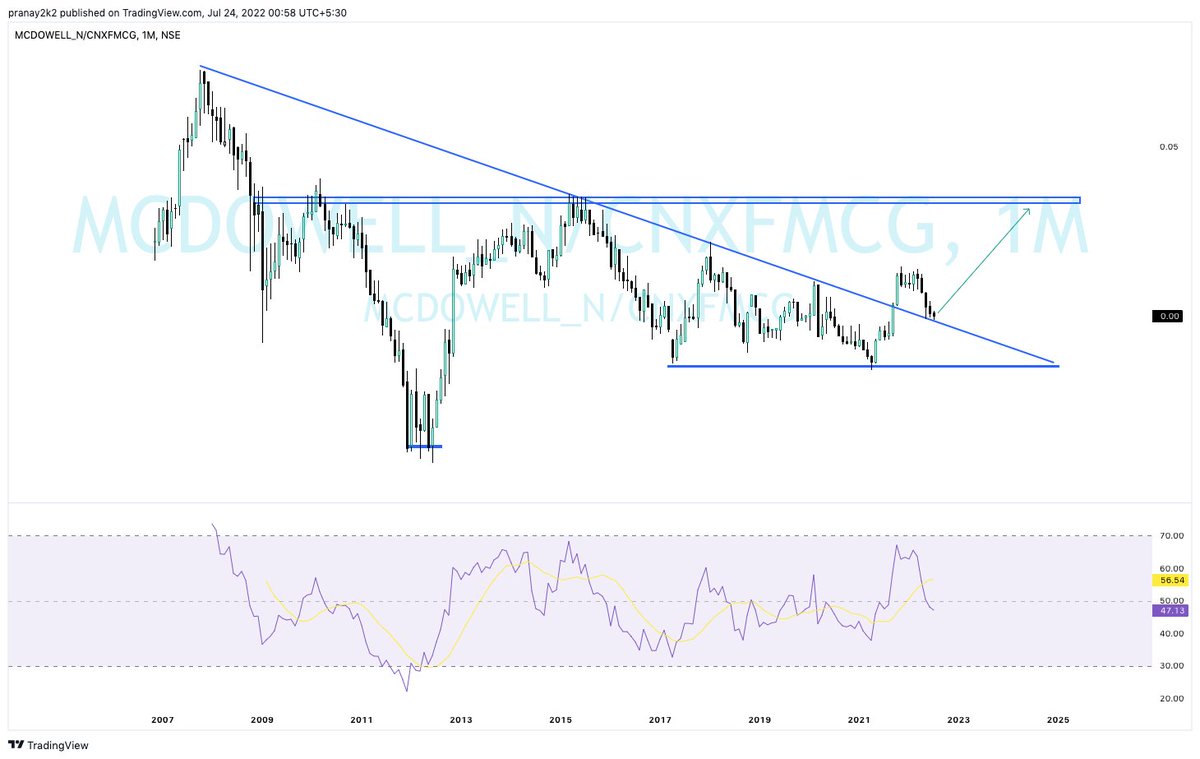
#USL #Unitedspirits #DIAGEO Shared daily chart for reference \U0001f447
— Pranay Prasun (@PranayPrasun) May 27, 2022
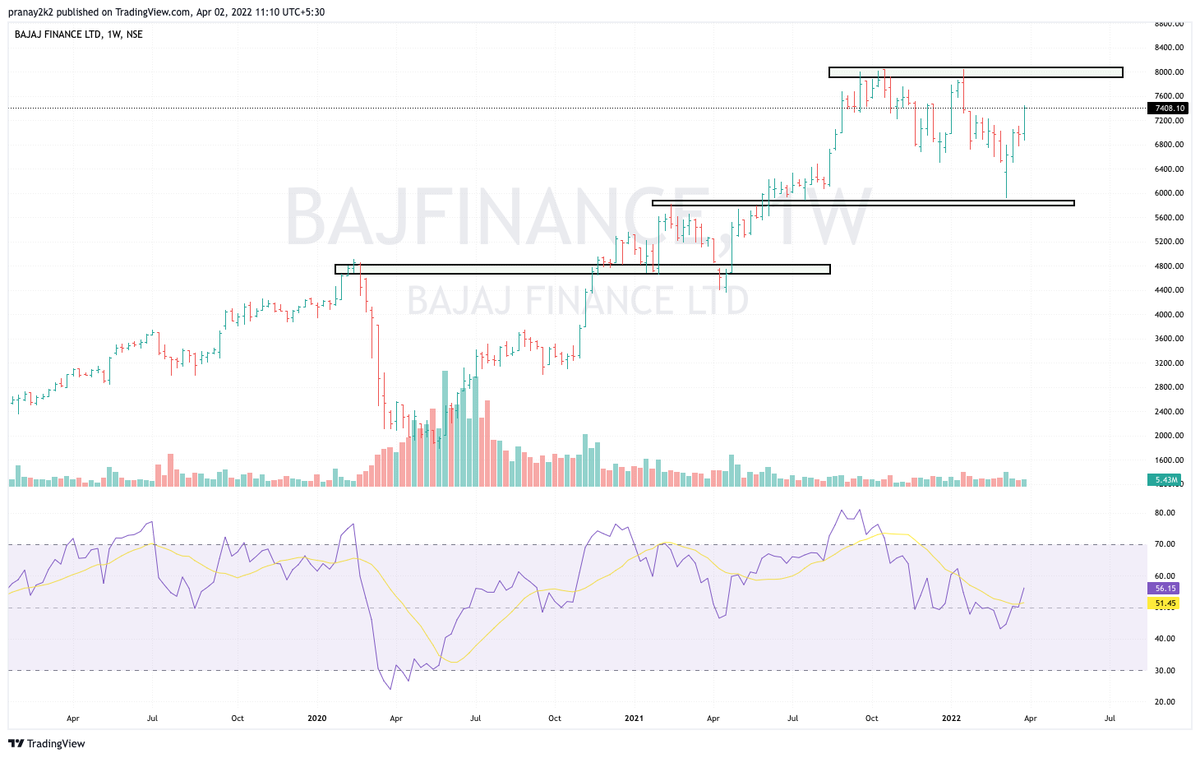
Here breakout candle is supported by volume https://t.co/MXsPJMNHDF pic.twitter.com/rTLQhfCXfg
More from Cdsl

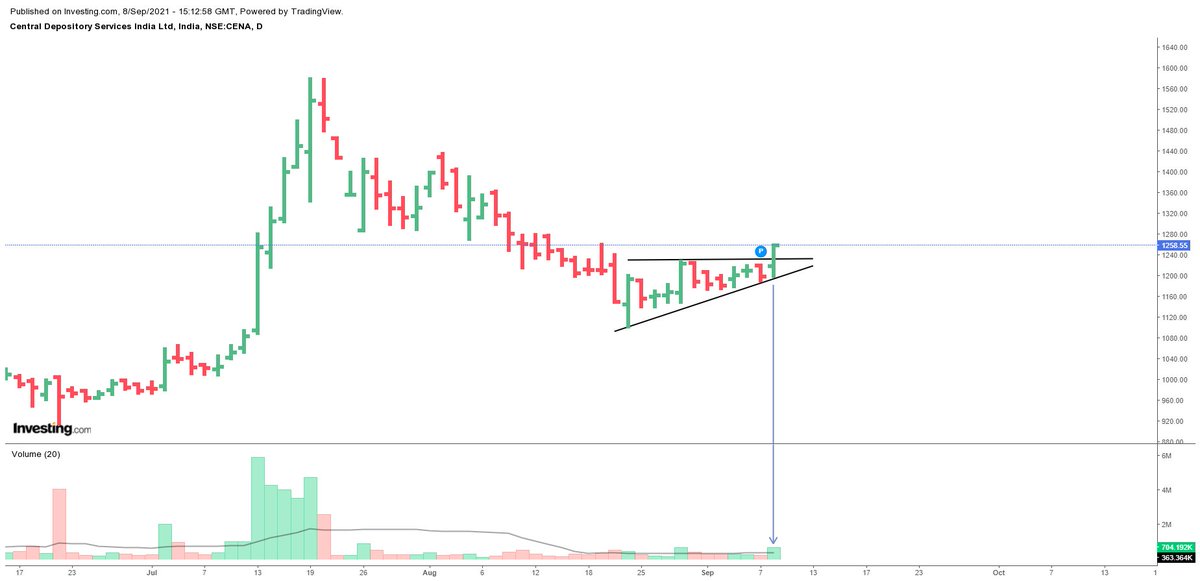
CDSL
CMP: 1258.55
One of my long term PORTFOLIO STOCK is getting ready for the next phase.
Will be a good point to add more quantity. https://t.co/KaidnjSWpY
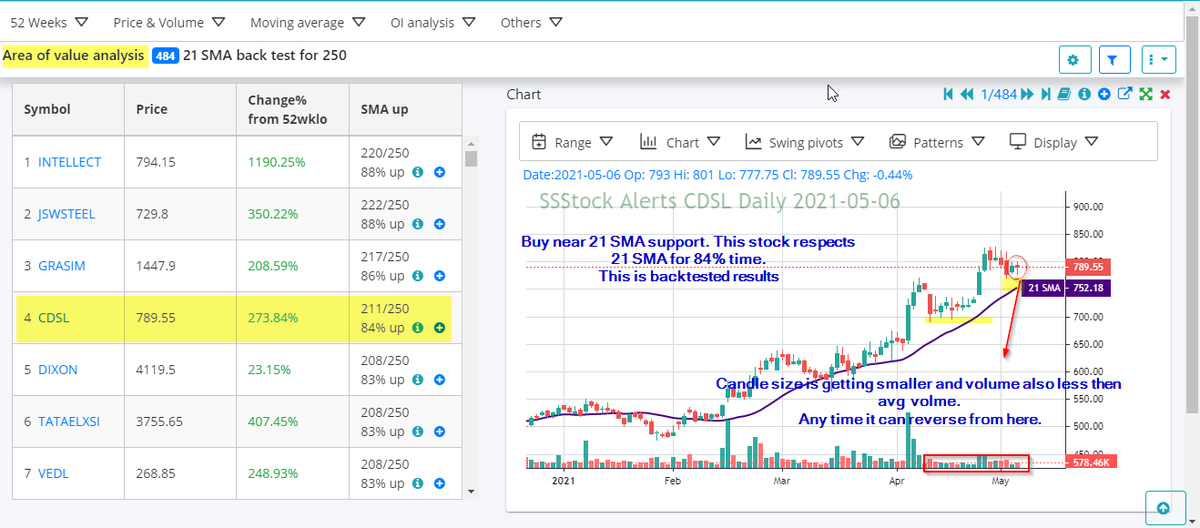
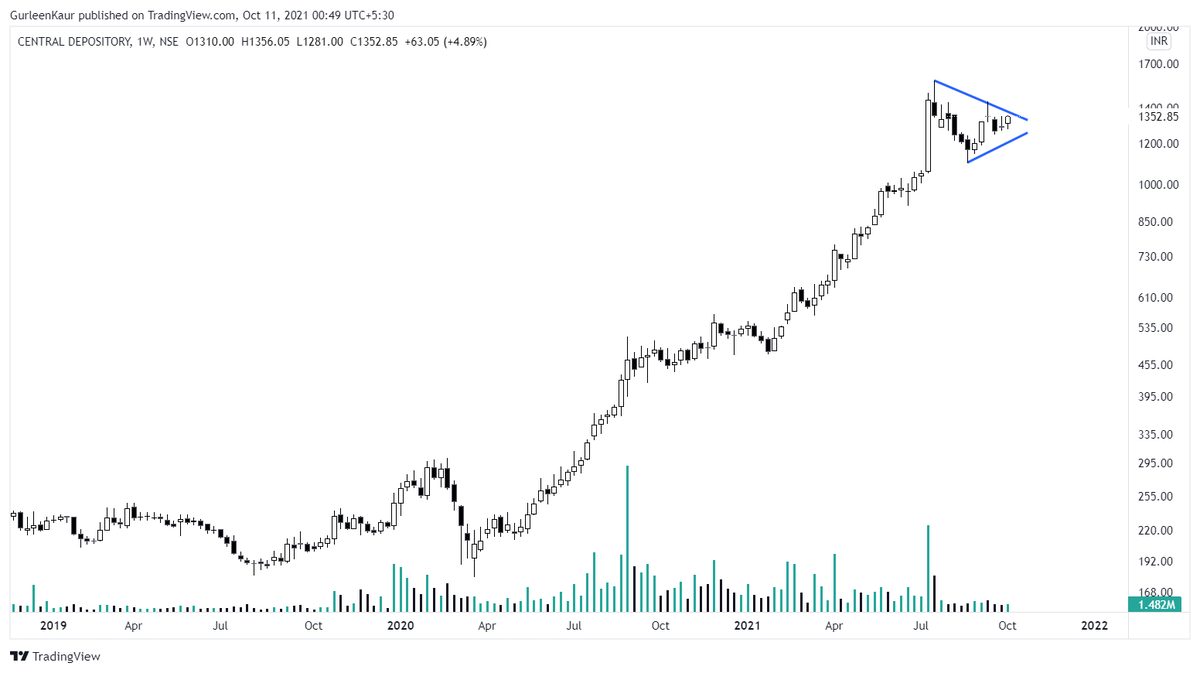
A lot of friends ask for stocks that they can invest for next 5 years. I personally believe and personally invested into
— TECHVESTOR (@AshrafZaman3) May 23, 2021
1. IEX
2 CDSL
3. IRCTC
4. NAZARA TECHNOLOGIES
Please do not take this as an investment recommendation. Also my entry price is lower.#investing pic.twitter.com/vKBLV9u4mL



You May Also Like

For three years I have wanted to write an article on moral panics. I have collected anecdotes and similarities between today\u2019s moral panic and those of the past - particularly the Satanic Panic of the 80s.
— Ashe Schow (@AsheSchow) September 29, 2018
This is my finished product: https://t.co/otcM1uuUDk
The 3 big things that made the 1980's/early 1990's surreal for me.
1) Satanic Panic - satanism in the day cares ahhhh!
2) "Repressed memory" syndrome
3) Facilitated Communication [FC]
All 3 led to massive abuse.
"Therapists" -and I use the term to describe these quacks loosely - would hypnotize people & convince they they were 'reliving' past memories of Mom & Dad killing babies in Satanic rituals in the basement while they were growing up.
Other 'therapists' would badger kids until they invented stories about watching alligators eat babies dropped into a lake from a hot air balloon. Kids would deny anything happened for hours until the therapist 'broke through' and 'found' the 'truth'.
FC was a movement that started with the claim severely handicapped individuals were able to 'type' legible sentences & communicate if a 'helper' guided their hands over a keyboard.

It's all in French, but if you're up for it you can read:
• Their blog post (lacks the most interesting details): https://t.co/PHkDcOT1hy
• Their high-level legal decision: https://t.co/hwpiEvjodt
• The full notification: https://t.co/QQB7rfynha
I've read it so you needn't!
Vectaury was collecting geolocation data in order to create profiles (eg. people who often go to this or that type of shop) so as to power ad targeting. They operate through embedded SDKs and ad bidding, making them invisible to users.
The @CNIL notes that profiling based off of geolocation presents particular risks since it reveals people's movements and habits. As risky, the processing requires consent — this will be the heart of their assessment.
Interesting point: they justify the decision in part because of how many people COULD be targeted in this way (rather than how many have — though they note that too). Because it's on a phone, and many have phones, it is considered large-scale processing no matter what.







Flat Earth conference attendees explain how they have been brainwashed by YouTube and Infowarshttps://t.co/gqZwGXPOoc
— Raw Story (@RawStory) November 18, 2018
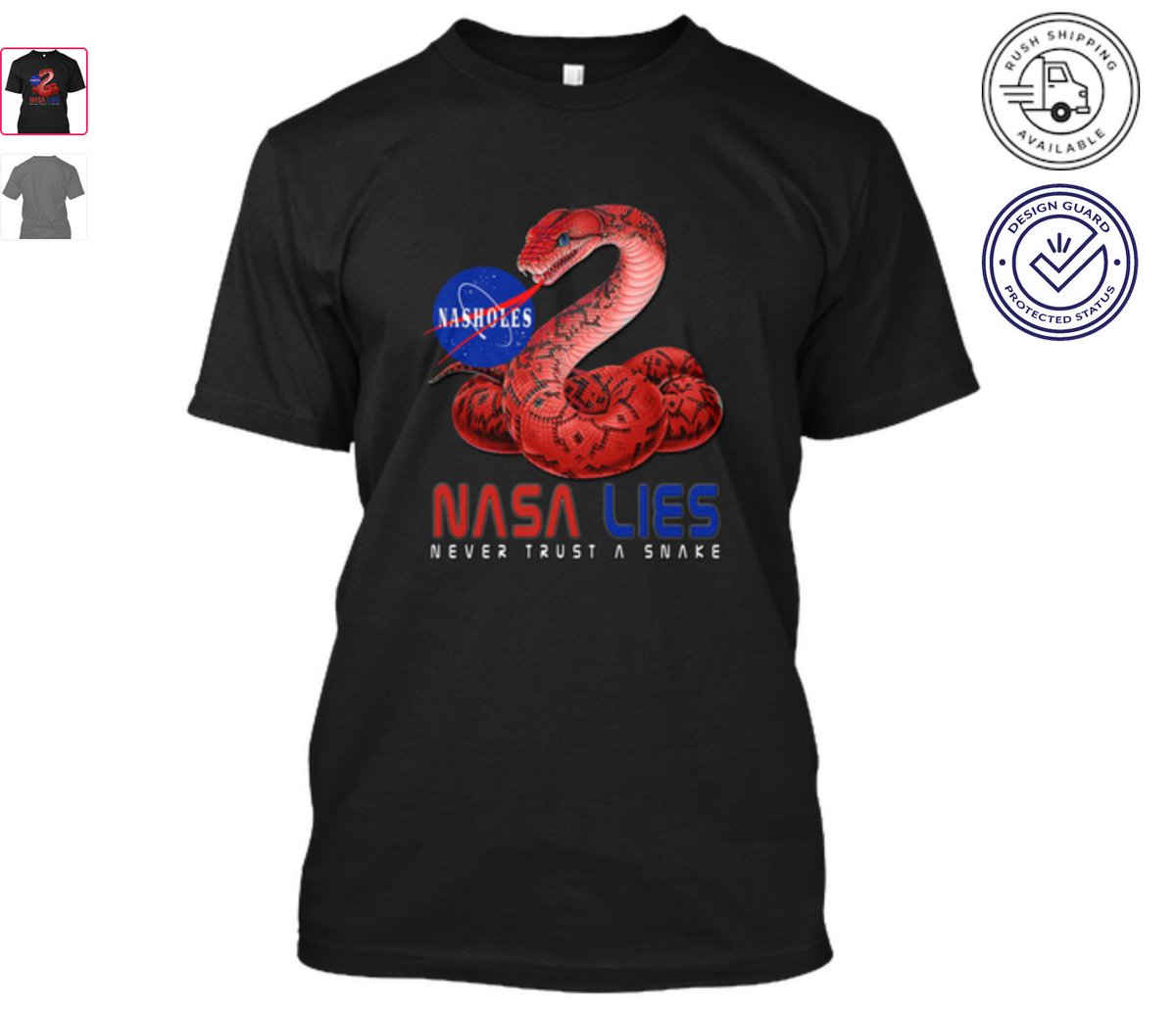
This spring at SxSW, @SusanWojcicki promised "Wikipedia snippets" on debated videos. But they didn't put them on flat earth videos, and instead @YouTube is promoting merchandising such as "NASA lies - Never Trust a Snake". 2/
A few example of flat earth videos that were promoted by YouTube #today:
https://t.co/TumQiX2tlj 3/
https://t.co/uAORIJ5BYX 4/
https://t.co/yOGZ0pLfHG 5/