
https://t.co/QhTuuDsVwL
I have studied the pandemic response of many countries. One of them got a key element right, which resulted in very few deaths: Japan. Their response was to keep people OUT of hospitals. A policy of early home treatment works best, hospitals only for severe cases & NO INTUBATIONS
https://t.co/QhTuuDsVwL
More from Robin Monotti FRSA
I have now re-examined this document:
It clearly does indicate both the risks of bacterial infection & to prescribe broad spectrum antibiotics as part of treatment:
"Collect blood cultures for bacteria that cause pneumonia and sepsis, ideally before antimicrobial therapy. DO NOT
delay antimicrobial therapy"
"6. Management of severe COVID-19: treatment of co-infections
Give empiric antimicrobials [broad spectrum antibiotics] to treat all likely pathogens causing SARI and sepsis as soon as possible, within 1 hour
of initial assessment for patients with sepsis."
"Empiric antibiotic treatment should be based on the clinical diagnosis (community-acquired
pneumonia, health care-associated pneumonia [if infection was acquired in health care setting] or sepsis), local epidemiology &
susceptibility data, and national treatment guidelines"
"When there is ongoing local circulation of seasonal influenza, empiric therapy with a neuraminidase inhibitor [anti-viral influenza drugs] should
be considered for the treatment for patients with influenza or at risk for severe disease."
On the 19th March 2020 the WHO released this guidance intended for healthcare workers (HCWs), healthcare managers and IPC teams at the facility level & at national and district/provincial level:https://t.co/C4aV2BnMPj pic.twitter.com/tCk1EyLskV
— Robin Monotti (@robinmonotti) December 21, 2020
It clearly does indicate both the risks of bacterial infection & to prescribe broad spectrum antibiotics as part of treatment:
"Collect blood cultures for bacteria that cause pneumonia and sepsis, ideally before antimicrobial therapy. DO NOT
delay antimicrobial therapy"
"6. Management of severe COVID-19: treatment of co-infections
Give empiric antimicrobials [broad spectrum antibiotics] to treat all likely pathogens causing SARI and sepsis as soon as possible, within 1 hour
of initial assessment for patients with sepsis."
"Empiric antibiotic treatment should be based on the clinical diagnosis (community-acquired
pneumonia, health care-associated pneumonia [if infection was acquired in health care setting] or sepsis), local epidemiology &
susceptibility data, and national treatment guidelines"
"When there is ongoing local circulation of seasonal influenza, empiric therapy with a neuraminidase inhibitor [anti-viral influenza drugs] should
be considered for the treatment for patients with influenza or at risk for severe disease."
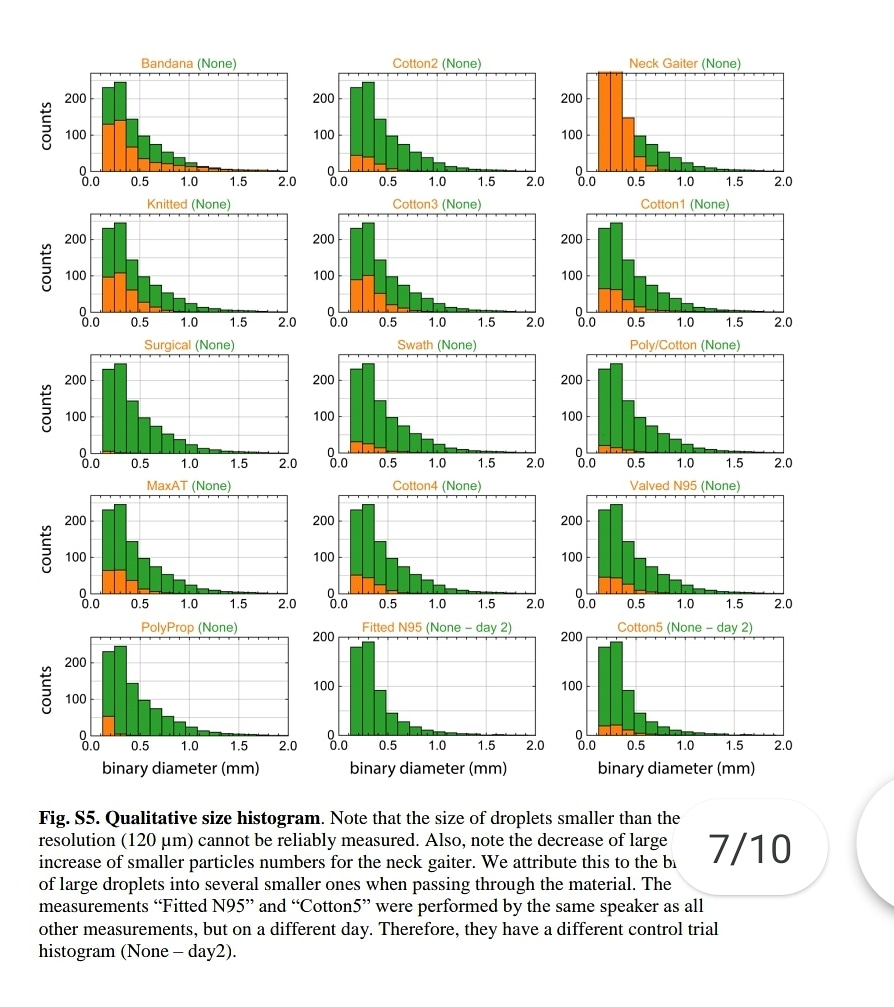
The evidence based science shows that medical face masks for the healthy do not alter rates of community transmission of SARSCoV2 while they contribute to the plastic pollution of planet. Cloth & masks of other materials increase rates of infection through nebulization spread.
"Speaking through some masks dispersed largest droplets into a multitude of smaller droplets..smaller particles are airborne longer than large droplets (larger droplets sink faster), a mask might be counterproductive."
https://t.co/jBQlWRxcEL
Influenza like illness rates 3 times higher with cloth masks when compared to control group:
https://t.co/djT0mfutv9
Prof. Carl Heneghan, Oxford University: "The high quality trial evidence for cloth masks suggest they increase your rate of reinfection."

Please note, droplets smaller than 120 microns can't be measured. SARSCoV2 is 0.14 microns. This means that the nebulization effect of medical masks could not be measured, not that it does not happen. ⬇️
The really small aerosols <1 μm [the ones that pass through ALL surgical masks] can penetrate all the way to the alveoli - the basic units for gas exchange
"Speaking through some masks dispersed largest droplets into a multitude of smaller droplets..smaller particles are airborne longer than large droplets (larger droplets sink faster), a mask might be counterproductive."
https://t.co/jBQlWRxcEL
Influenza like illness rates 3 times higher with cloth masks when compared to control group:
https://t.co/djT0mfutv9
Prof. Carl Heneghan, Oxford University: "The high quality trial evidence for cloth masks suggest they increase your rate of reinfection."
Please note, droplets smaller than 120 microns can't be measured. SARSCoV2 is 0.14 microns. This means that the nebulization effect of medical masks could not be measured, not that it does not happen. ⬇️
"Speaking through some masks dispersed largest droplets into a multitude of smaller droplets..smaller particles are airborne longer than large droplets (larger droplets sink faster), a mask might be counterproductive."https://t.co/jBQlWRxcEL pic.twitter.com/XeKYFmjsGs
— Robin Monotti (@robinmonotti) January 15, 2021
The really small aerosols <1 μm [the ones that pass through ALL surgical masks] can penetrate all the way to the alveoli - the basic units for gas exchange
4/In humans, larger aerosols deposit in upper throat, nose, & tracheobronchial region of the lung. Medium-sized aerosols mostly deposit in small airways further down. The really small aerosols <1 \u03bcm can penetrate all the way to the alveoli - the basic units for gas exchange. 4/7 pic.twitter.com/9ZJb4JrZqI
— Dr. Ali Nouri (@AliNouriPhD) December 29, 2020
I’m not just a lockdown sceptic. I know lockdowns increase infections rather than decrease them because I read research first hand. I’m a citizen in a democracy who wants Government policy to be evidence-based, not epidemiological modelling based. Crazy, I know.
Lockdowns increase infections because they lower immunity & therefore increase the disease. After hospitals & care homes households account for the largest number of transmissions. Schools/universities act as a break in transmission of the disease. All evidence based.
Transmission does not mean infection. I can transmit SARSCoV2 but I can't transmit Covid19. Whether SARSCoV2 develops at all into mild or severe Covid19 depends entirely on the immune system of the recipient. Early treatment prevents severe Covid19, the right treatment cures it.
"Children act more as a brake on infection," said Prof. Reinhard Berner, the head of pediatric medicine at Dresden University Hospital and leader of the study. "Not every infection that reaches them is passed
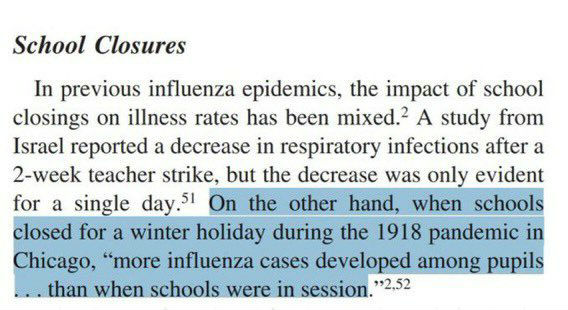
Closing schools increases transmission of respiratory viral infection because children act as a break on the community transmission of the virus. We have known this since 1918:
https://t.co/TPRYQ1LAAJ
Lockdowns increase infections because they lower immunity & therefore increase the disease. After hospitals & care homes households account for the largest number of transmissions. Schools/universities act as a break in transmission of the disease. All evidence based.
Transmission does not mean infection. I can transmit SARSCoV2 but I can't transmit Covid19. Whether SARSCoV2 develops at all into mild or severe Covid19 depends entirely on the immune system of the recipient. Early treatment prevents severe Covid19, the right treatment cures it.
"Children act more as a brake on infection," said Prof. Reinhard Berner, the head of pediatric medicine at Dresden University Hospital and leader of the study. "Not every infection that reaches them is passed
Closing schools increases transmission of respiratory viral infection because children act as a break on the community transmission of the virus. We have known this since 1918:
https://t.co/TPRYQ1LAAJ

More from Category c19

@welt published an article today on the “panic paper”-scandal in Germany.
Title is "Maximum collaboration”, showing @BMI_Bund / Horst Seehofer had a secret paper drafted in the 1st COVID-19 wave that dramatically depicted the threat.
A scandal of gigantic proportions. Thread⬇️
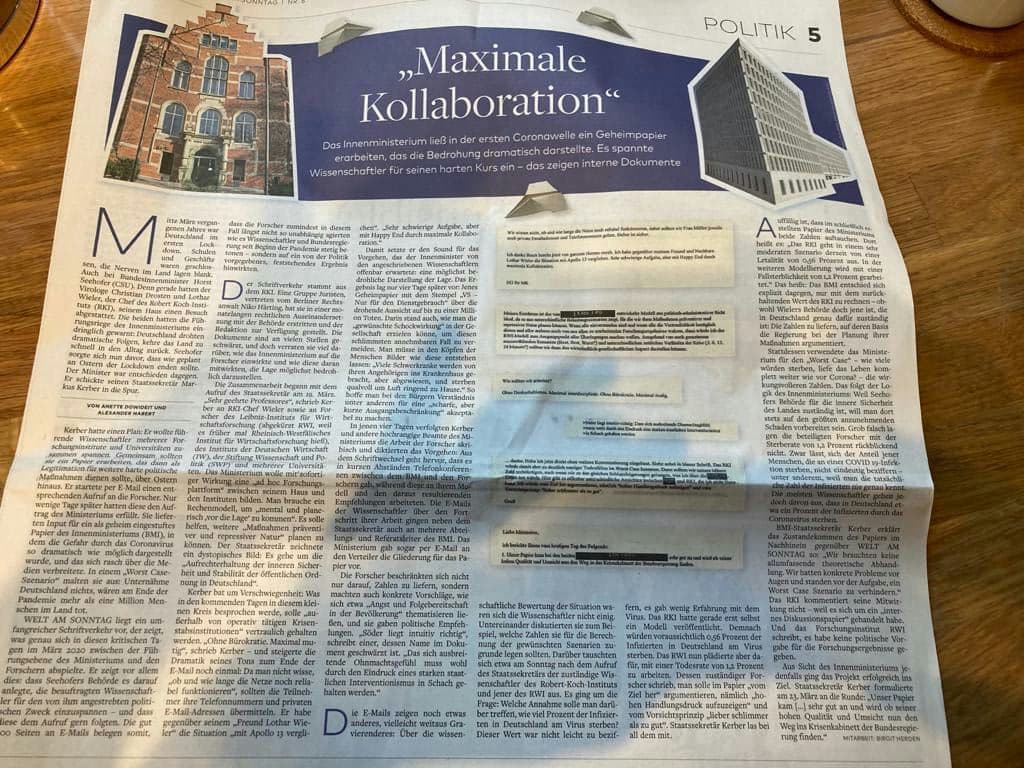
2/: @welt released 2 versions: long version as print, short-edit, online.
This thread focuses on the long version. It's of crucial importance-people around the globe understand this earthshaking scandal. Share.
English: https://t.co/qAbU6D8c0P
German: https://t.co/W2i1FtVrCg
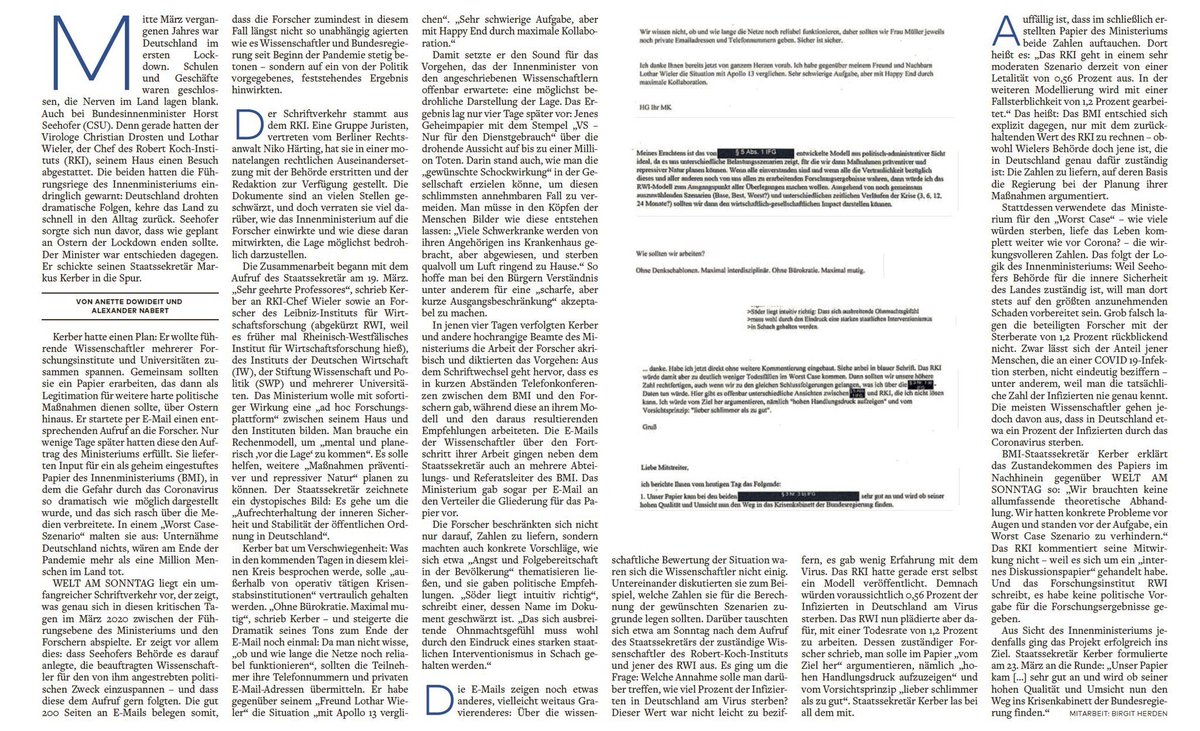
3/: Mid-March 2020: Federal Minister of the Interior-Horst Seehofer (@BMI_Bund, @cducsubt) was on the edge: Christian Drosten (@c_drosten) & Lothar Wieler (@RKI) urgently warned: Germany was threatened w/ dramatic consequences if the country returned to everyday life too quickly.
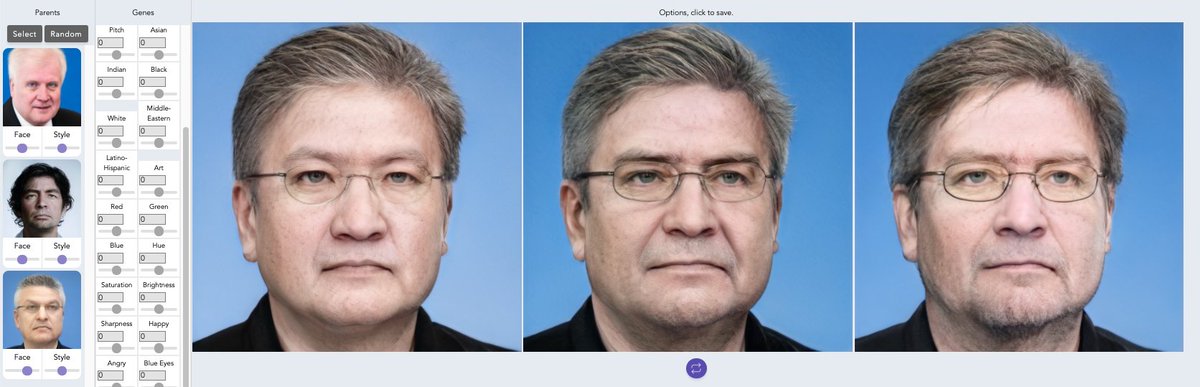
4/: Horst Seehofer sent his Secretary of State Markus Kerber into the lane. The plan was to bring together leading scientists: they should produce a paper that would then serve as legitimation for further tough political measures, beyond Easter - now known as the “panic paper”.
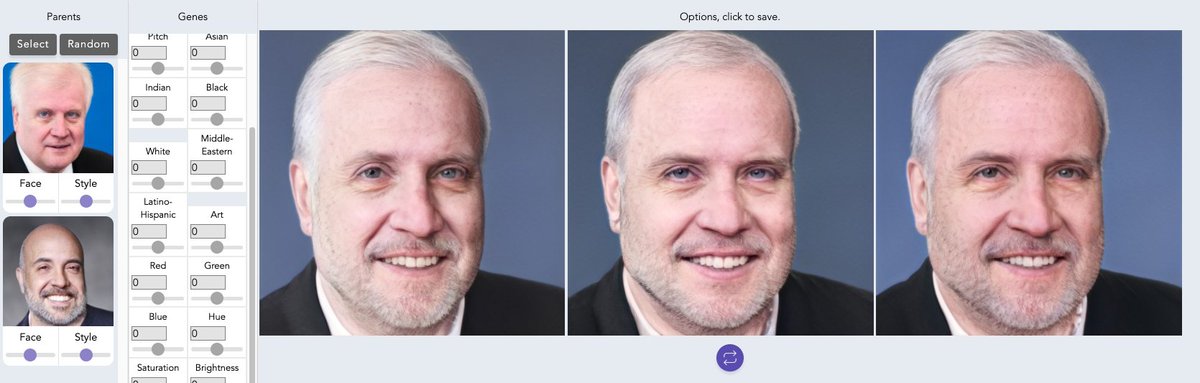
5/: Markus Kerber launched a corresponding call to researchers via e-mail, 4 days later, the request was fulfilled: A classified paper, which presented the danger posed by the virus as dramatically as possible, and which quickly spread through the media.

Title is "Maximum collaboration”, showing @BMI_Bund / Horst Seehofer had a secret paper drafted in the 1st COVID-19 wave that dramatically depicted the threat.
A scandal of gigantic proportions. Thread⬇️
2/: @welt released 2 versions: long version as print, short-edit, online.
This thread focuses on the long version. It's of crucial importance-people around the globe understand this earthshaking scandal. Share.
English: https://t.co/qAbU6D8c0P
German: https://t.co/W2i1FtVrCg
3/: Mid-March 2020: Federal Minister of the Interior-Horst Seehofer (@BMI_Bund, @cducsubt) was on the edge: Christian Drosten (@c_drosten) & Lothar Wieler (@RKI) urgently warned: Germany was threatened w/ dramatic consequences if the country returned to everyday life too quickly.
4/: Horst Seehofer sent his Secretary of State Markus Kerber into the lane. The plan was to bring together leading scientists: they should produce a paper that would then serve as legitimation for further tough political measures, beyond Easter - now known as the “panic paper”.
5/: Markus Kerber launched a corresponding call to researchers via e-mail, 4 days later, the request was fulfilled: A classified paper, which presented the danger posed by the virus as dramatically as possible, and which quickly spread through the media.


1) THERE IS A VERY REAL, CREDIBLE AND SIGNIFICANT DANGER THAT mRNA SPIKE PROTEIN THERAPIES WILL INDUCE PRION OR PRION-LIKE DISEASE
A paper from 2016 shows that prion and prion-like proteins can also spread and propagate from cell to cell through macropinocytosis. It is also
2) noted that the Spike Protein of SARS-CoV-2 can enter cells through macropinocytosis, without the presence of the entire virion. Given the recent Tweet to me by @endocdoc, where he recently saw a patient develop Creutzfeld-Jakob after COVID-19, the extant paper showing CJD
3) CJD after COVID-19 infection and the recent death of the head of Astra-Zeneca research from CJD should be concerning to all. Especially if he gave himself the AZ therapy during Stage 1 or Stage 2 trials. This would give a possible timeframe for onset.
Again, all Spike Protein
4) mRNA and DNA should be paused until long term animal studies can be
5)
https://t.co/PWOgyPoG5d
A paper from 2016 shows that prion and prion-like proteins can also spread and propagate from cell to cell through macropinocytosis. It is also
2) noted that the Spike Protein of SARS-CoV-2 can enter cells through macropinocytosis, without the presence of the entire virion. Given the recent Tweet to me by @endocdoc, where he recently saw a patient develop Creutzfeld-Jakob after COVID-19, the extant paper showing CJD
3) CJD after COVID-19 infection and the recent death of the head of Astra-Zeneca research from CJD should be concerning to all. Especially if he gave himself the AZ therapy during Stage 1 or Stage 2 trials. This would give a possible timeframe for onset.
Again, all Spike Protein
4) mRNA and DNA should be paused until long term animal studies can be
5)
https://t.co/PWOgyPoG5d

The genesis of a pandemic.
The #Corona crisis began with a panopticon of absurd events, improbable coincidences and outright lies.
Time for a review of the impossibilities.
A thread 🧵
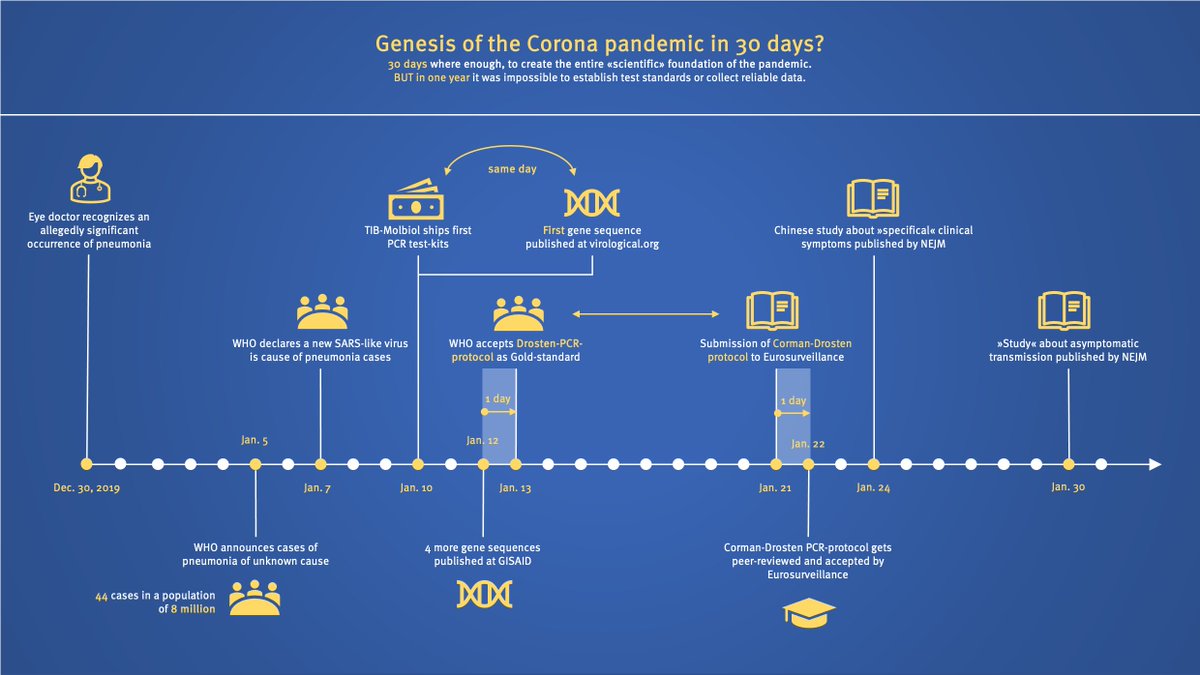
1/ At the end of December 2019, Wenliang, an eye doctor from Wuhan, noticed an allegedly unusual incidence of pneumonia. It remains a mystery what is unusual about 44 patients in a city with over 8 million citizens during winter.
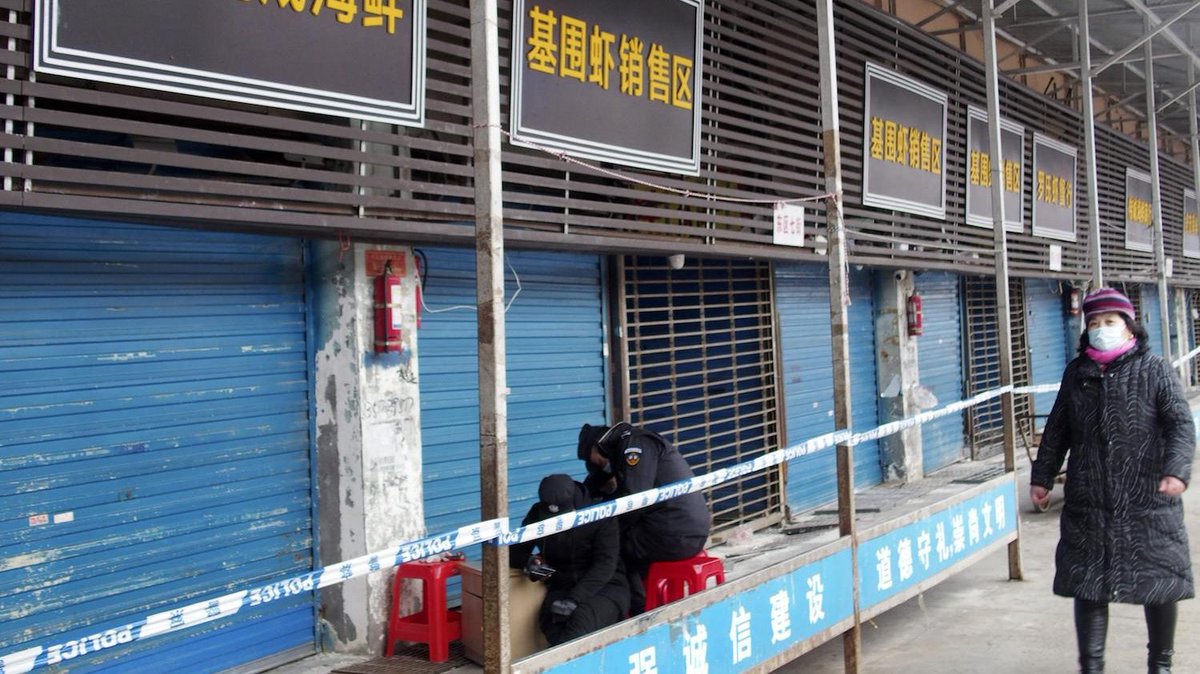
2/ On Jan. 5, WHO informs for the first time about a pneumonia of unknown cause, which it can clarify by 7 January. The virus is believed to be a close relative of SARS. A fish market allegedly is the origin. The #Zoonosis legend, unproven until today, is born.
3/ On Jan. 10, the first gene sequence of the virus today called #SARS-CoV2 appears at https://t.co/tqxKgyykBr, and on Jan. 12, 4 more sequences are published by @edwardcholmes in the GISAID (Global Initiative on Sharing All Influenza Data)
4/ As early as January 13, just a single day later, WHO accepts Mr. #Drosten|s PCR testing protocol as gold
The #Corona crisis began with a panopticon of absurd events, improbable coincidences and outright lies.
Time for a review of the impossibilities.
A thread 🧵
1/ At the end of December 2019, Wenliang, an eye doctor from Wuhan, noticed an allegedly unusual incidence of pneumonia. It remains a mystery what is unusual about 44 patients in a city with over 8 million citizens during winter.
2/ On Jan. 5, WHO informs for the first time about a pneumonia of unknown cause, which it can clarify by 7 January. The virus is believed to be a close relative of SARS. A fish market allegedly is the origin. The #Zoonosis legend, unproven until today, is born.
3/ On Jan. 10, the first gene sequence of the virus today called #SARS-CoV2 appears at https://t.co/tqxKgyykBr, and on Jan. 12, 4 more sequences are published by @edwardcholmes in the GISAID (Global Initiative on Sharing All Influenza Data)
4/ As early as January 13, just a single day later, WHO accepts Mr. #Drosten|s PCR testing protocol as gold
You May Also Like

1/12
RT-PCR corona (test) scam
Symptomatic people are tested for one and only one respiratory virus. This means that other acute respiratory infections are reclassified as
2/12
It is tested exquisitely with a hypersensitive non-specific RT-PCR test / Ct >35 (>30 is nonsense, >35 is madness), without considering Ct and clinical context. This means that more acute respiratory infections are reclassified as
3/12
The Drosten RT-PCR test is fabricated in a way that each country and laboratory perform it differently at too high Ct and that the high rate of false positives increases massively due to cross-reaction with other (corona) viruses in the "flu
4/12
Even asymptomatic, previously called healthy, people are tested (en masse) in this way, although there is no epidemiologically relevant asymptomatic transmission. This means that even healthy people are declared as COVID
5/12
Deaths within 28 days after a positive RT-PCR test from whatever cause are designated as deaths WITH COVID. This means that other causes of death are reclassified as
RT-PCR corona (test) scam
Symptomatic people are tested for one and only one respiratory virus. This means that other acute respiratory infections are reclassified as
4/10
— Dr. Thomas Binder, MD (@Thomas_Binder) October 22, 2020
...indication, first of all that testing for a (single) respiratory virus is done outside of surveillance systems or need for specific therapy, but even so the lack of consideration of Ct, symptoms and clinical findings when interpreting its result. https://t.co/gHH6kwRdZG
2/12
It is tested exquisitely with a hypersensitive non-specific RT-PCR test / Ct >35 (>30 is nonsense, >35 is madness), without considering Ct and clinical context. This means that more acute respiratory infections are reclassified as
6/10
— Dr. Thomas Binder, MD (@Thomas_Binder) October 22, 2020
The neither validated nor standardised hypersensitive RT-PCR test / Ct 35-45 for SARS-CoV-2 is abused to mislabel (also) other diseases, especially influenza, as COVID-19.https://t.co/AkFIfTCTkS
3/12
The Drosten RT-PCR test is fabricated in a way that each country and laboratory perform it differently at too high Ct and that the high rate of false positives increases massively due to cross-reaction with other (corona) viruses in the "flu
External peer review of the RTPCR test to detect SARS-CoV-2 reveals 10 major scientific flaws at the molecular and methodological level: consequences for false positive results.https://t.co/mbNY8bdw1p pic.twitter.com/OQBD4grMth
— Dr. Thomas Binder, MD (@Thomas_Binder) November 29, 2020
4/12
Even asymptomatic, previously called healthy, people are tested (en masse) in this way, although there is no epidemiologically relevant asymptomatic transmission. This means that even healthy people are declared as COVID
Thread web\u2b06\ufe0f\u2b07\ufe0f
— Dr. Thomas Binder, MD (@Thomas_Binder) December 16, 2020
The fabrication of the "asymptomatic (super) spreader" is the coronation of the total nons(ci)ense in the belief system of #CoronasWitnesses.
Asymptomatic transmission 0.7%; 95% CI 0%-4.9% - could well be 0%!https://t.co/VeZTzxXfvT
5/12
Deaths within 28 days after a positive RT-PCR test from whatever cause are designated as deaths WITH COVID. This means that other causes of death are reclassified as
8/8
— Dr. Thomas Binder, MD (@Thomas_Binder) March 24, 2020
By the way, who the f*** created this obviously (almost) worldwide definition of #CoronaDeath?
This is not only medical malpractice, this is utterly insane!https://t.co/FFsTx4L2mw

I’m torn on how to approach the idea of luck. I’m the first to admit that I am one of the luckiest people on the planet. To be born into a prosperous American family in 1960 with smart parents is to start life on third base. The odds against my very existence are astronomical.
I’ve always felt that the luckiest people I know had a talent for recognizing circumstances, not of their own making, that were conducive to a favorable outcome and their ability to quickly take advantage of them.
In other words, dumb luck was just that, it required no awareness on the person’s part, whereas “smart” luck involved awareness followed by action before the circumstances changed.
So, was I “lucky” to be born when I was—nothing I had any control over—and that I came of age just as huge databases and computers were advancing to the point where I could use those tools to write “What Works on Wall Street?” Absolutely.
Was I lucky to start my stock market investments near the peak of interest rates which allowed me to spend the majority of my adult life in a falling rate environment? Yup.
Ironies of Luck https://t.co/5BPWGbAxFi
— Morgan Housel (@morganhousel) March 14, 2018
"Luck is the flip side of risk. They are mirrored cousins, driven by the same thing: You are one person in a 7 billion player game, and the accidental impact of other people\u2019s actions can be more consequential than your own."
I’ve always felt that the luckiest people I know had a talent for recognizing circumstances, not of their own making, that were conducive to a favorable outcome and their ability to quickly take advantage of them.
In other words, dumb luck was just that, it required no awareness on the person’s part, whereas “smart” luck involved awareness followed by action before the circumstances changed.
So, was I “lucky” to be born when I was—nothing I had any control over—and that I came of age just as huge databases and computers were advancing to the point where I could use those tools to write “What Works on Wall Street?” Absolutely.
Was I lucky to start my stock market investments near the peak of interest rates which allowed me to spend the majority of my adult life in a falling rate environment? Yup.

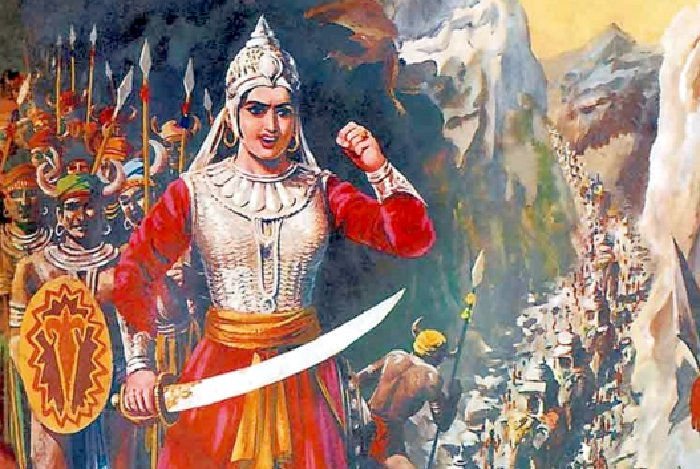





THE MEANING, SIGNIFICANCE AND HISTORY OF SWASTIK
The Swastik is a geometrical figure and an ancient religious icon. Swastik has been Sanatan Dharma’s symbol of auspiciousness – mangalya since time immemorial.

The name swastika comes from Sanskrit (Devanagari: स्वस्तिक, pronounced: swastik) &denotes “conducive to wellbeing or auspicious”.
The word Swastik has a definite etymological origin in Sanskrit. It is derived from the roots su – meaning “well or auspicious” & as meaning “being”.
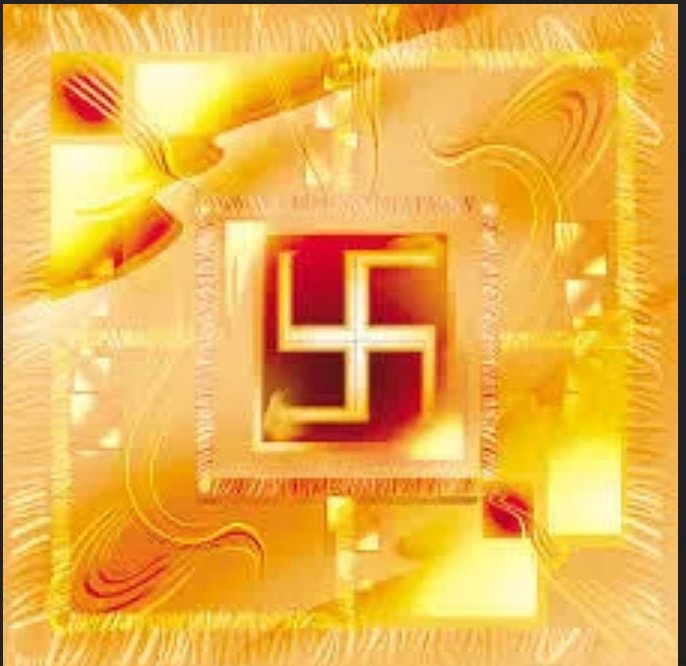
"सु अस्ति येन तत स्वस्तिकं"
Swastik is de symbol through which everything auspicios occurs
Scholars believe word’s origin in Vedas,known as Swasti mantra;
"🕉स्वस्ति ना इन्द्रो वृधश्रवाहा
स्वस्ति ना पूषा विश्ववेदाहा
स्वस्तिनास्तरक्ष्यो अरिश्तनेमिही
स्वस्तिनो बृहस्पतिर्दधातु"

It translates to," O famed Indra, redeem us. O Pusha, the beholder of all knowledge, redeem us. Redeem us O Garudji, of limitless speed and O Bruhaspati, redeem us".
SWASTIK’s COSMIC ORIGIN
The Swastika represents the living creation in the whole Cosmos.
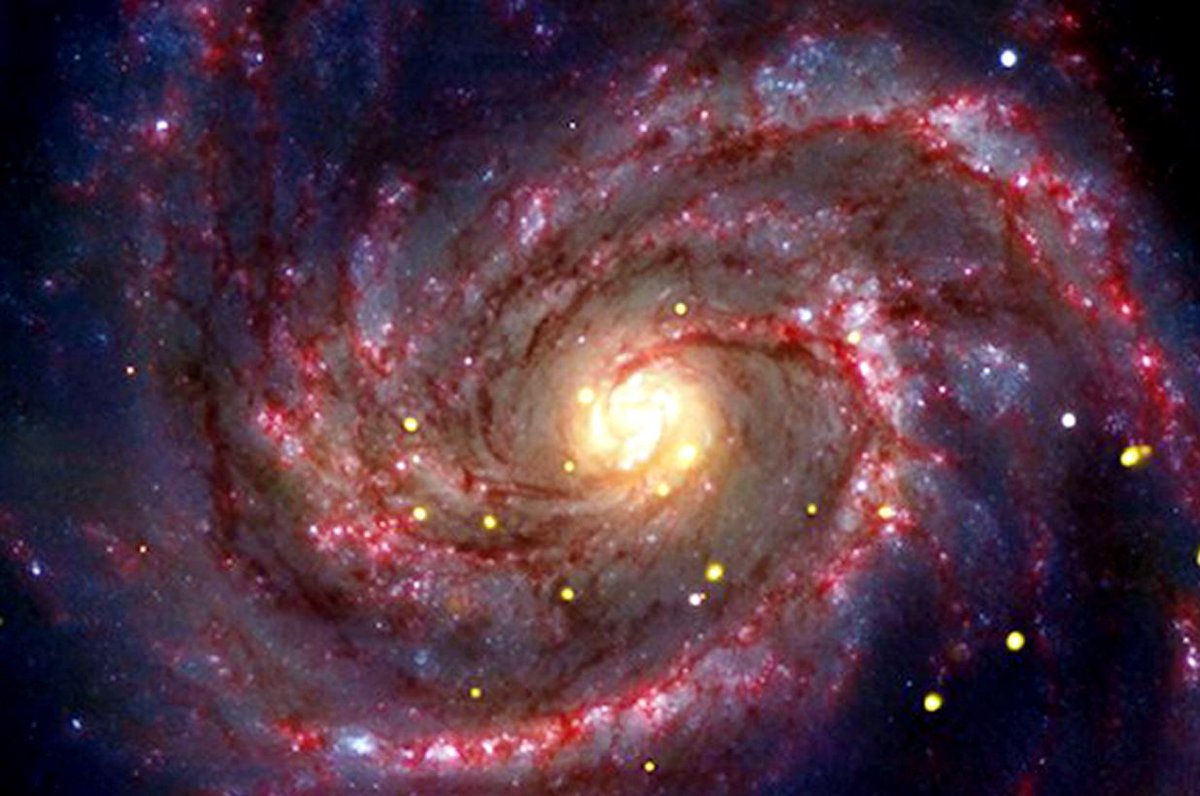
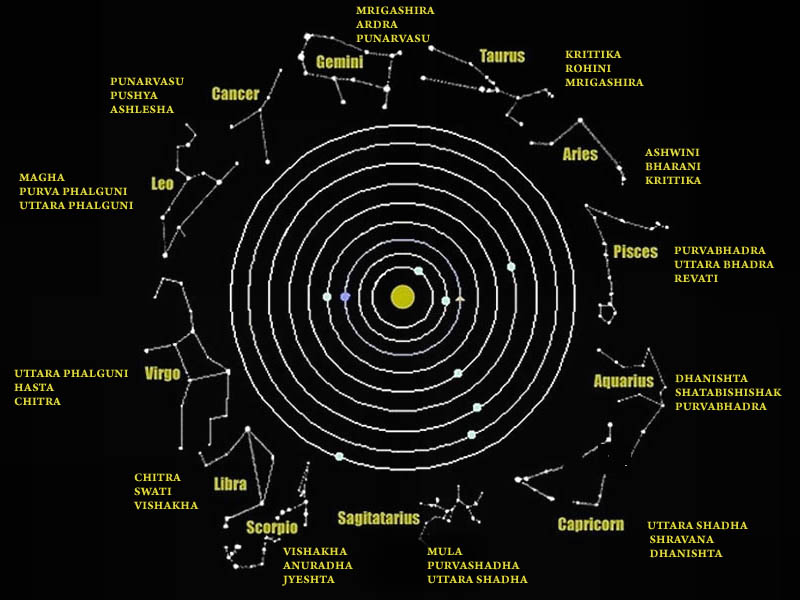
Hindu astronomers divide the ecliptic circle of cosmos in 27 divisions called https://t.co/sLeuV1R2eQ this manner a cross forms in 4 directions in the celestial sky. At centre of this cross is Dhruva(Polestar). In a line from Dhruva, the stars known as Saptarishi can be observed.
The Swastik is a geometrical figure and an ancient religious icon. Swastik has been Sanatan Dharma’s symbol of auspiciousness – mangalya since time immemorial.
The name swastika comes from Sanskrit (Devanagari: स्वस्तिक, pronounced: swastik) &denotes “conducive to wellbeing or auspicious”.
The word Swastik has a definite etymological origin in Sanskrit. It is derived from the roots su – meaning “well or auspicious” & as meaning “being”.
"सु अस्ति येन तत स्वस्तिकं"
Swastik is de symbol through which everything auspicios occurs
Scholars believe word’s origin in Vedas,known as Swasti mantra;
"🕉स्वस्ति ना इन्द्रो वृधश्रवाहा
स्वस्ति ना पूषा विश्ववेदाहा
स्वस्तिनास्तरक्ष्यो अरिश्तनेमिही
स्वस्तिनो बृहस्पतिर्दधातु"
It translates to," O famed Indra, redeem us. O Pusha, the beholder of all knowledge, redeem us. Redeem us O Garudji, of limitless speed and O Bruhaspati, redeem us".
SWASTIK’s COSMIC ORIGIN
The Swastika represents the living creation in the whole Cosmos.
Hindu astronomers divide the ecliptic circle of cosmos in 27 divisions called https://t.co/sLeuV1R2eQ this manner a cross forms in 4 directions in the celestial sky. At centre of this cross is Dhruva(Polestar). In a line from Dhruva, the stars known as Saptarishi can be observed.