The bizarre history of cannabis in India: a cartoon history thread. (1/n)

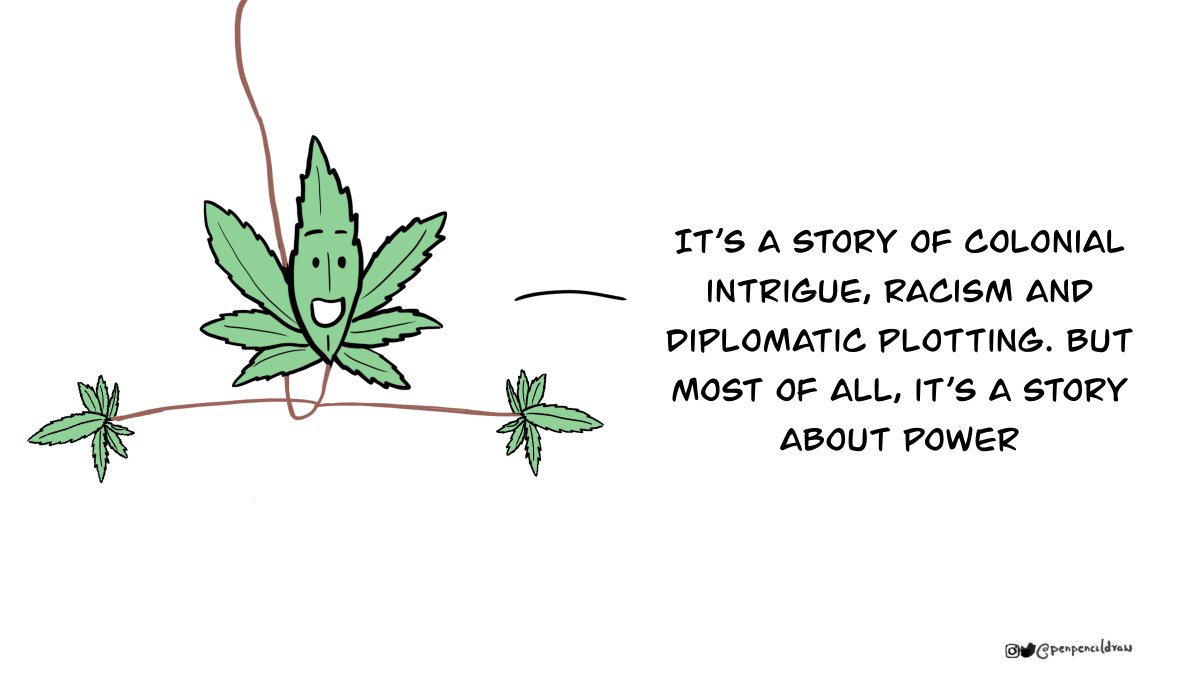
The story of cannabis in India is long and convoluted.
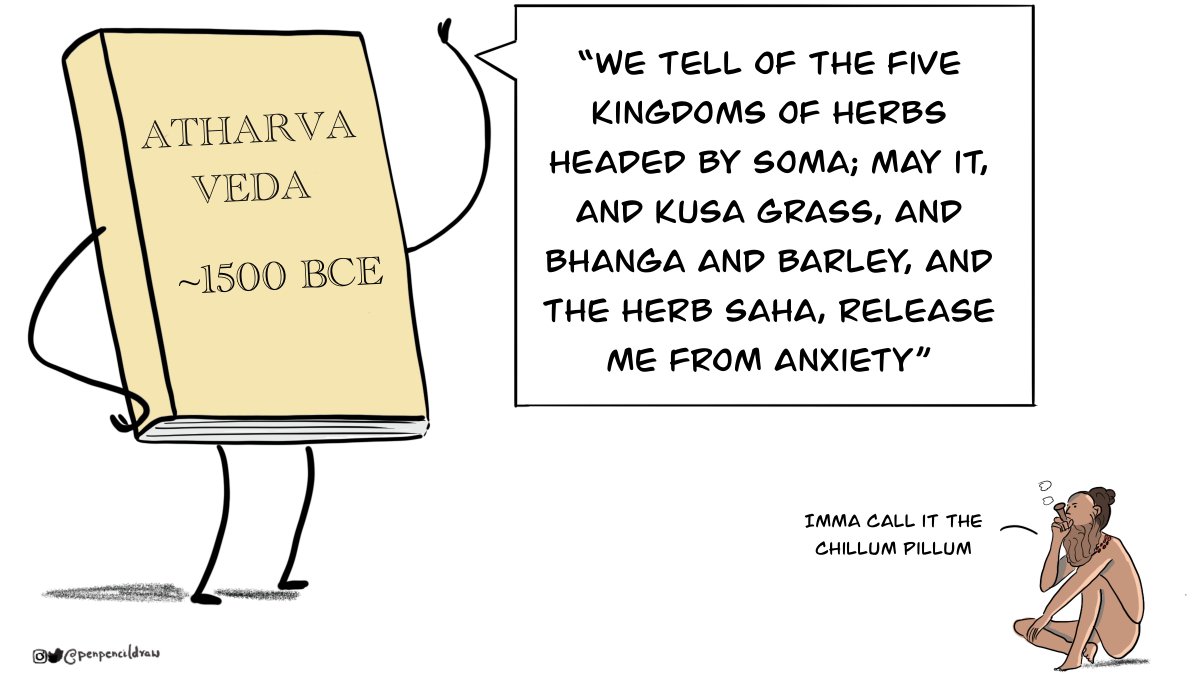
Ancient Indians knew of cannabis very well. https://t.co/HlJryX9UXp
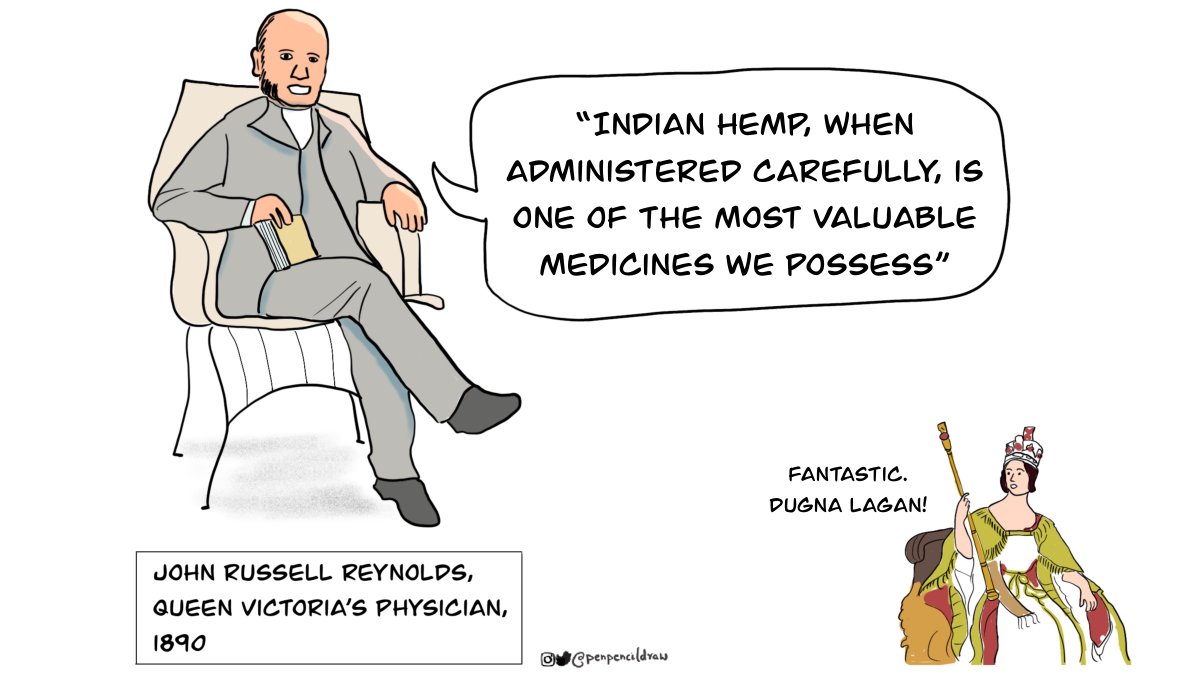
For hundreds of years, cannabis was used to treat everyday ailments, pain relief and recreation. And that lasted into colonial times. https://t.co/Nw4CpcQAHW
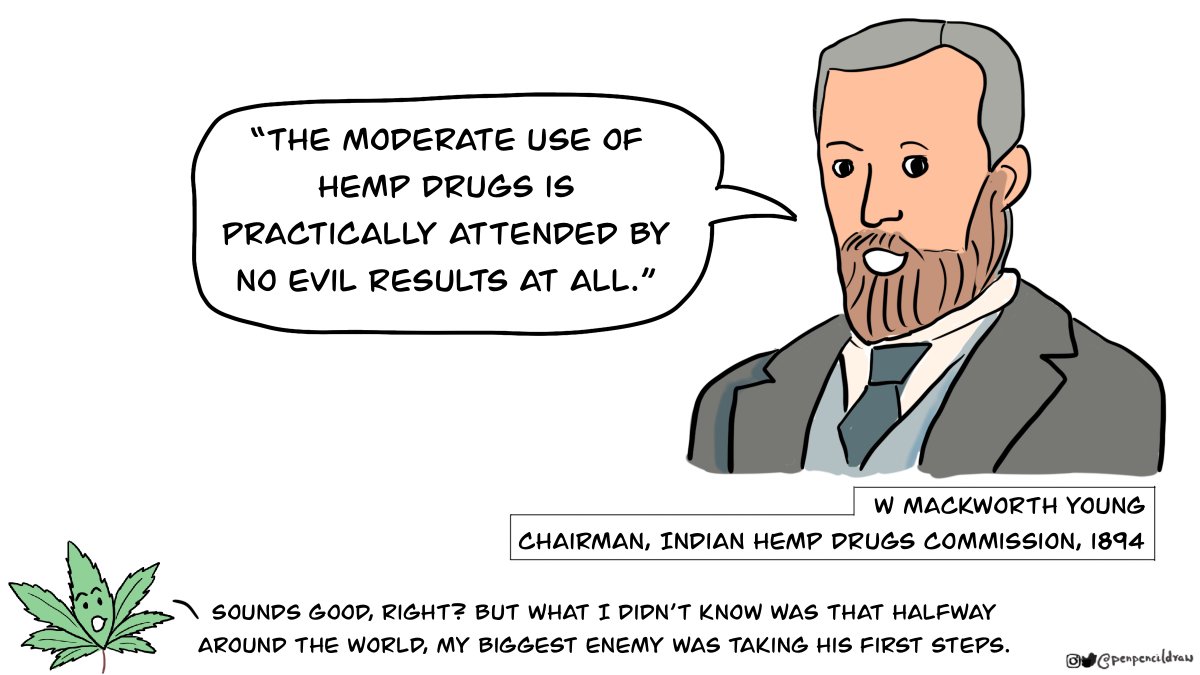
Some officials claimed that cannabis caused insanity, so the British set up the Indian Hemp Drugs Commission to investigate. It ended up recommending that cannabis not be banned, but more regulated and taxed. https://t.co/uc1OQ7sshd
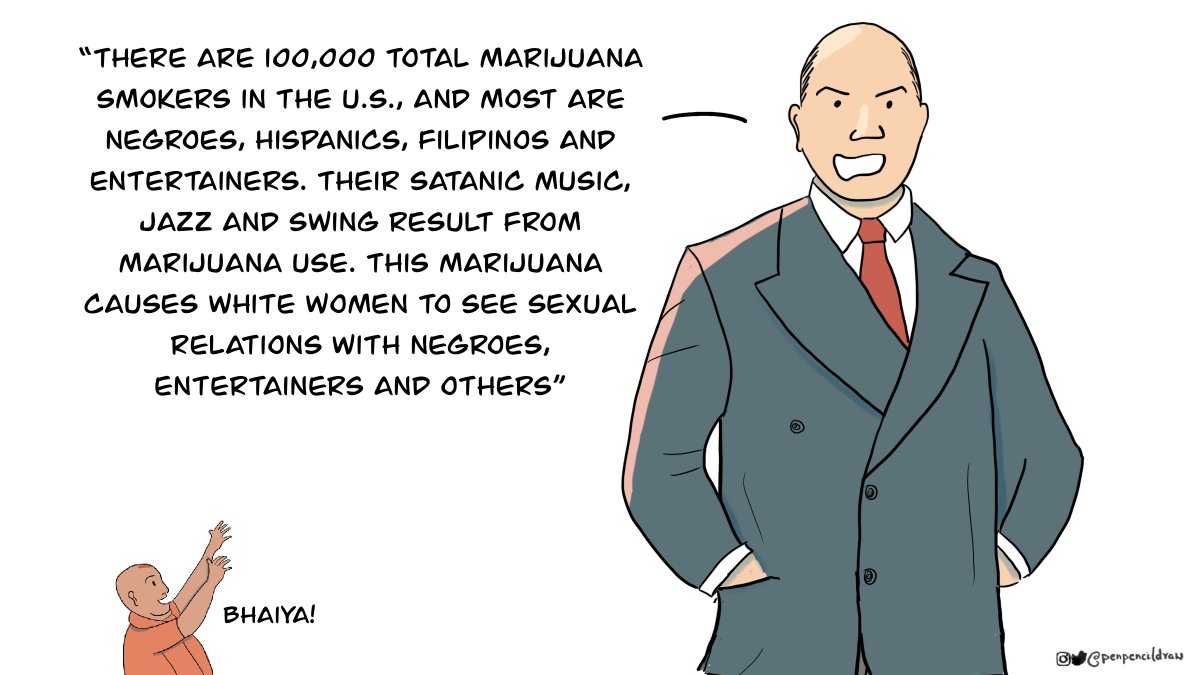
Harry Anslinger started his career enforcing US alcohol prohibition laws. When prohibition ended, he started attacking cannabis as a law enforcement problem. https://t.co/laVABWkRdJ
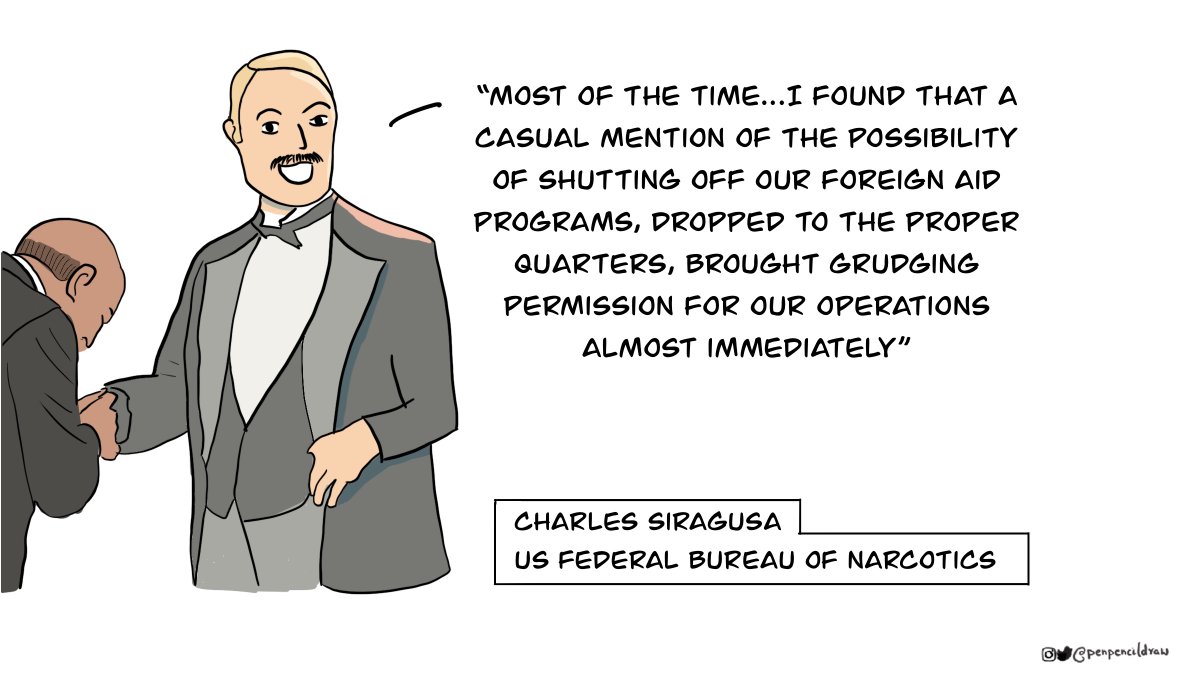
After World War II, the US became the world’s biggest superpower. Anslinger represented it at the UN’s new commission on narcotic drugs, and his agents began using US clout to influence global drug policy. https://t.co/xeUd3G4AvB
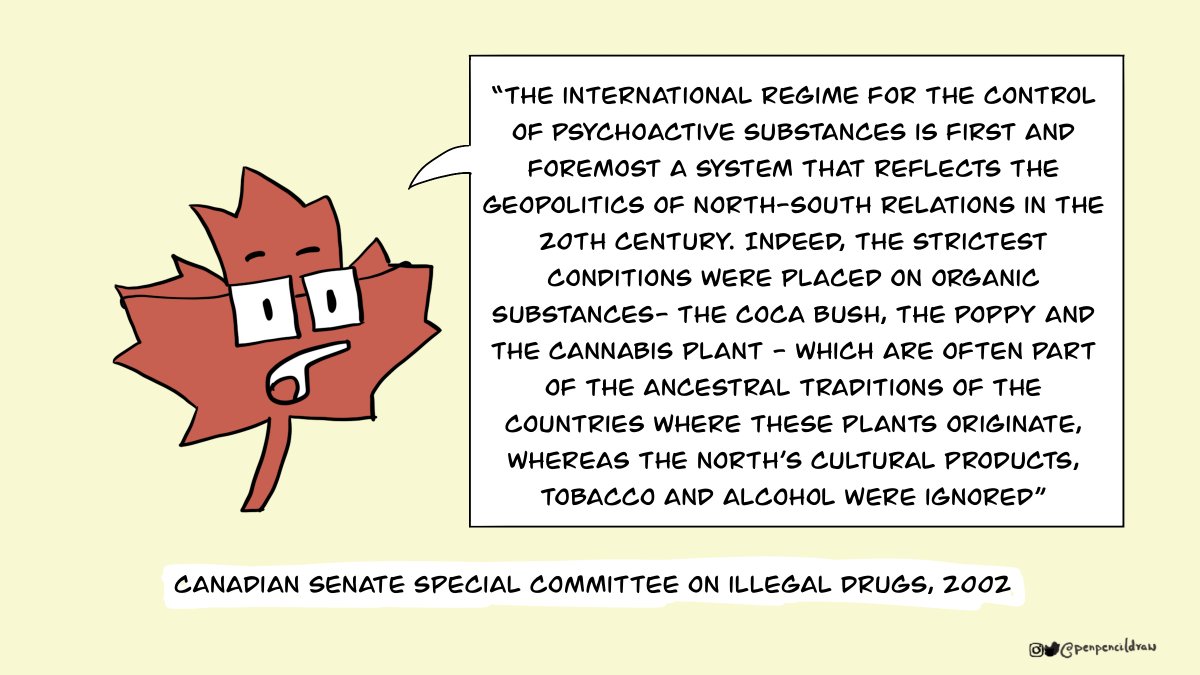
An aside: Global drug policy depends on who holds power and what benefits them. That’s partly why tobacco and alcohol are treated differently from cannabis. https://t.co/UoY5ikTxWm
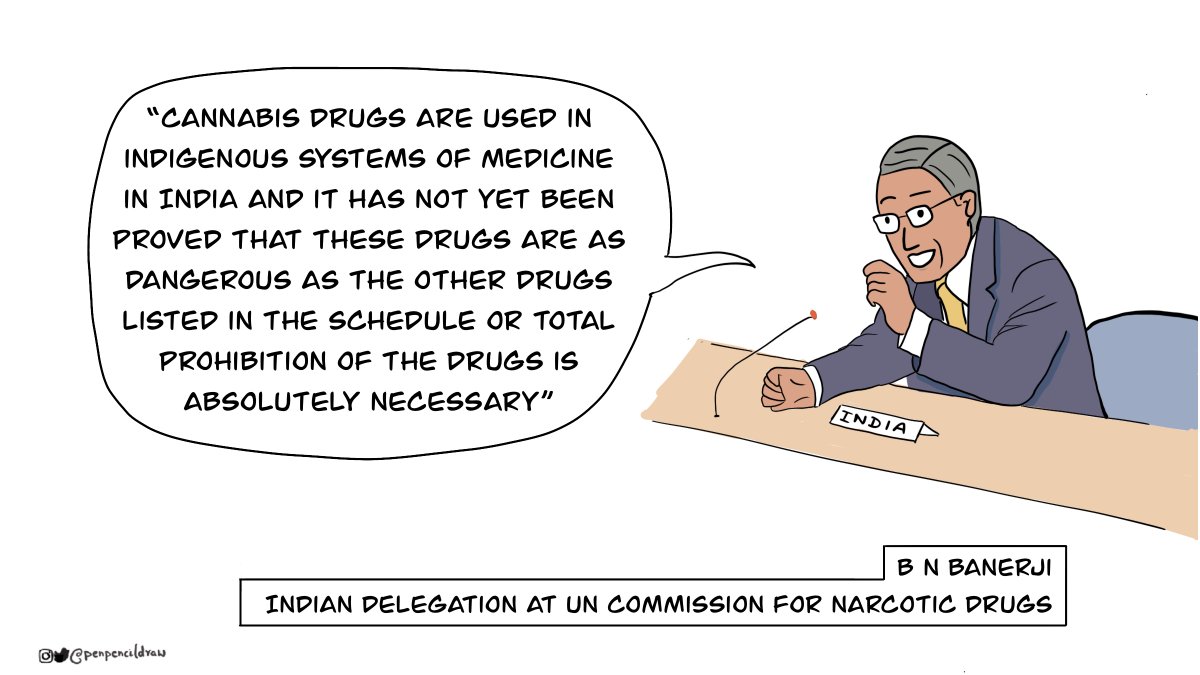
At the UN, the US pushed for an international treaty banning cannabis along with more dangerous drugs. But there was resistance, led by India. https://t.co/EoJ9lw5xHT
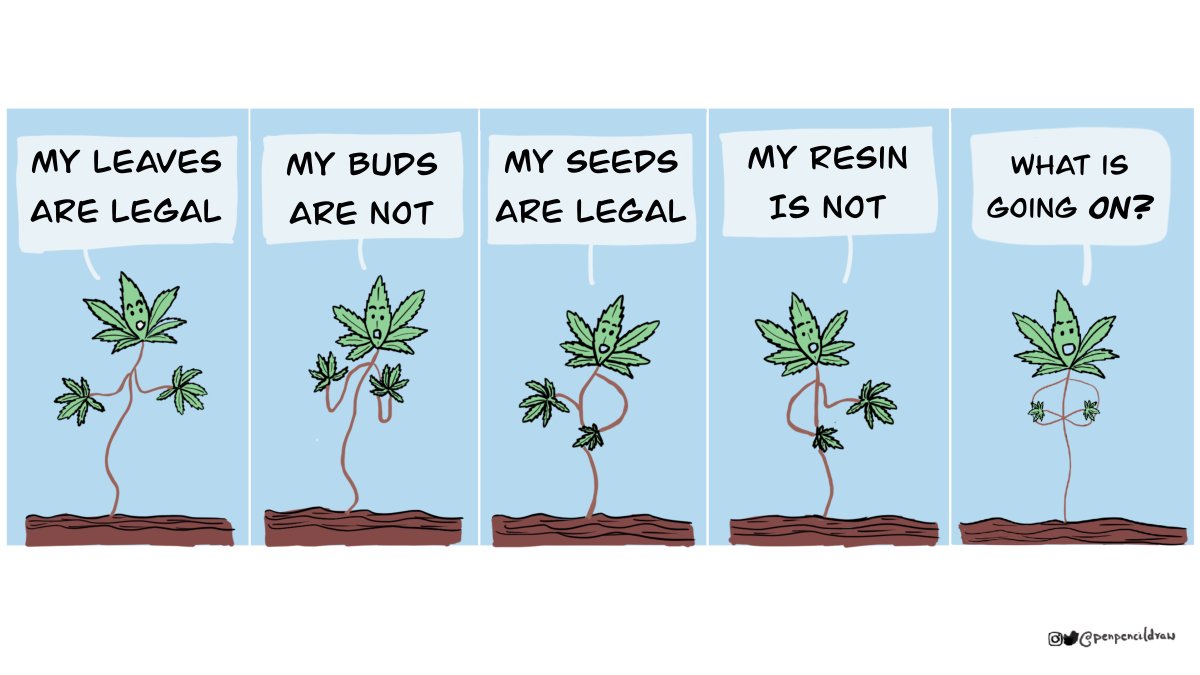
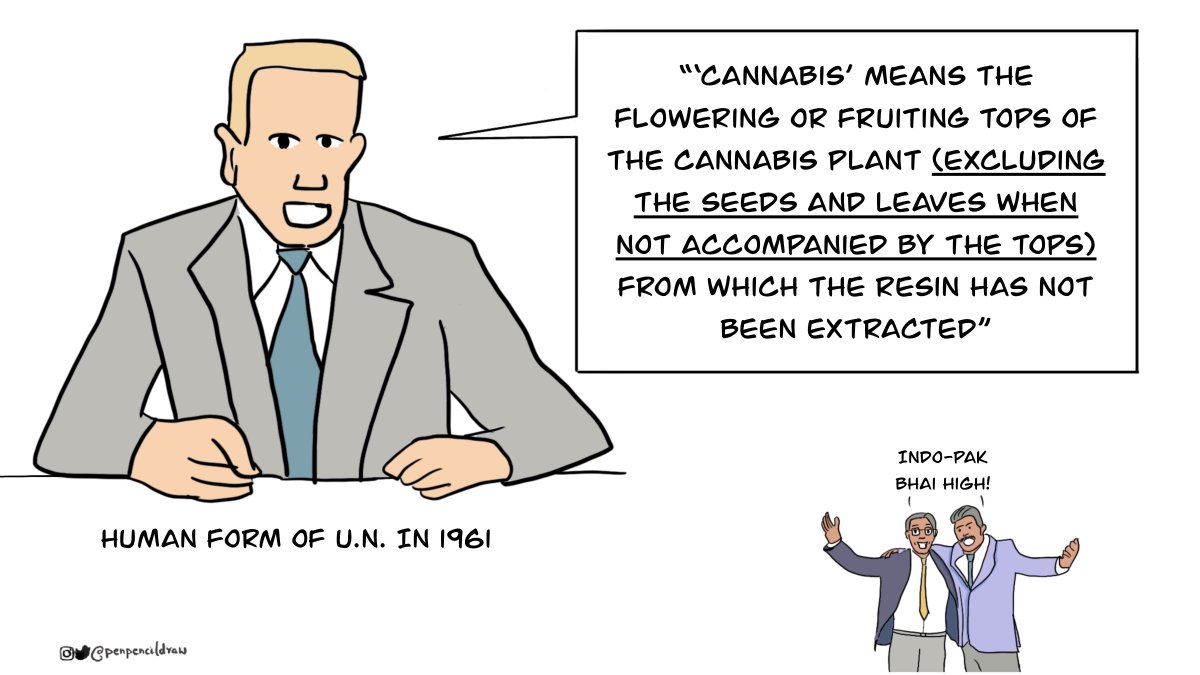
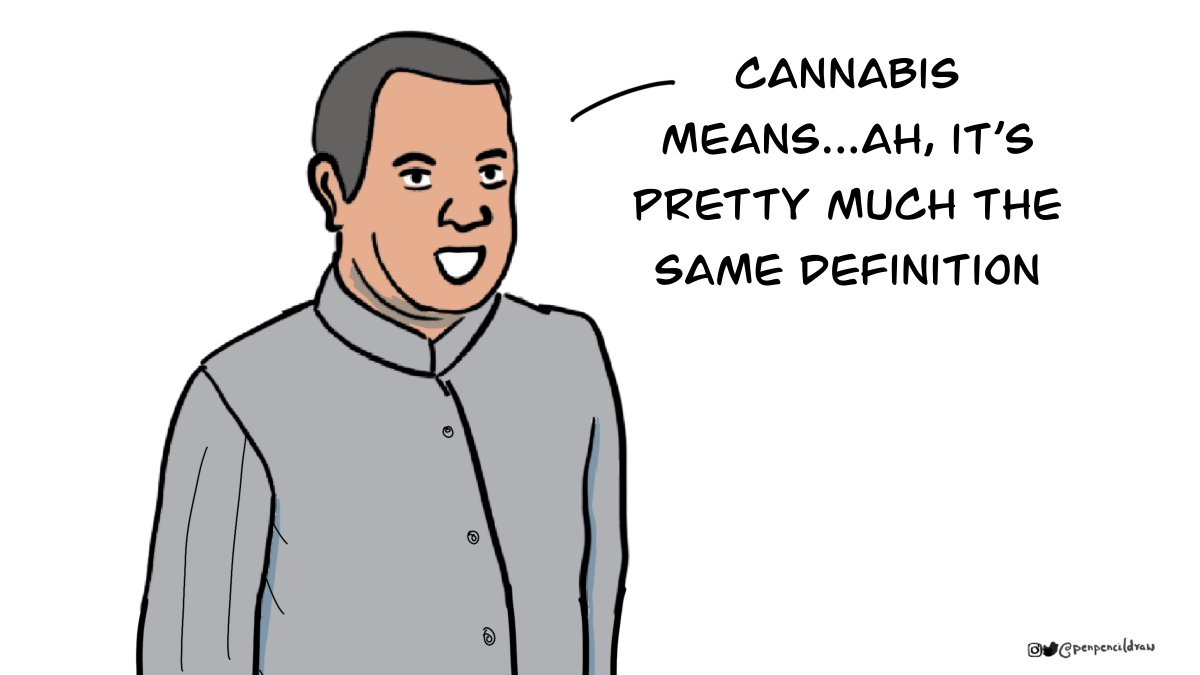
Eventually the UN Single Convention on Narcotic Drugs came about & cannabis was classified with dangerous drugs like heroin. But pressure from countries like India & Pakistan ensured some parts of the plant were protected, and governments were given 25 years to ban other uses.
The US went on to launch an ill-fated ‘war on drugs’. And in 1985, the Rajiv Gandhi government in India passed the Narcotic Drugs and Psychotropic Substances (NDPS) Act.
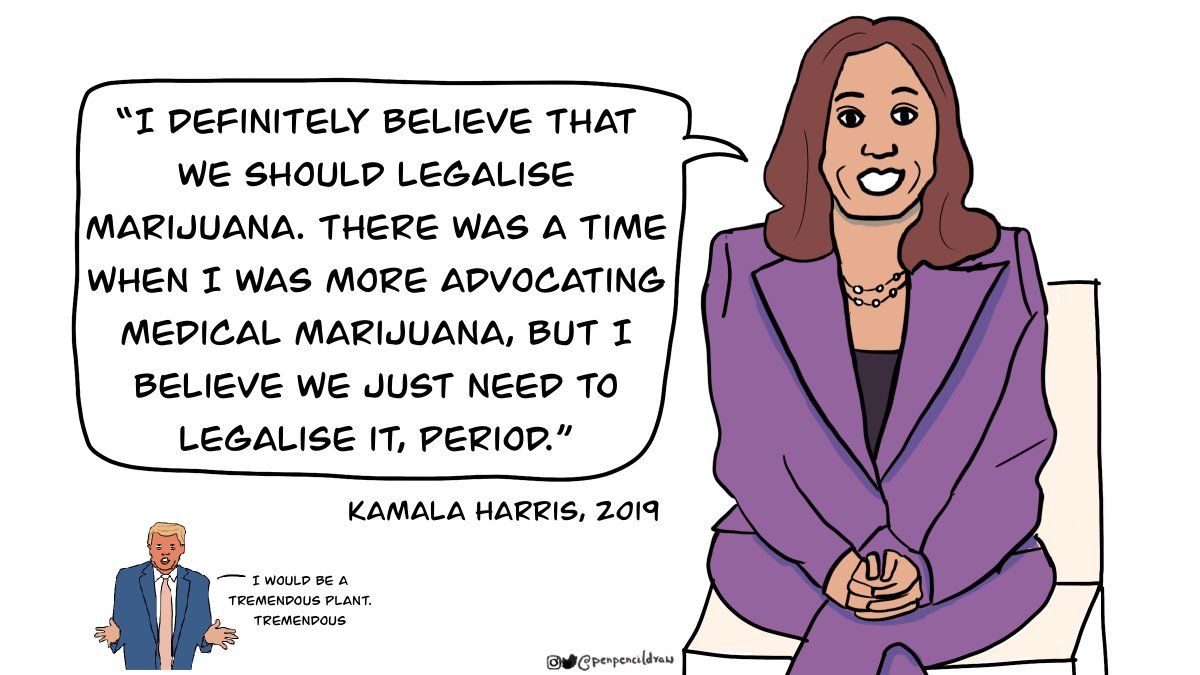
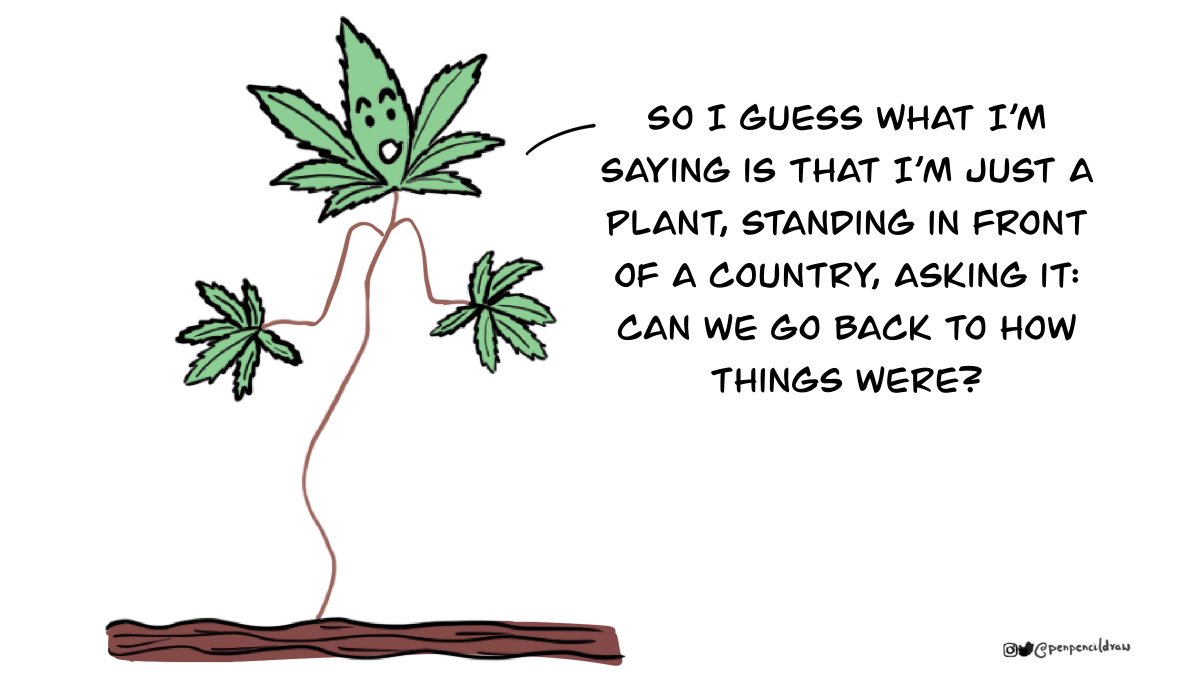
But today, many countries are turning the clock back on cannabis. Medical and recreational marijuana is now legal in several US states and in countries like Canada and South Africa. The US Congress has now passed a bill to decriminalize cannabis.
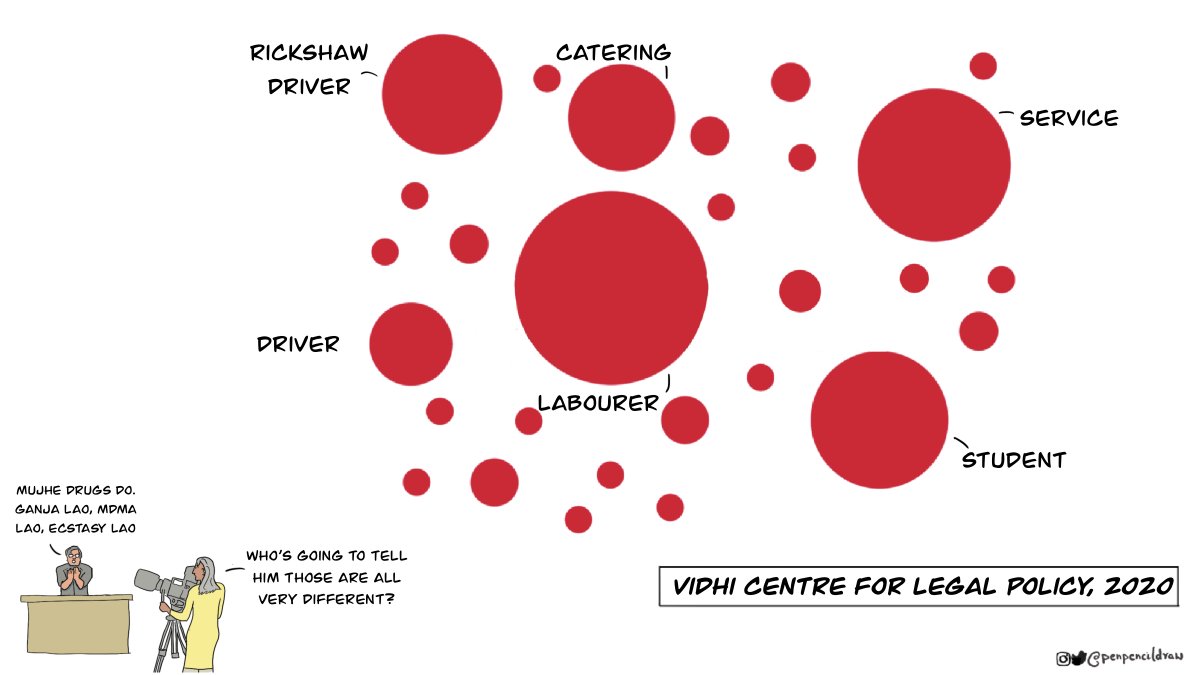
But in India, cannabis is now a villain. In Mumbai, which has the most NDPS arrests in the country, nine out of ten people arrested are not drug barons but cannabis users, most of them slum and street-dwellers. https://t.co/uH8hQrwjFD
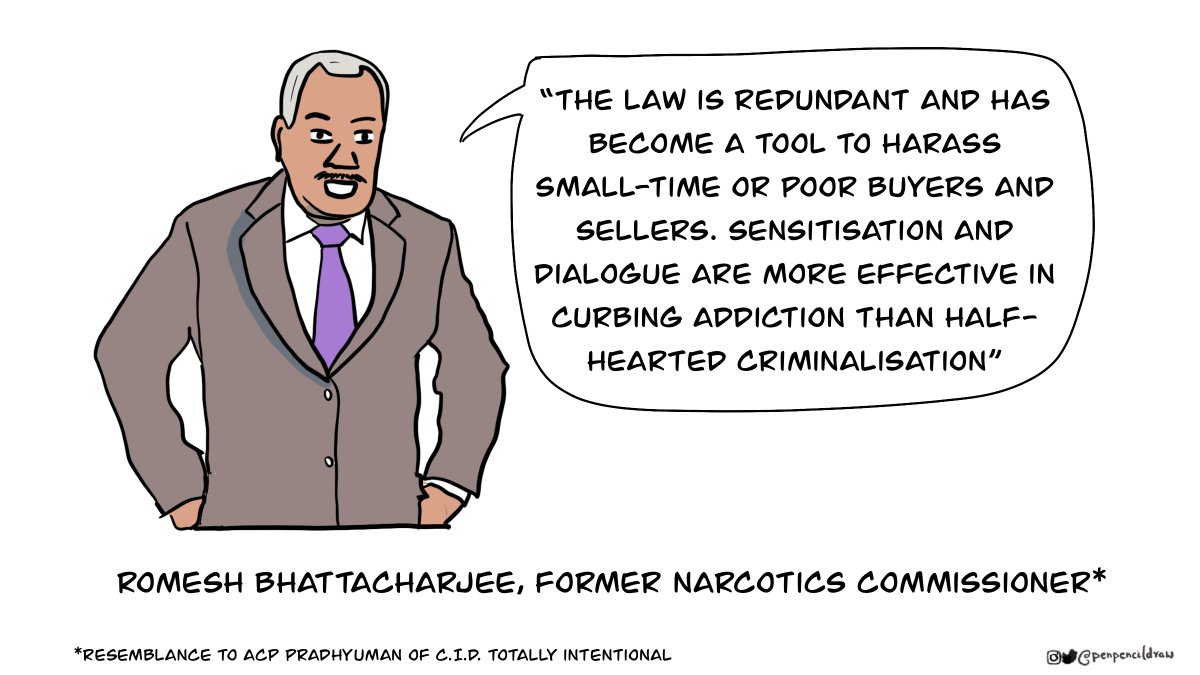
Many experts agree that drug addiction is better treated as a public health issue, and that cannabis should be decriminalized and regulated. https://t.co/sqQO5rUkh5
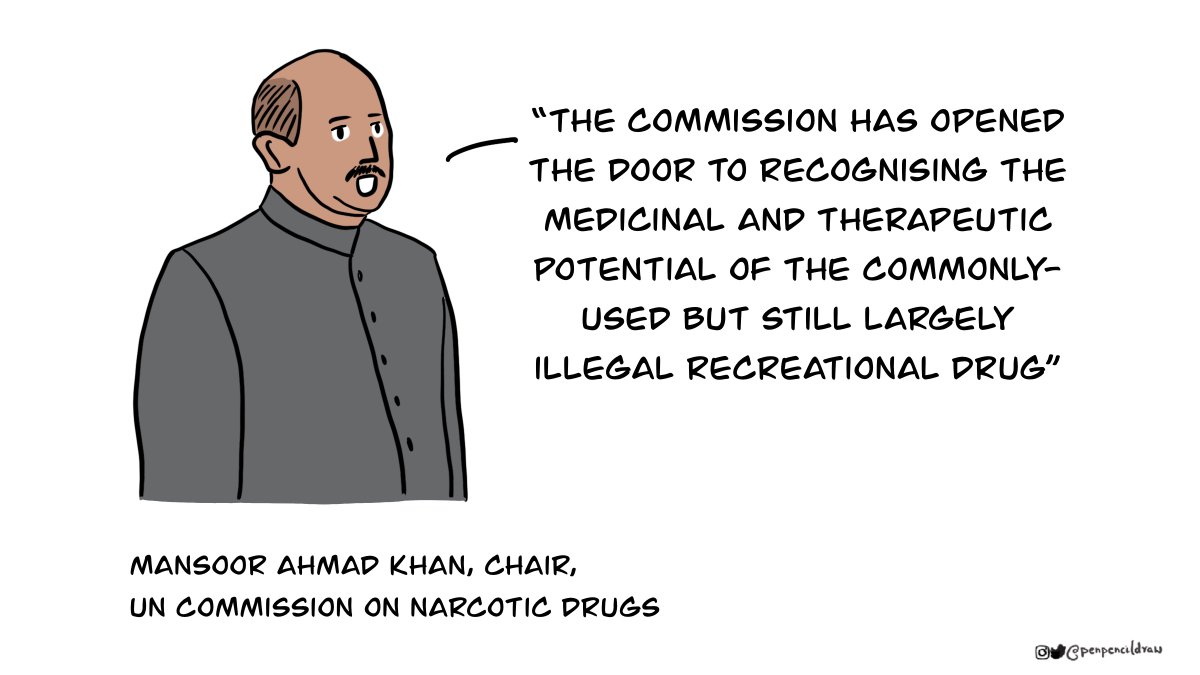
Last week, the UN narcotics commission, based on World Health Organization recommendations, removed cannabis from its list of most dangerous substances. https://t.co/rzvlymrpci
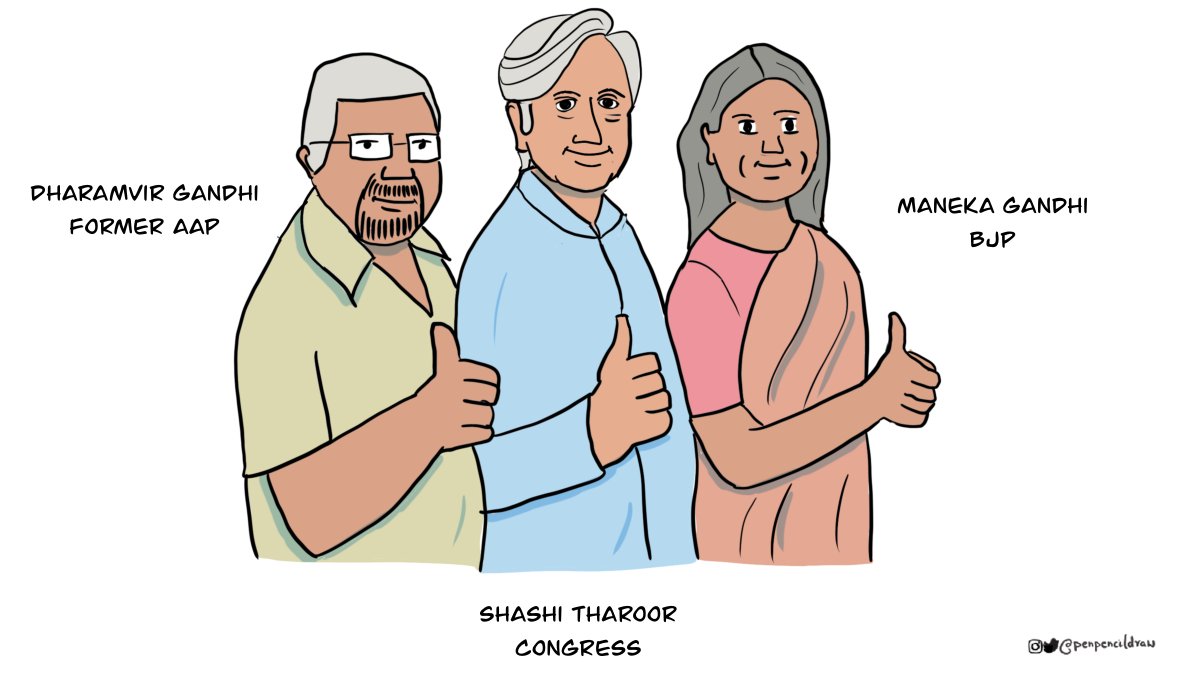
Before India's current crackdown on cannabis, some politicians across parties have said they are in favour of decriminalising and regulating it.
Fin.

You May Also Like

#ज्योतिष_विज्ञान #मंत्र_विज्ञान

ज्योतिषाचार्य अक्सर ग्रहों के दुष्प्रभाव के समाधान के लिए मंत्र जप, अनुष्ठान इत्यादि बताते हैं।

व्यक्ति के जन्म के समय ग्रहों की स्थिति ही उसकी कुंडली बन जाती है जैसे कि फ़ोटो खींच लिया हो और एडिट करना सम्भव नही है। इसे ही "लग्न" कुंडली कहते हैं।


लग्न के समय ग्रहों की इस स्थिति से ही जीवन भर आपको किस ग्रह की ऊर्जा कैसे प्रभावित करेगी का निर्धारिण होता है। साथ साथ दशाएँ, गोचर इत्यादि चलते हैं पर लग्न कुंडली का रोल सबसे महत्वपूर्ण है।


पृथ्वी से अरबों खरबों दूर ये ग्रह अपनी ऊर्जा से पृथ्वी/व्यक्ति को प्रभावित करते हैं जैसे हमारे सबसे निकट ग्रह चंद्रमा जोकि जल का कारक है पृथ्वी और शरीर के जलतत्व पर पूर्ण प्रभाव रखता है।
पूर्णिमा में उछाल मारता समुद्र का जल इसकी ऊर्जा के प्रभाव को दिखाता है।


अमावस्या में ऊर्जा का स्तर कम होने पर वही समुद्र शांत होकर पीछे चला जाता है। जिसे ज्वार-भाटा कहते हैं। इसी तरह अन्य ग्रहों की ऊर्जा के प्रभाव होते हैं जिन्हें यहां समझाना संभव नहीं।
चंद्रमा की ये ऊर्जा शरीर को (अगर खराब है) water retention, बैचेनी, नींद न आना आदि लक्षण दिखाती है


मंत्र क्या हैं-
मंत्र इन ऊर्जाओं के सटीक प्रयोग करने के पासवर्ड हैं। जिनके जप से संबंधित ग्रह की ऊर्जा को जातक की ऊर्जा से कनेक्ट करके उन ग्रहों के दुष्प्रभाव को कम किया और शुभ प्रभाव को बढ़ाया जाता है।
"I lied about my basic beliefs in order to keep a prestigious job. Now that it will be zero-cost to me, I have a few things to say."


We know that elite institutions like the one Flier was in (partial) charge of rely on irrelevant status markers like private school education, whiteness, legacy, and ability to charm an old white guy at an interview.

Harvard's discriminatory policies are becoming increasingly well known, across the political spectrum (see, e.g., the recent lawsuit on discrimination against East Asian applications.)

It's refreshing to hear a senior administrator admits to personally opposing policies that attempt to remedy these basic flaws. These are flaws that harm his institution's ability to do cutting-edge research and to serve the public.

Harvard is being eclipsed by institutions that have different ideas about how to run a 21st Century institution. Stanford, for one; the UC system; the "public Ivys".