So I bought two accounts on your service--one for personal use, and one for business use. Please react, large companies!
More from Corey Quinn



More from Business

The American business community is speaking with a unified voice - NAM called to invoke the 25th Amendment; the Business Roundtable and Chambers of Commerce urge a peaceful transition of power; all have denounced last week's violence. What might this mean? A few implications:
1/
This isn't just PR - bad politics is bad for business. Here, the Harvard Business Review makes the business case for democracy (leading essay by
Historically, business has been a crucial ally for democracy. Mark Mizruchi shows how business helped secure democracy after WII, through organizations like the Committee for Economic Development (see also his @NiskanenCenter paper: https://t.co/xoqUUN1nCD)
3/
My book examines how business groups formed to lobby against patronage and corruption, and in favor of institutional reform, in the 19th c. (https://t.co/FnNhZUupBG)
For a summary of business’s role in American democracy over the 20th century, see
Today, corporations are cutting off PAC $$ — Wall St banks (JPMorgan Chase, Goldman Sachs, CitiGroup), big tech (Microsoft, Facebook). Many more corps have suspended donations to members of Congress who contested the certification of election results last week
5/
1/
This isn't just PR - bad politics is bad for business. Here, the Harvard Business Review makes the business case for democracy (leading essay by
Historically, business has been a crucial ally for democracy. Mark Mizruchi shows how business helped secure democracy after WII, through organizations like the Committee for Economic Development (see also his @NiskanenCenter paper: https://t.co/xoqUUN1nCD)
3/
My book examines how business groups formed to lobby against patronage and corruption, and in favor of institutional reform, in the 19th c. (https://t.co/FnNhZUupBG)
For a summary of business’s role in American democracy over the 20th century, see
Today, corporations are cutting off PAC $$ — Wall St banks (JPMorgan Chase, Goldman Sachs, CitiGroup), big tech (Microsoft, Facebook). Many more corps have suspended donations to members of Congress who contested the certification of election results last week
5/


Introducing "The Balloon Effect"
Many businesses & creators have experienced a similar pattern of success.
From @MrBeastYT and @MorningBrew to @oatly and @Rovio.
Let's break down what "The Balloon Effect" is and examples of it in real life.
Keep reading 👇
1/ What is "The Balloon Effect"?
It is a particular pattern of growth.
It is not Instagram's growth trajectory.
It is not https://t.co/5axsTUKek6's growth trajectory.
"The Balloon Effect" is defined by several years of hard work & grit complemented by slow, linear growth.
2/ And then one day, one month, or one quarter...everything changes.
A business hits a tipping point and its trajectory shifts entirely.
Gradual growth turns to exponential growth & your brand and your size explode.
Like a step function.
3/ Now, you're probably wondering.
Why is it called "The Balloon Effect"?
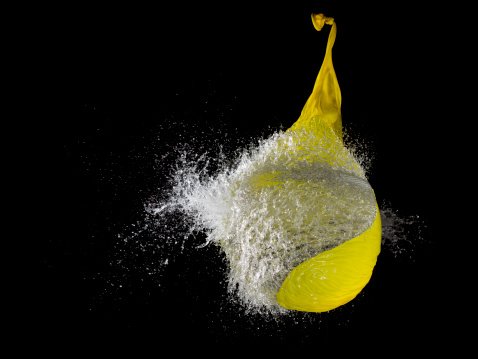
Because filling/popping a water balloon follows the exact pattern I just described (and so many businesses experience).
Long unsexy slog 👉 Exponential tipping point.
4/ Initially, you turn on the faucet & water takes up space in the empty balloon.
Through effort you open the faucet, yet the results are unexciting.
But it's what must be done for water (or growth) to happen at all.
It's not sexy, but it's necessary.
Many businesses & creators have experienced a similar pattern of success.
From @MrBeastYT and @MorningBrew to @oatly and @Rovio.
Let's break down what "The Balloon Effect" is and examples of it in real life.
Keep reading 👇
1/ What is "The Balloon Effect"?
It is a particular pattern of growth.
It is not Instagram's growth trajectory.
It is not https://t.co/5axsTUKek6's growth trajectory.
"The Balloon Effect" is defined by several years of hard work & grit complemented by slow, linear growth.
2/ And then one day, one month, or one quarter...everything changes.
A business hits a tipping point and its trajectory shifts entirely.
Gradual growth turns to exponential growth & your brand and your size explode.
Like a step function.
3/ Now, you're probably wondering.
Why is it called "The Balloon Effect"?
Because filling/popping a water balloon follows the exact pattern I just described (and so many businesses experience).
Long unsexy slog 👉 Exponential tipping point.
4/ Initially, you turn on the faucet & water takes up space in the empty balloon.
Through effort you open the faucet, yet the results are unexciting.
But it's what must be done for water (or growth) to happen at all.
It's not sexy, but it's necessary.


You May Also Like


#sculpture #story -
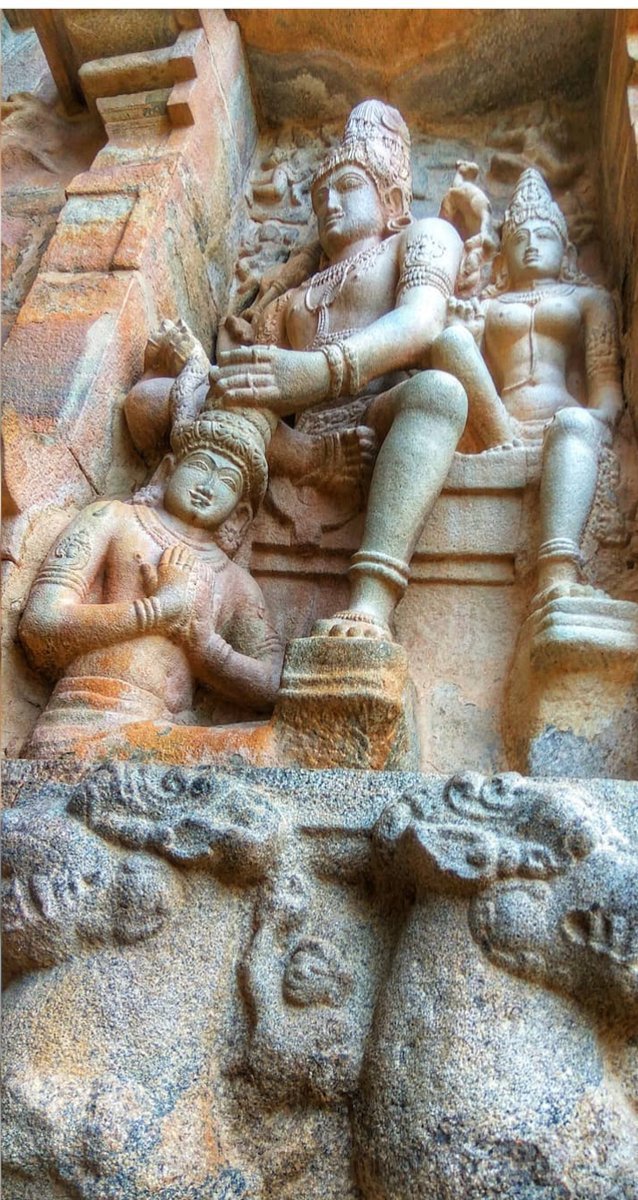
Chandesha-Anugraha Murti - One of the Sculpture in Brihadeshwara Temple at Gangaikonda Cholapuram - built by Raja Rajendra Chola I
This Sculpture depicts Bhagwan Shiva along with Devi Paravathi blessing Chandeshwara - one of the 63 Nayanmars.
#Thread
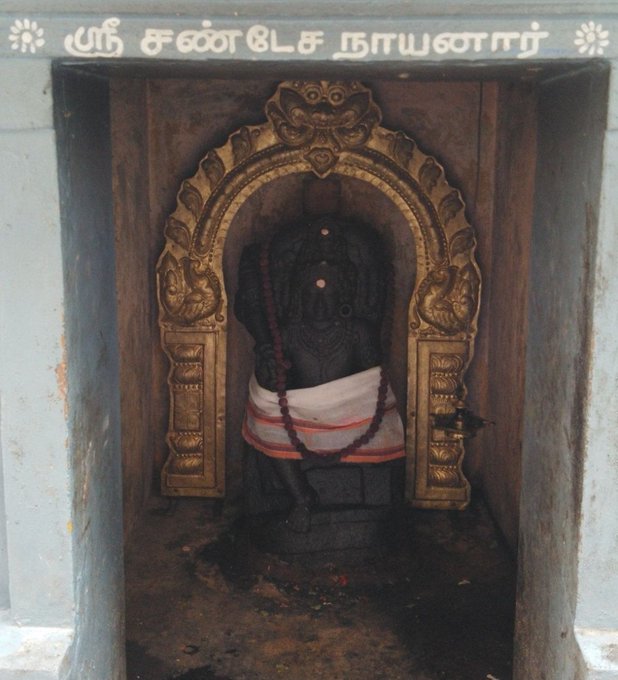
Chandeshwara/Chandikeshwara is regarded as custodian of Shiva Temple's wealth&most of Shiva temples in South India has separate sannathi for him.
His bhakti for Bhagwan Shiva elevated him as one of foremost among Nayanmars.
He gave importance to Shiva Pooja&protection of cows.
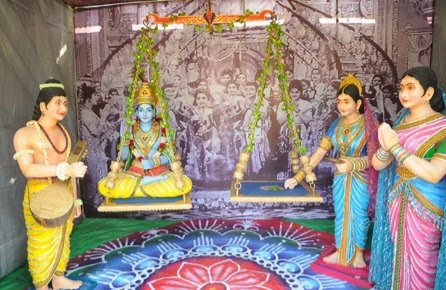
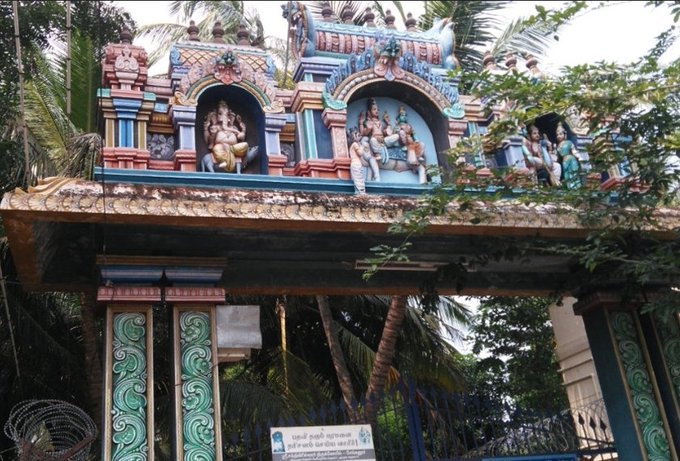
There are series of paintings, illustrating the #story of Chandikeshwar in the premises of
Sri Sathiyagireeswarar #Temple at Seinganur,near Kumbakonam,TN
Chandikeshwara's birth name
is Vichara sarman.He was born in the village of Senganur on the banks of River Manni.
His Parent names were Yajnathatan and Pavithrai.
Vichara Sarman was a gifted child and he learnt Vedas and Agamas at a very young age.
He was very devout and would always think about Bhagwan Shiva.
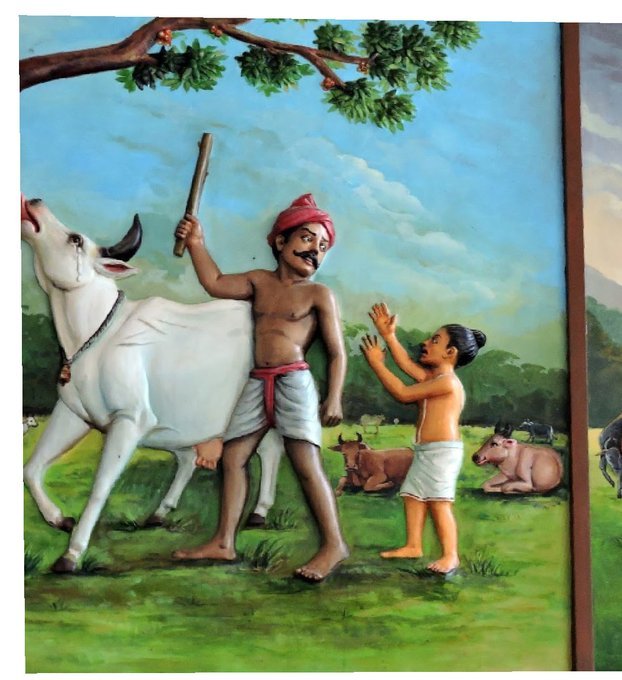
One day he saw a cowherd man brutally assaulting a cow,Vichara Sarman could not tolerate this. He spoke to cowherd: ‘Do you not know that the cow is worshipful & divine? All gods & Devas reside in https://t.co/ElLcI5ppsK it is our duty to protect cows &we should not to harm them.
Chandesha-Anugraha Murti - One of the Sculpture in Brihadeshwara Temple at Gangaikonda Cholapuram - built by Raja Rajendra Chola I
This Sculpture depicts Bhagwan Shiva along with Devi Paravathi blessing Chandeshwara - one of the 63 Nayanmars.
#Thread
Chandeshwara/Chandikeshwara is regarded as custodian of Shiva Temple's wealth&most of Shiva temples in South India has separate sannathi for him.
His bhakti for Bhagwan Shiva elevated him as one of foremost among Nayanmars.
He gave importance to Shiva Pooja&protection of cows.
There are series of paintings, illustrating the #story of Chandikeshwar in the premises of
Sri Sathiyagireeswarar #Temple at Seinganur,near Kumbakonam,TN
Chandikeshwara's birth name
is Vichara sarman.He was born in the village of Senganur on the banks of River Manni.
His Parent names were Yajnathatan and Pavithrai.
Vichara Sarman was a gifted child and he learnt Vedas and Agamas at a very young age.
He was very devout and would always think about Bhagwan Shiva.
One day he saw a cowherd man brutally assaulting a cow,Vichara Sarman could not tolerate this. He spoke to cowherd: ‘Do you not know that the cow is worshipful & divine? All gods & Devas reside in https://t.co/ElLcI5ppsK it is our duty to protect cows &we should not to harm them.