A thread about China ’s Unmanned Ground Vehicle (UGV), and how will it change the PLA amphibious warfare tactics

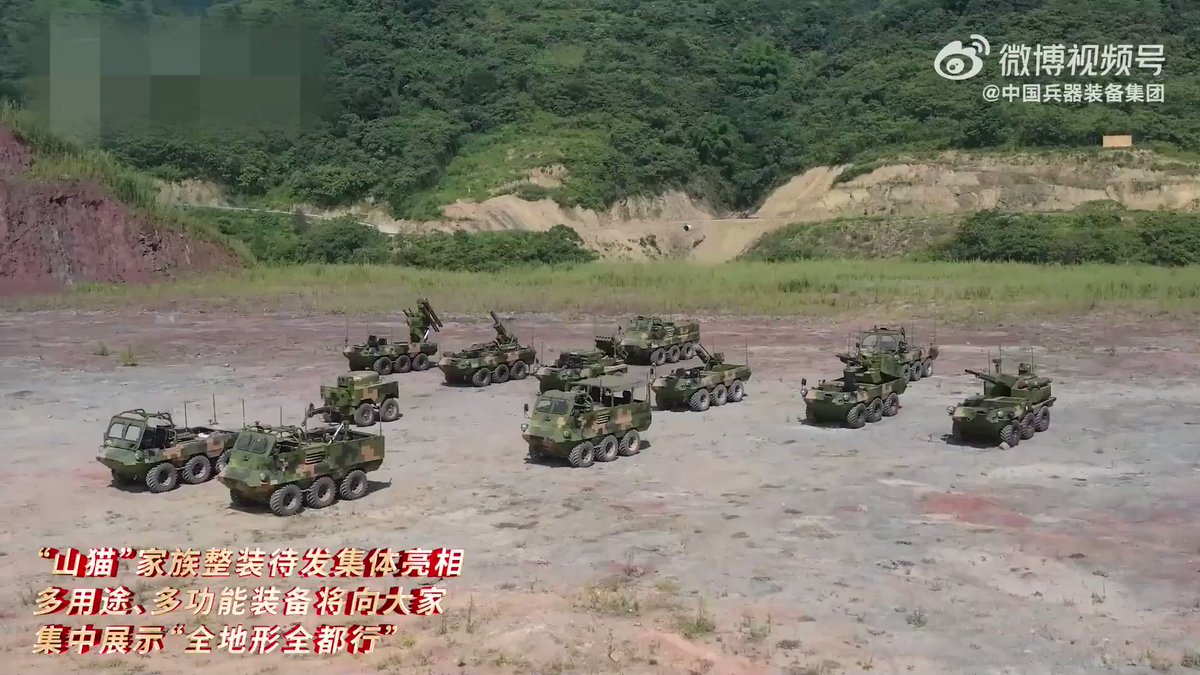
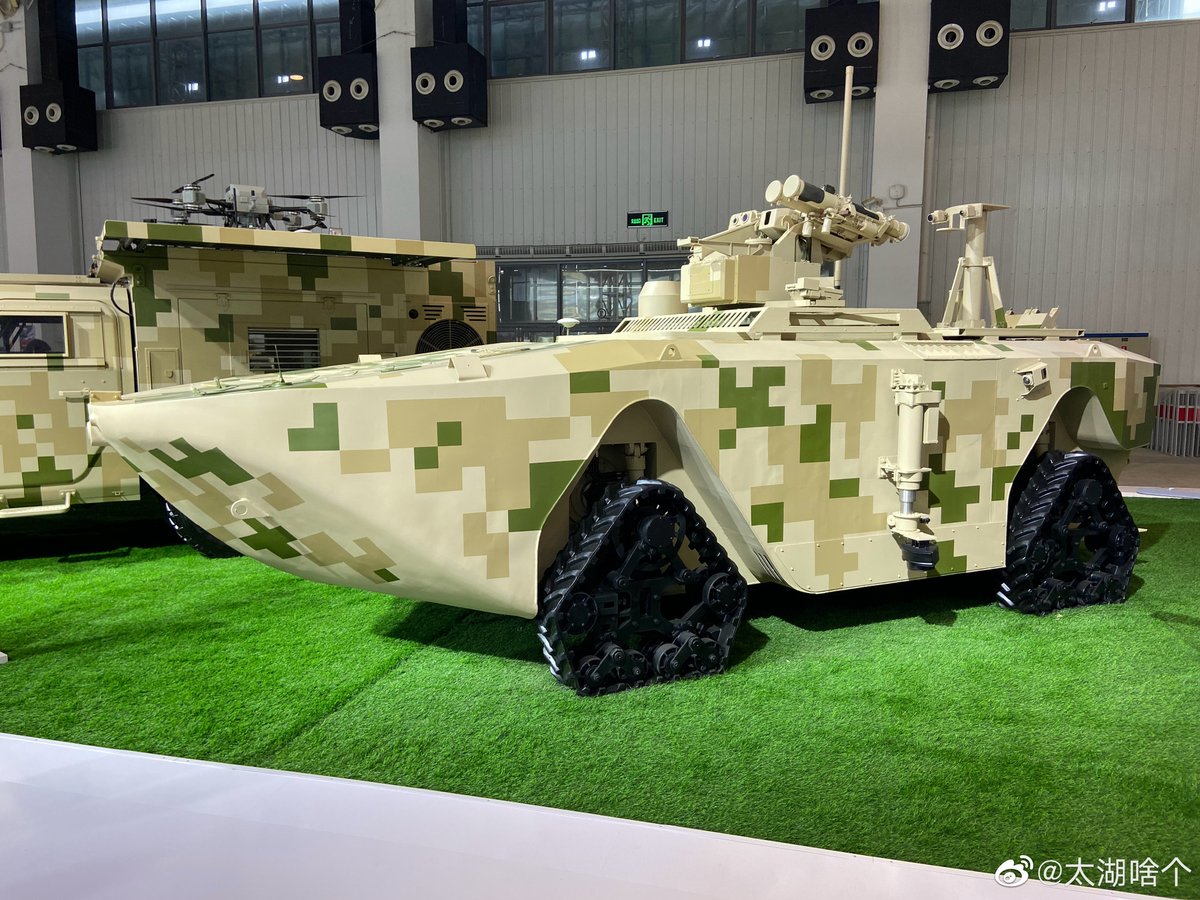
During the Zhuhai air show, an UGV was on display, it didn’t have a designated name

But its inconspicuous nature hides a revolution…🧵

This particular UGV can retract its tracks, allowing it to travel on water like a speedboat

On land, its 4 articulated tracks can climb steep angles and clear obstacles

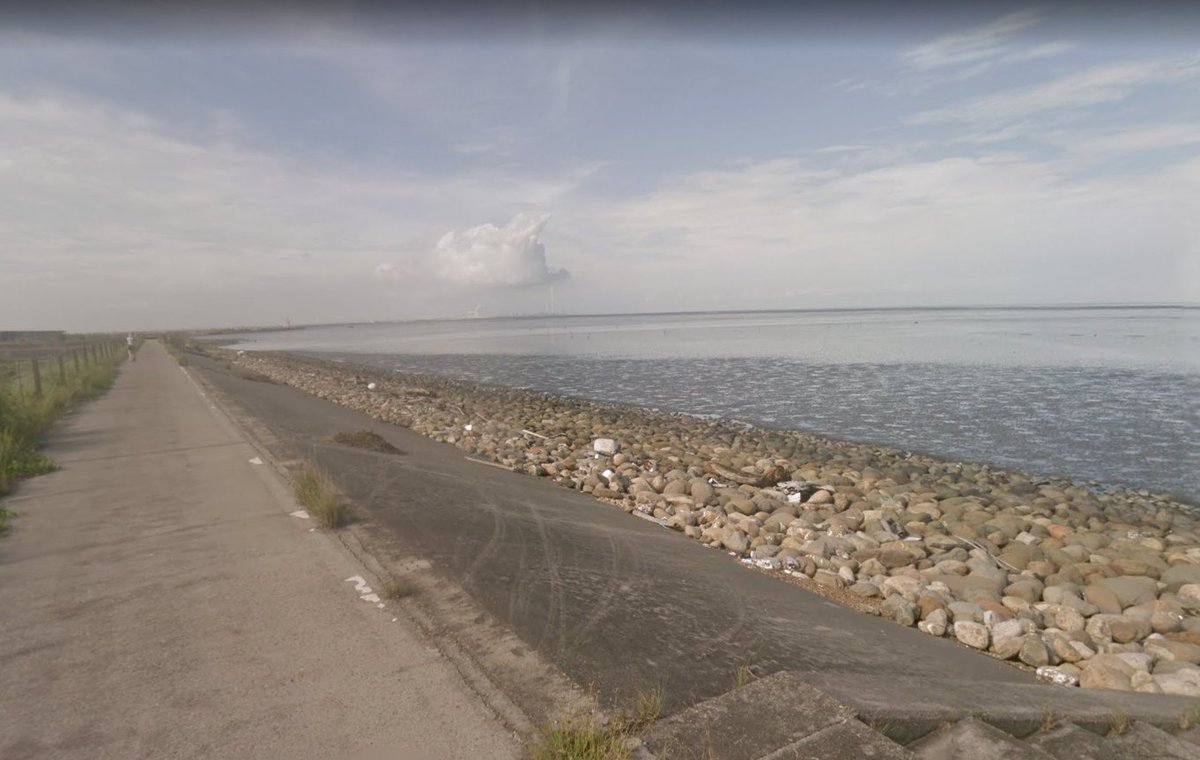
Very useful when you need to climb seawalls with a 40 degree slant
When operational, UGVs like these can prove revolutionary for the PLA Marine Corps (PLAMC)

On the surface, UGVs simply lowers the casualties, so what's so special about it?

The key, is that it lowers the threshold for greenlighting an amphibious landing
The PLAMC Combined Arms Brigade (CA-BDE) is the most basic combat unit, made up of 6000men

Containing combat modules of Battalions

A Brigade commander during the battle planning process would pick and choose these modules (Battalions) and combine them into “Combat Groups”
One of the first decisions to make at the strategic level, during an amphibious operation

Is to chose whether to starve the island out through a naval+air blockade, if naval supremacy is achieved, then success is guaranteed

But it risks outside powers from intervening
The other option, is to simultaneously launch a naval+air blockade, as well as an amphibious landing operation

More risky but faster results
An unique aspect of amphibious warfare, is the inability for the attacking side to retreat

Nor do they have any depth to their offensive zones (designated area where friendly troops can maneuver)

So they are exposed to enemy artillery fire and vulnerable to counterattacks
So, by having the first waves of the landing be spearheaded by UGVs, it lowers the threshold for greenlighting an amphibious operation

Expendable machines means less political backlash too, especially when wars are broadcasted live on twitter
A typical PLAMC amphibious landing operation, comes in 4 steps

Step 1, air & artillery preparatory fire

Step 2, Screening Force lands, acting as the eyes of the CA-BDE and secure beachheads

Map below number 1 are the Screening Force, made up of armored reconnaissance companies
The Screening Forces will utilize UGVs the most

Step 3, will be the Frontline Attack Groups coming ashore

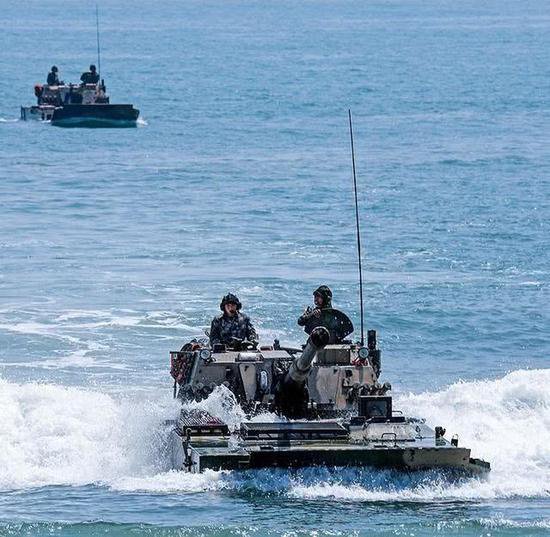
They are usually amphibious armored battalions and assault gun companies, based around the Type-05 amphibious tank
The Frontline Attack Groups are there to engage the enemy head-on, creating gaps within the enemy line

Step 4, will be the Depth Attack Group, they are task with penetrating the gaps created by the Frontline Attack Groups
Once enough depth is created in your offensive zones, then you have more room to cushion against a possible counterattack (CATK)
Once a strong foothold is gained, and port facilities nearby taken

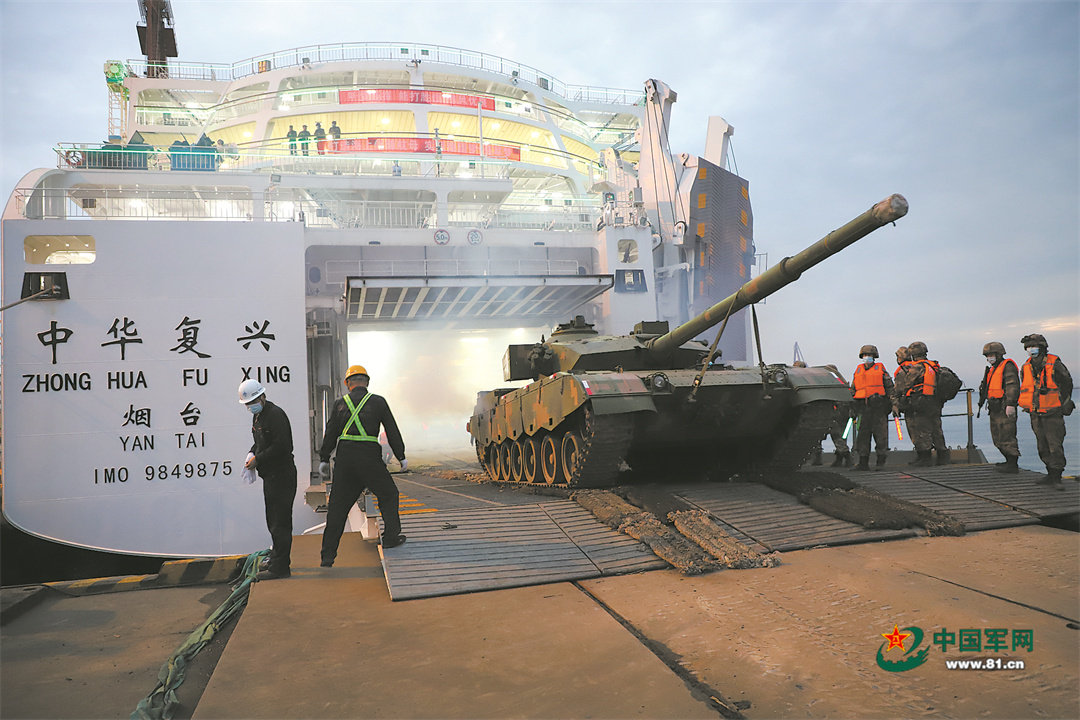
Then the heavy Combined Arms Brigade CA-BDEs will be sent in via Roll-on/ Roll-off ships
All of that won't happen, unless the commander is confident, the first waves of the Screening Forces can withstand high casualties

A problem solved by the expendable nature of UGVs

This is a classic example of a disruptive technology, upending the classical convention of war
As autonomous driving technology develops, a large portion of the amphibious combat groups will be replaced by UGVs

Wars are decided by the industrial capacity of each sides

Isolated islands, who depends on outside resources, will become even easier targets

More from All

https://t.co/6cRR2B3jBE
Viruses and other pathogens are often studied as stand-alone entities, despite that, in nature, they mostly live in multispecies associations called biofilms—both externally and within the host.

https://t.co/FBfXhUrH5d


Microorganisms in biofilms are enclosed by an extracellular matrix that confers protection and improves survival. Previous studies have shown that viruses can secondarily colonize preexisting biofilms, and viral biofilms have also been described.


...we raise the perspective that CoVs can persistently infect bats due to their association with biofilm structures. This phenomenon potentially provides an optimal environment for nonpathogenic & well-adapted viruses to interact with the host, as well as for viral recombination.


Biofilms can also enhance virion viability in extracellular environments, such as on fomites and in aquatic sediments, allowing viral persistence and dissemination.

You May Also Like

THE MEANING, SIGNIFICANCE AND HISTORY OF SWASTIK

The Swastik is a geometrical figure and an ancient religious icon. Swastik has been Sanatan Dharma’s symbol of auspiciousness – mangalya since time immemorial.


The name swastika comes from Sanskrit (Devanagari: स्वस्तिक, pronounced: swastik) &denotes “conducive to wellbeing or auspicious”.
The word Swastik has a definite etymological origin in Sanskrit. It is derived from the roots su – meaning “well or auspicious” & as meaning “being”.


"सु अस्ति येन तत स्वस्तिकं"
Swastik is de symbol through which everything auspicios occurs

Scholars believe word’s origin in Vedas,known as Swasti mantra;

"🕉स्वस्ति ना इन्द्रो वृधश्रवाहा
स्वस्ति ना पूषा विश्ववेदाहा
स्वस्तिनास्तरक्ष्यो अरिश्तनेमिही
स्वस्तिनो बृहस्पतिर्दधातु"


It translates to," O famed Indra, redeem us. O Pusha, the beholder of all knowledge, redeem us. Redeem us O Garudji, of limitless speed and O Bruhaspati, redeem us".

SWASTIK’s COSMIC ORIGIN

The Swastika represents the living creation in the whole Cosmos.


Hindu astronomers divide the ecliptic circle of cosmos in 27 divisions called
https://t.co/sLeuV1R2eQ this manner a cross forms in 4 directions in the celestial sky. At centre of this cross is Dhruva(Polestar). In a line from Dhruva, the stars known as Saptarishi can be observed.