I run a $200K/year one-person online business.

Here are 7 useful no-code tools:

1/ Znaplink

@znaplink gives you a beautiful bio link website to add to your social media profile.

It's great for sharing links to your top products, new content and your social links.
2/ Gumroad

@gumroad is the easiest way to sell digital products.

Anyone can create a free account and start selling online even without a website or domain.
3/ Notion

@NotionHQ is an all-in-one organizer for work & life.

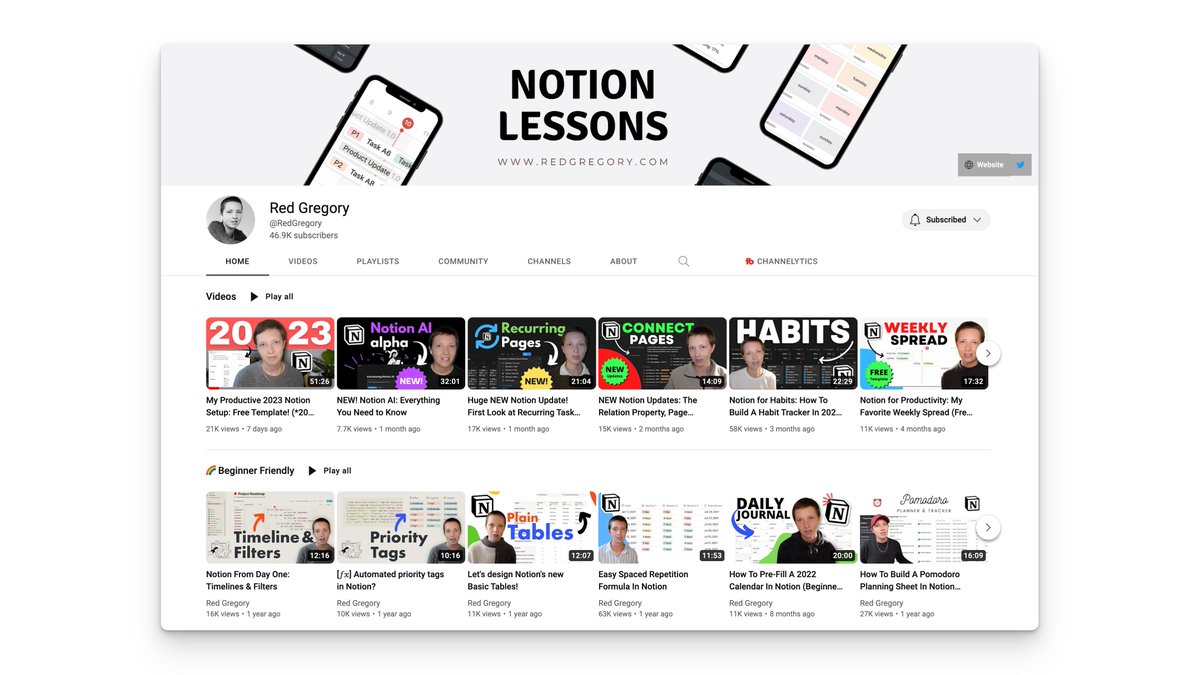
You can create a custom digital workspace for projects, note-taking, swipe files, content calendar, CRM, and more.,
4/ Typedream

@typedreamHQ is the fastest website builder I've ever tried.

You don't need any background in coding or design to build beautiful websites for your product or startup.
5/ Tango

@Tango_HQ is a time-saver for documentation and walkthroughs.

It automatically create beautiful screenshots as you execute the process or perform a demo.
6/ Capcut

@capcutapp makes video editing accesible to all.

It is a free powerful video editor for editing YouTube videos or short form content for TikTok and Instagram.
7/ Tweethunter

@TweetHunterIO is your tool for publishing on Twitter.

It does everything from providing tweet analytics, tweet inspiration, AI writer, CRM and more.
That's it!

If you enjoyed this thread:

Follow me @heyeaslo for more.

Join 12K+ entrepreneurs in my newsletter below:
https://t.co/EHp4hCMNEG
Looking to save money on business tools & softwares?

Discover the latest deals below:
https://t.co/97wKK6SVQw #ad

More from Easlo

Twitter is free university.

But 98.8% missed out on the best content on this platform.

Here are the best threads from this month:

Topic: Turn Twitter into a crazy valuable


Topic: Easy trick for telling better


Topic: How to Create More


Topic: 20 things about building a

More from All

How can we use language supervision to learn better visual representations for robotics?

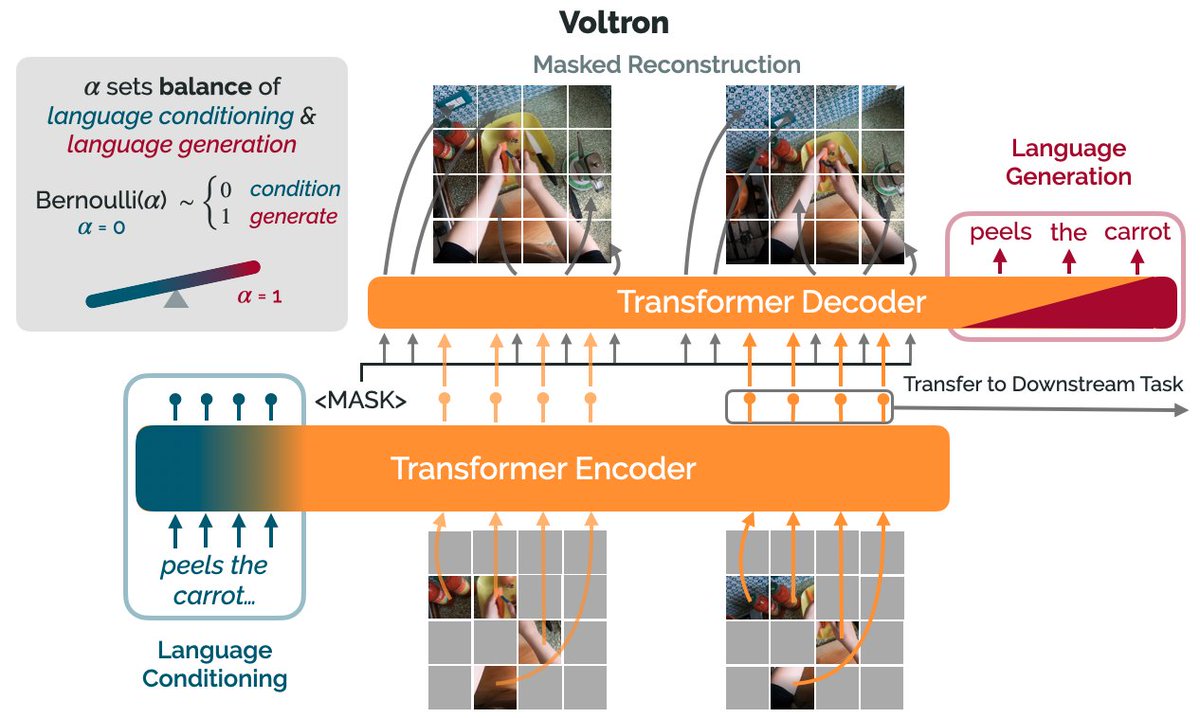
Introducing Voltron: Language-Driven Representation Learning for Robotics!

Paper: https://t.co/gIsRPtSjKz
Models: https://t.co/NOB3cpATYG
Evaluation: https://t.co/aOzQu95J8z

🧵👇(1 / 12)


Videos of humans performing everyday tasks (Something-Something-v2, Ego4D) offer a rich and diverse resource for learning representations for robotic manipulation.

Yet, an underused part of these datasets are the rich, natural language annotations accompanying each video. (2/12)

The Voltron framework offers a simple way to use language supervision to shape representation learning, building off of prior work in representations for robotics like MVP (
https://t.co/Pb0mk9hb4i) and R3M (https://t.co/o2Fkc3fP0e).

The secret is *balance* (3/12)

Starting with a masked autoencoder over frames from these video clips, make a choice:

1) Condition on language and improve our ability to reconstruct the scene.

2) Generate language given the visual representation and improve our ability to describe what's happening. (4/12)

By trading off *conditioning* and *generation* we show that we can learn 1) better representations than prior methods, and 2) explicitly shape the balance of low and high-level features captured.

Why is the ability to shape this balance important? (5/12)

You May Also Like