
According to the Vayu Purāņa (2.38.141-142), udaka (and its Sanskrit synonyms vāri, vṛṣți, ambhas, arṇava and apa) is the fuel that the Sun
The mechanism of solar energy generation
Fuel that tha sun uses to produce energy according ved..
How scientists understand the term of the veda?
Why we should read veda,puran? If we r students of science ?
#Thread
#science

According to the Vayu Purāņa (2.38.141-142), udaka (and its Sanskrit synonyms vāri, vṛṣți, ambhas, arṇava and apa) is the fuel that the Sun
nāvṛṣṭyā tapate sūryo nāvṛṣṭyā pariviṣyate
nāvṛṣṭya paricinvanti vāriņā dīpyate raviḥ
tasmādapaḥ piban ya vai dipyate ravirambare
It is said that hydrogen (udaka) is the source of the Sun's heat. When there is a
These verses are also found in the Visņu, Brahmaṇḍa, Kurma and other
(1) Since the Purāņas recognized that the Sun maintains an enormous energy output for billions of years, it is clear that the
(2) The Puranic date for the formation of the Sun is stunningly accurate (as shown in previous sections).
(3) The Purāṇas accurately describe the Sun's future expansion into a Red Giant and its ejection of
(4) The Greek word "hydro" means water and the Greek word "gen" means generates. Since the modern English word hydrogen is linguistically so close to water, it is not surprising that Sanskrit uses the same word for water and hydrogen.
More from तहक्षी™


More from All





You May Also Like


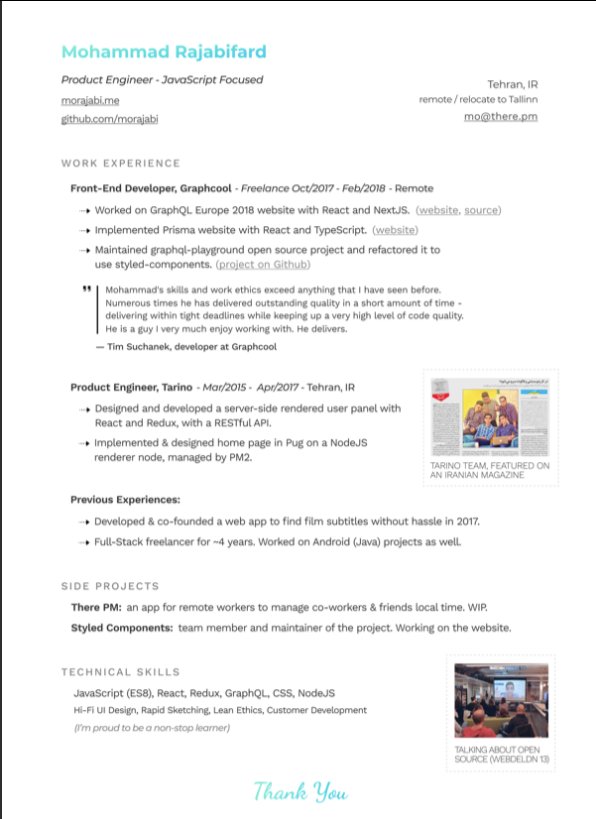
👨💻 Last resume I sent to a startup one year ago, sharing with you to get ideas:
- Forget what you don't have, make your strength bold
- Pick one work experience and explain what you did in detail w/ bullet points
- Write it towards the role you apply
- Give social proof
/thread
"But I got no work experience..."
Make a open source lib, make a small side project for yourself, do freelance work, ask friends to work with them, no friends? Find friends on Github, and Twitter.
Bonus points:
- Show you care about the company: I used the company's brand font and gradient for in the resume for my name and "Thank You" note.
- Don't list 15 things and libraries you worked with, pick the most related ones to the role you're applying.
-🙅♂️"copy cover letter"
"I got no firends, no work"
One practical way is to reach out to conferences and offer to make their website for free. But make sure to do it good. You'll get:
- a project for portfolio
- new friends
- work experience
- learnt new stuff
- new thing for Twitter bio
If you don't even have the skills yet, why not try your chance for @LambdaSchool? No? @freeCodeCamp. Still not? Pick something from here and learn https://t.co/7NPS1zbLTi
You'll feel very overwhelmed, no escape, just acknowledge it and keep pushing.
- Forget what you don't have, make your strength bold
- Pick one work experience and explain what you did in detail w/ bullet points
- Write it towards the role you apply
- Give social proof
/thread
"But I got no work experience..."
Make a open source lib, make a small side project for yourself, do freelance work, ask friends to work with them, no friends? Find friends on Github, and Twitter.
Bonus points:
- Show you care about the company: I used the company's brand font and gradient for in the resume for my name and "Thank You" note.
- Don't list 15 things and libraries you worked with, pick the most related ones to the role you're applying.
-🙅♂️"copy cover letter"
"I got no firends, no work"
One practical way is to reach out to conferences and offer to make their website for free. But make sure to do it good. You'll get:
- a project for portfolio
- new friends
- work experience
- learnt new stuff
- new thing for Twitter bio
If you don't even have the skills yet, why not try your chance for @LambdaSchool? No? @freeCodeCamp. Still not? Pick something from here and learn https://t.co/7NPS1zbLTi
You'll feel very overwhelmed, no escape, just acknowledge it and keep pushing.


