When I said I hate Worldbuilding I mostly meant the trap of making up facts and never actually writing a story. How do you beat the trap?
Just learn how to tell a story. Don’t fear structure. Commit yourself to it.
Here are some resources I like for studying story structure.

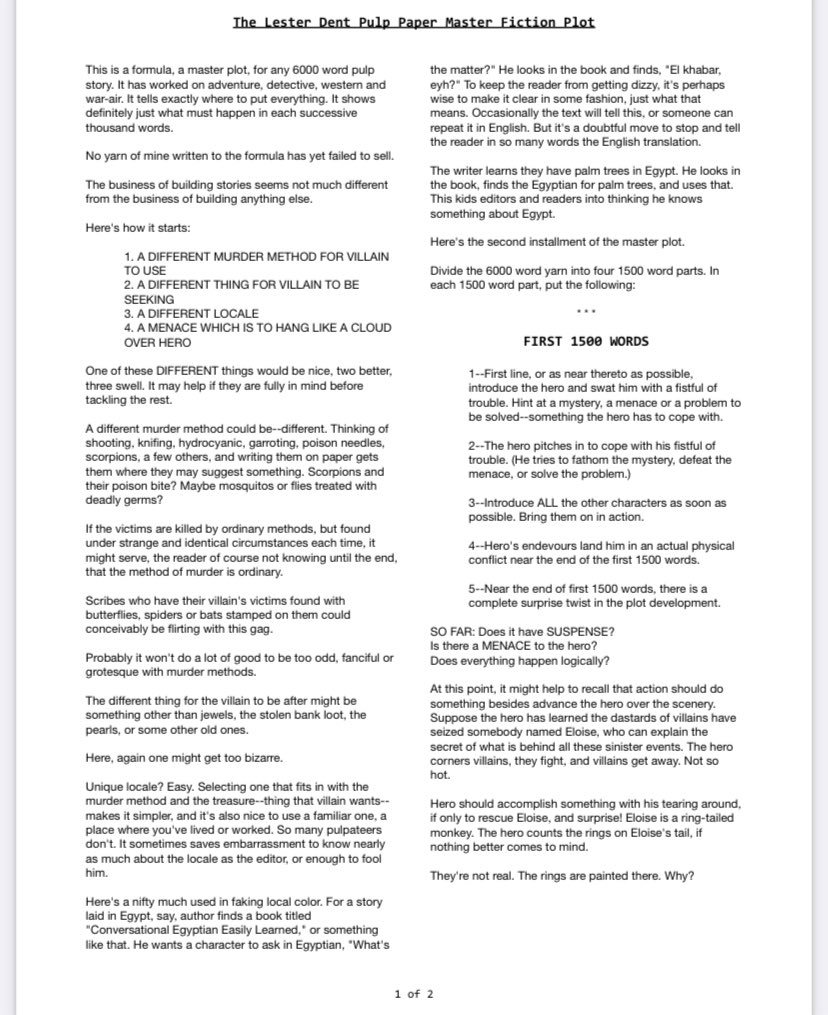
Probably the most famous true formula is Lester Dent’s for a 6K word pulp story. Dent’s is a great starting point bc it’s plug n play.
Write 3-5 shorts w this and really examine how it works. The pacing, the actions, the revelations, building and releasing tension.
Write 1K word short stories for as many of the 36 as you can get thru. Notice where the actions and reveals end up to ‘turn’ the scene. https://t.co/enOEYjZQMo
Georges Polti made this book which is freely available online\u2014i strong recommend as a reference tool. Not just for writers but for anyone using rhetoric. If you can boil your narrative down to a clear narrative statement like this it will be very persuasive. pic.twitter.com/QY1VBEqsle
— Conan the Summer Conqueror (@conan_esq) April 9, 2022
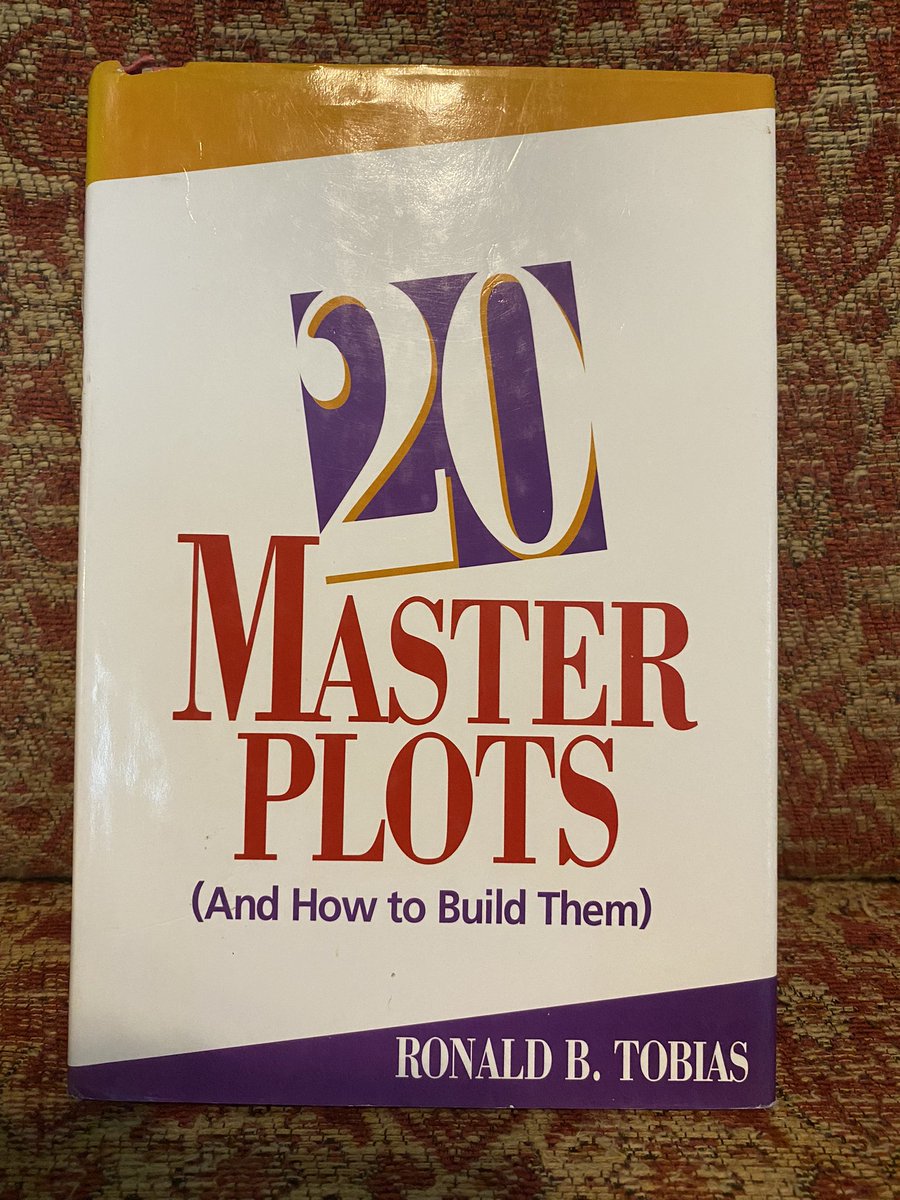
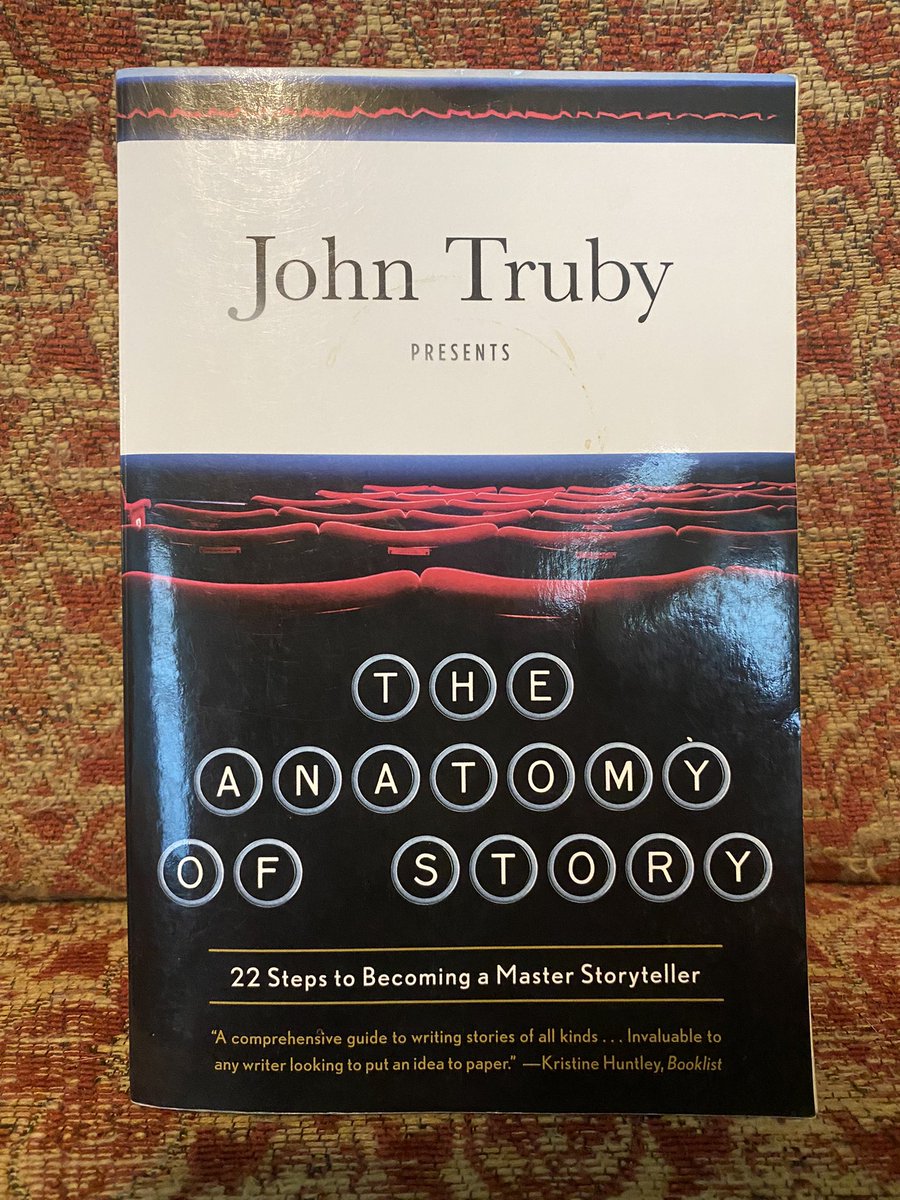
But Screenwriting books have pretty good crossover for fiction, so…

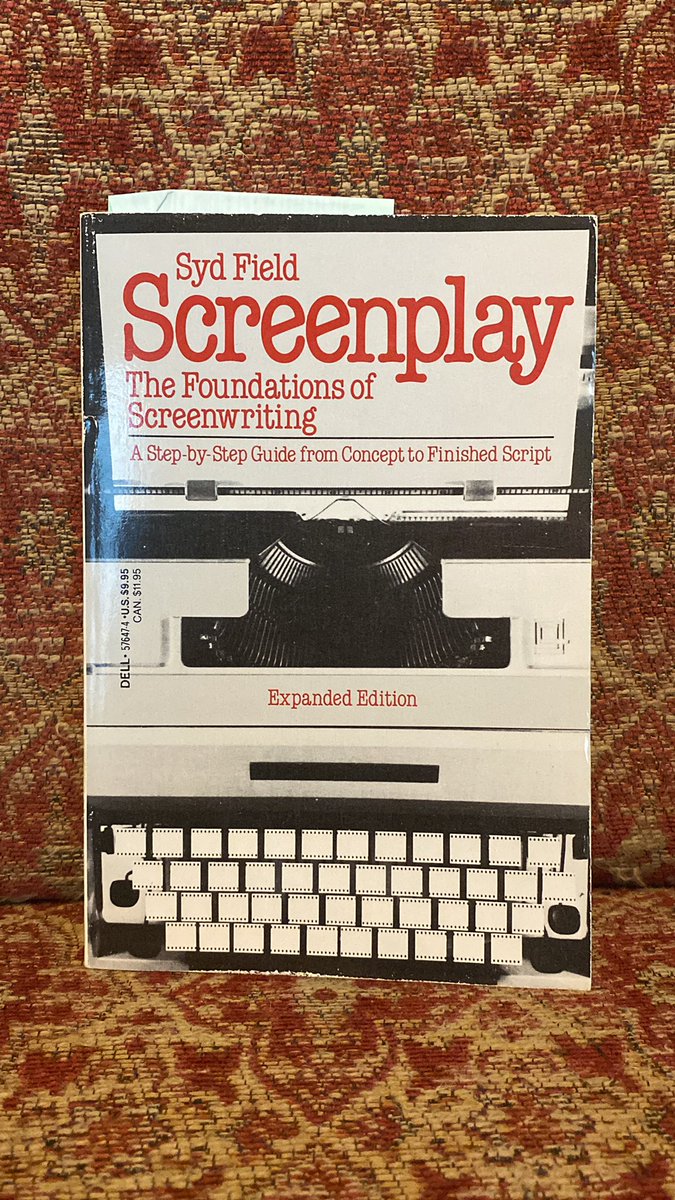
I liked Screenplay. I group it as theoretical because it’s better as a discourse on why things work rather than a ‘tutorial’ to follow. I find the diagrams helpful aids to thought.
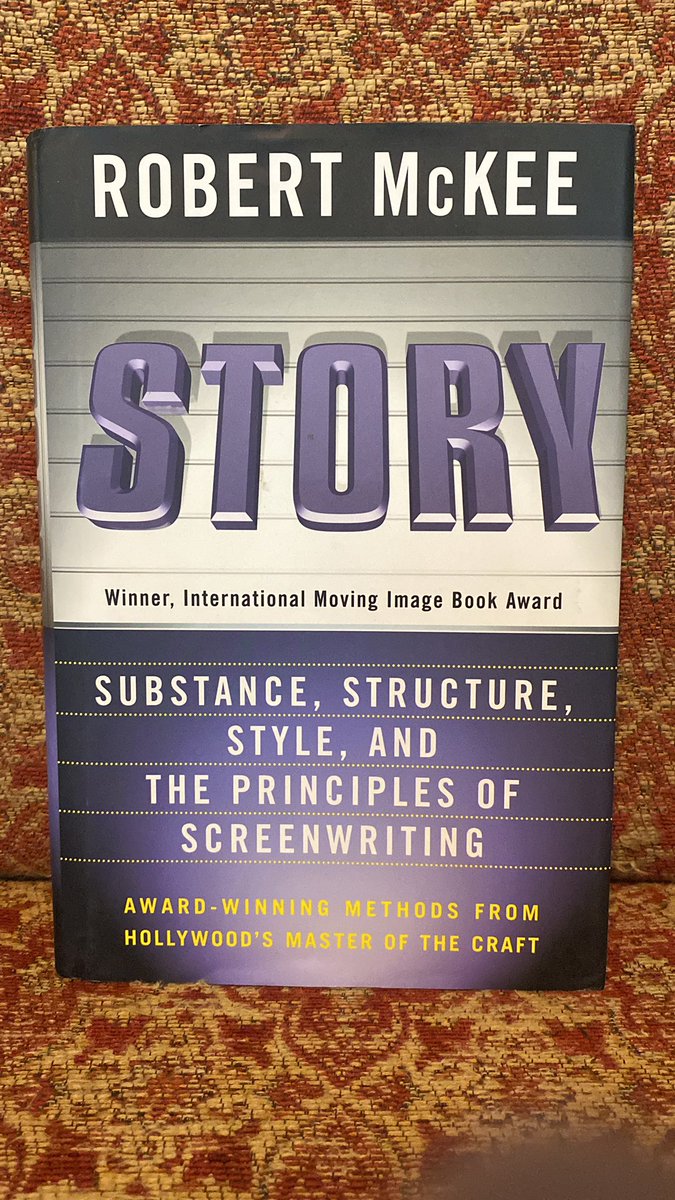
Use his method to outline 10 stories with as much detail as possible.
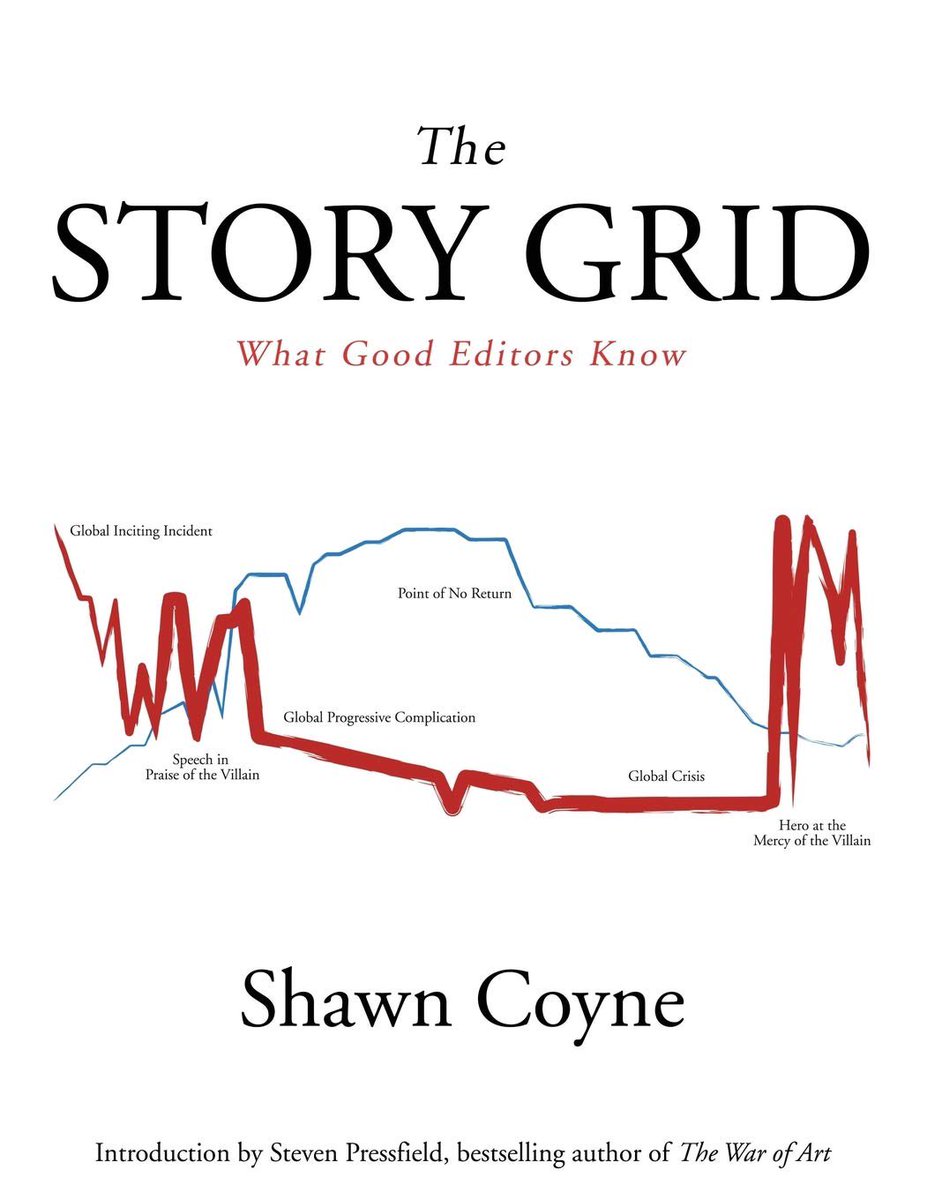
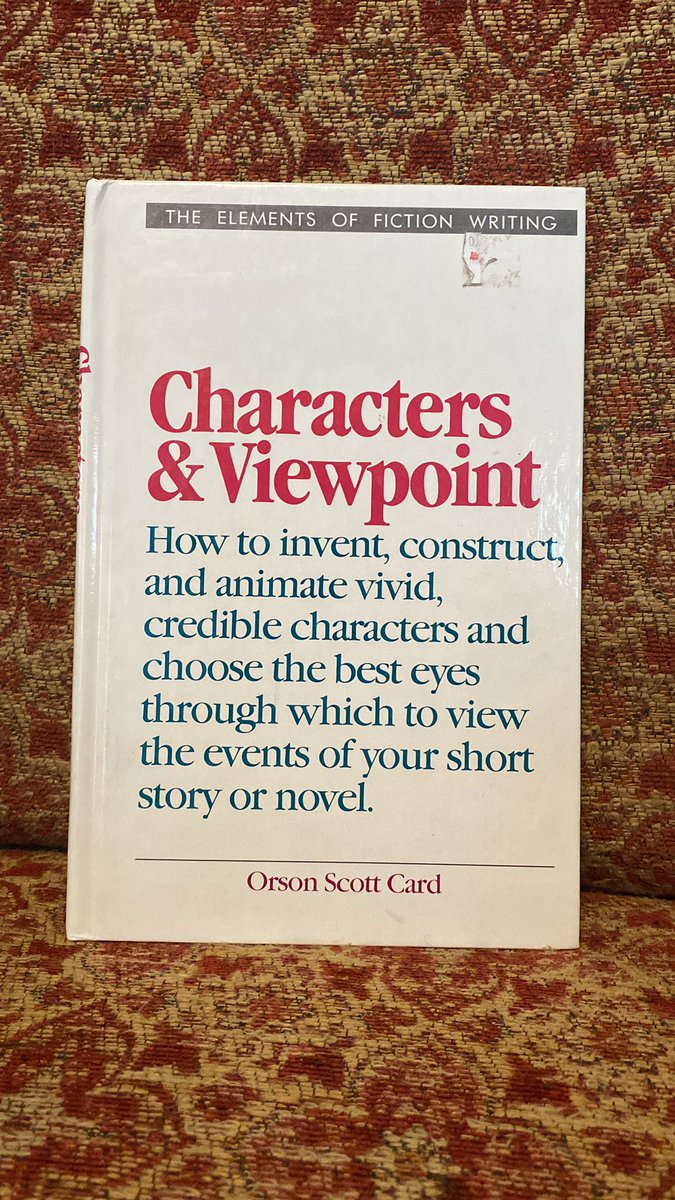
https://t.co/48ppQJkvrE
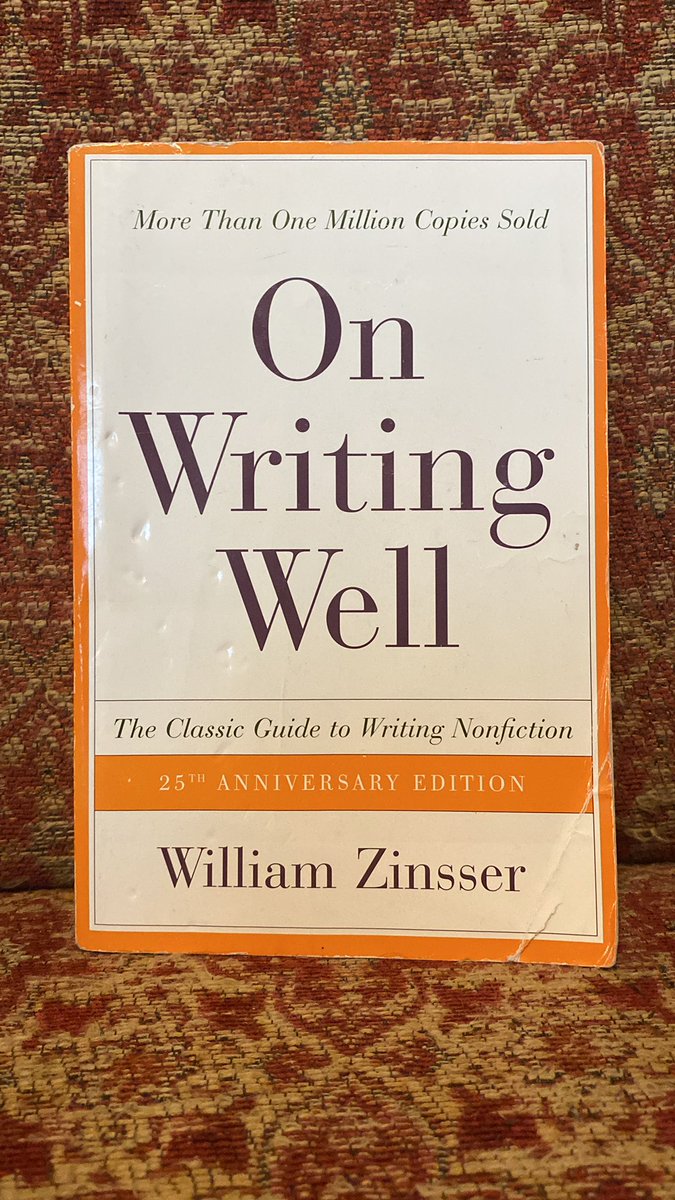

You have to practice. I gave you short exercises to do that will jump your skill efficiently, much faster than muddling through 100k word of a novel that doesn’t work.


More from All

Took me 5 years to get the best Chartink scanners for Stock Market, but you’ll get it in 5 mminutes here ⏰
Do Share the above tweet 👆
These are going to be very simple yet effective pure price action based scanners, no fancy indicators nothing - hope you liked it.
https://t.co/JU0MJIbpRV
52 Week High
One of the classic scanners very you will get strong stocks to Bet on.
https://t.co/V69th0jwBr
Hourly Breakout
This scanner will give you short term bet breakouts like hourly or 2Hr breakout
Volume shocker
Volume spurt in a stock with massive X times
Do Share the above tweet 👆
These are going to be very simple yet effective pure price action based scanners, no fancy indicators nothing - hope you liked it.
https://t.co/JU0MJIbpRV
52 Week High
One of the classic scanners very you will get strong stocks to Bet on.
https://t.co/V69th0jwBr
Hourly Breakout
This scanner will give you short term bet breakouts like hourly or 2Hr breakout
Volume shocker
Volume spurt in a stock with massive X times





https://t.co/6cRR2B3jBE
Viruses and other pathogens are often studied as stand-alone entities, despite that, in nature, they mostly live in multispecies associations called biofilms—both externally and within the host.
https://t.co/FBfXhUrH5d

Microorganisms in biofilms are enclosed by an extracellular matrix that confers protection and improves survival. Previous studies have shown that viruses can secondarily colonize preexisting biofilms, and viral biofilms have also been described.

...we raise the perspective that CoVs can persistently infect bats due to their association with biofilm structures. This phenomenon potentially provides an optimal environment for nonpathogenic & well-adapted viruses to interact with the host, as well as for viral recombination.

Biofilms can also enhance virion viability in extracellular environments, such as on fomites and in aquatic sediments, allowing viral persistence and dissemination.

Viruses and other pathogens are often studied as stand-alone entities, despite that, in nature, they mostly live in multispecies associations called biofilms—both externally and within the host.
https://t.co/FBfXhUrH5d
Microorganisms in biofilms are enclosed by an extracellular matrix that confers protection and improves survival. Previous studies have shown that viruses can secondarily colonize preexisting biofilms, and viral biofilms have also been described.
...we raise the perspective that CoVs can persistently infect bats due to their association with biofilm structures. This phenomenon potentially provides an optimal environment for nonpathogenic & well-adapted viruses to interact with the host, as well as for viral recombination.
Biofilms can also enhance virion viability in extracellular environments, such as on fomites and in aquatic sediments, allowing viral persistence and dissemination.


You May Also Like






A list of cool websites you might now know about
A thread 🧵
1) Learn Anything - Search tools for knowledge discovery that helps you understand any topic through the most efficient
2) Grad Speeches - Discover the best commencement speeches.
This website is made by me
3) What does the Internet Think - Find out what the internet thinks about anything
4) https://t.co/vuhT6jVItx - Send notes that will self-destruct after being read.
A thread 🧵
1) Learn Anything - Search tools for knowledge discovery that helps you understand any topic through the most efficient
2) Grad Speeches - Discover the best commencement speeches.
This website is made by me
3) What does the Internet Think - Find out what the internet thinks about anything
4) https://t.co/vuhT6jVItx - Send notes that will self-destruct after being read.