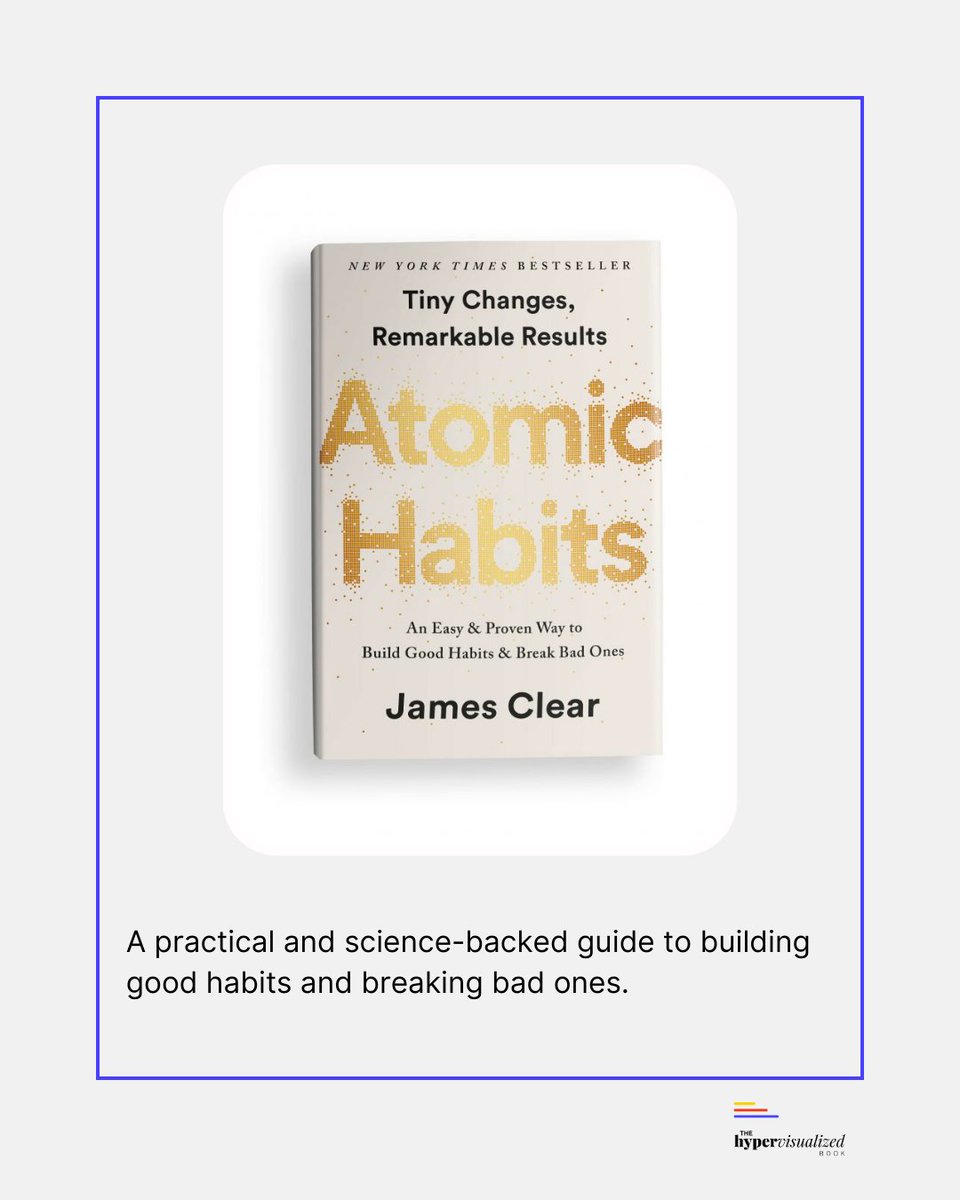
21 habits that will make you more money than you need.

1. Deep work (minimum 4 hours undistracted first thing in the morning).

2. Limit distractions, social media, toxic people, and unproductive meetings.

3. Show up daily (no matter how you feel).
4. Keep track of your time. Eliminate things that waste it (screen time, eating, sleeping, chilling) It all adds up...

5. Implementing good workout habits. (Helps build discipline).

6. Don't just do things to please people you don't like. (Just say no).
7. Have a set routine, wake up and sleep at the same time daily. (Helps with energy and productivity).

8. Plan the night before, to start off the next day on the right foot.

9. Take a day off, to stand back, relax and see the big picture. (Personally | love to take Sundays off)
10. Work in an environment that is clean and distraction free. (Induces flow state even faster).

11. Fuel your body and mind with the best of the best. (Unhealthy foods make you lethargic and tired).

12. Do not break focus, master one thing before moving to the next.
13. Track everything, Sleep, Workouts, Money, Better decisions are made when you are in control.

14. Delayed gratification. Everything truly worthwhile takes time, don't rush the process.

15. Approach every task with the same intent and intensity.
19. Don't be afraid to invest in yourself

20. Always seek to network with "more" successful people than you and mastermind with them.

21. Cut down your deadlines by 50% and see how much more work you get done. Procrastination is a silent killer.
If this thread was able to add 1% value to your life:
- Please follow
@Brutal_Mindset

&
- Retweet the first tweet of this thread

Everyday, I share insights about conquering mindset & generating wealth.

Thanks for reading.
https://t.co/o4OidSrI0O

More from All

#தினம்_ஒரு_திருவாசகம்
தொல்லை இரும்பிறவிச் சூழும் தளை நீக்கி
அல்லல் அறுத்து ஆனந்தம் ஆக்கியதே – எல்லை
மருவா நெறியளிக்கும் வாதவூர் எங்கோன்
திருவாசகம் என்னும் தேன்

பொருள்:
1.எப்போது ஆரம்பித்தது என அறியப்படமுடியாத தொலை காலமாக (தொல்லை)

2. இருந்து வரும் (இரும்)


3.பிறவிப் பயணத்திலே ஆழ்த்துகின்ற (பிறவி சூழும்)

4.அறியாமையாகிய இடரை (தளை)

5.அகற்றி (நீக்கி),

6.அதன் விளைவால் சுகதுக்கமெனும் துயரங்கள் விலக (அல்லல் அறுத்து),

7.முழுநிறைவாய்த் தன்னுளே இறைவனை உணர்த்துவதே (ஆனந்த மாக்கியதே),

8.பிறந்து இறக்கும் காலவெளிகளில் (எல்லை)

9.பிணைக்காமல் (மருவா)

10.காக்கும் மெய்யறிவினைத் தருகின்ற (நெறியளிக்கும்),

11.என் தலைவனான மாணிக்க வாசகரின் (வாதவூரெங்கோன்)

12.திருவாசகம் எனும் தேன் (திருவா சகமென்னுந் தேன்)

முதல்வரி: பிறவி என்பது முன்வினை விதையால் முளைப்பதோர் பெருமரம். அந்த ‘முன்வினை’ எங்கு ஆரம்பித்தது எனச் சொல்ல இயலாது. ஆனால் ‘அறியாமை’ ஒன்றே ஆசைக்கும்,, அச்சத்துக்கும் காரணம் என்பதால், அவையே வினைகளை விளைவிப்பன என்பதால், தொடர்ந்து வரும் பிறவிகளுக்கு, ‘அறியாமையே’ காரணம்

அறியாமைக்கு ஆரம்பம் கிடையாது. நமக்கு ஒரு பொருளைப் பற்றிய அறிவு எப்போதிருந்து இல்லை? அதைச் சொல்ல முடியாது. அதனாலேதான் முதலடியில், ஆரம்பமில்லாத அஞ்ஞானத்தை பிறவிகளுக்குக் காரணமாகச் சொல்லியது. ஆனால் அறியாமை, அறிவின் எழுச்சியால், அப்போதே முடிந்து விடும்.

You May Also Like

I just finished Eric Adler's The Battle of the Classics, and wanted to say something about Joel Christiansen's review linked below. I am not sure what motivates the review (I speculate a bit below), but it gives a very misleading impression of the book. 1/x


The meat of the criticism is that the history Adler gives is insufficiently critical. Adler describes a few figures who had a great influence on how the modern US university was formed. It's certainly critical: it focuses on the social Darwinism of these figures. 2/x

Other insinuations and suggestions in the review seem wildly off the mark, distorted, or inappropriate-- for example, that the book is clickbaity (it is scholarly) or conservative (hardly) or connected to the events at the Capitol (give me a break). 3/x

The core question: in what sense is classics inherently racist? Classics is old. On Adler's account, it begins in ancient Rome and is revived in the Renaissance. Slavery (Christiansen's primary concern) is also very old. Let's say classics is an education for slaveowners. 4/x

It's worth remembering that literacy itself is elite throughout most of this history. Literacy is, then, also the education of slaveowners. We can honor oral and musical traditions without denying that literacy is, generally, good. 5/x