There are more than 7,000,000 apps available to download.

But not all of them are useful.

Here are 10 of the most useful apps that will change your life starting today:

1. I Am Sober

I Am Sober is not only a free sobriety tracking app, it is a community of people that will help you build better habits and quit any addiction.
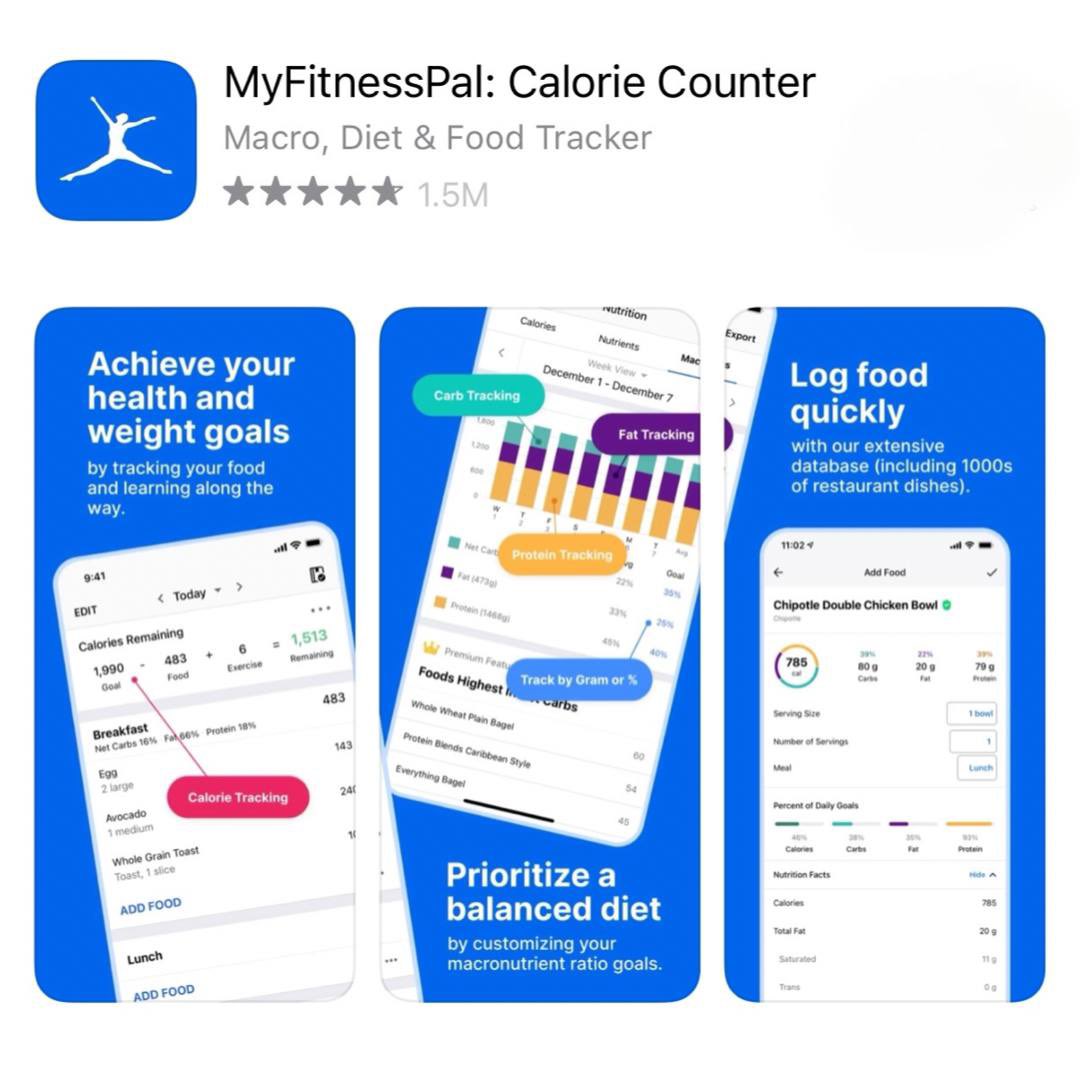
2. My Fitness Pal: Calorie Counter

This all-in-one food tracker and health app provides you with multiple tools to help you reach your fitness goals.
3. Audible

With a library of over 500,000 titles, Audible is one of the largest audiobook subscriptions services available. They also offer podcasts, sleep sounds and meditation courses.
4. Todoist: To-Do list & Tasks

Todoist is one of the most popular to-do list apps to help get your work and life organized.
5. Sleep Cycle: Sleep Tracker

This sleep tracking app gently wakes you while you’re in your lightest sleep phase by recording and analyzing all of your sleep patters.
6. Insight Timer: Meditation App

A free meditation app with over 130,000 guided meditations and thousands of talks by top meditation and mindfulness experts.
7. TED

Watch thousands of TED Talk videos for free. You can also get personalized recommendations that match your interests.
8. Daily Water Tracker Reminder

An easy to use app that helps you stay hydrated by monitoring your water intake and reminds you when it’s time to drink.
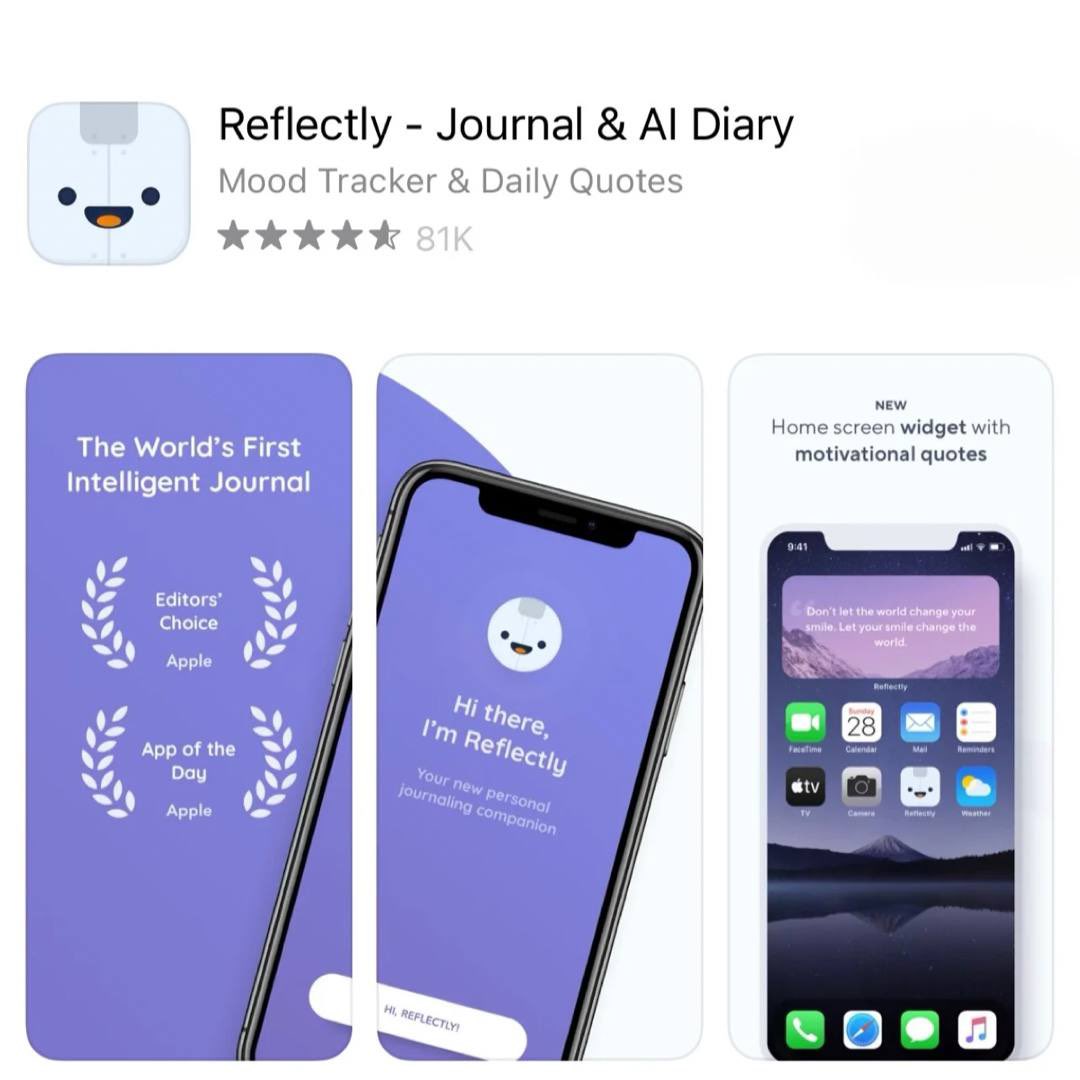
9. Reflectly: Journal & AI Diary

Improve your mood and mindfulness with this artificial intelligence journaling app.
10. Fabulous: Daily Habit Tracker

Fabulous is a self-care app based on behavioral science. This app helps create healthy habits and lasting behavioral changes by adding one small positive step to your daily routine.
Are you feeling stuck and need some extra push to reach your goals?

"Murder Misery-30 Day Program" will help you to:

- Controll your beliefs
- Change your habits
- Reach your goals

Get your copy here: 👇 https://t.co/czh1OyzU3P
If you enjoyed this thread please:

- like and rt the first tweet
- follow me @MentalUnleash

More from All

Master Thread of all my threads!

Hello!! 👋

• I have curated some of the best tweets from the best traders we know of.

• Making one master thread and will keep posting all my threads under this.

• Go through this for super learning/value totally free of cost! 😃

1. 7 FREE OPTION TRADING COURSES FOR


2. THE ABSOLUTE BEST 15 SCANNERS EXPERTS ARE USING

Got these scanners from the following accounts:

1. @Pathik_Trader
2. @sanjufunda
3. @sanstocktrader
4. @SouravSenguptaI
5. @Rishikesh_ADX


3. 12 TRADING SETUPS which experts are using.

These setups I found from the following 4 accounts:

1. @Pathik_Trader
2. @sourabhsiso19
3. @ITRADE191
4.


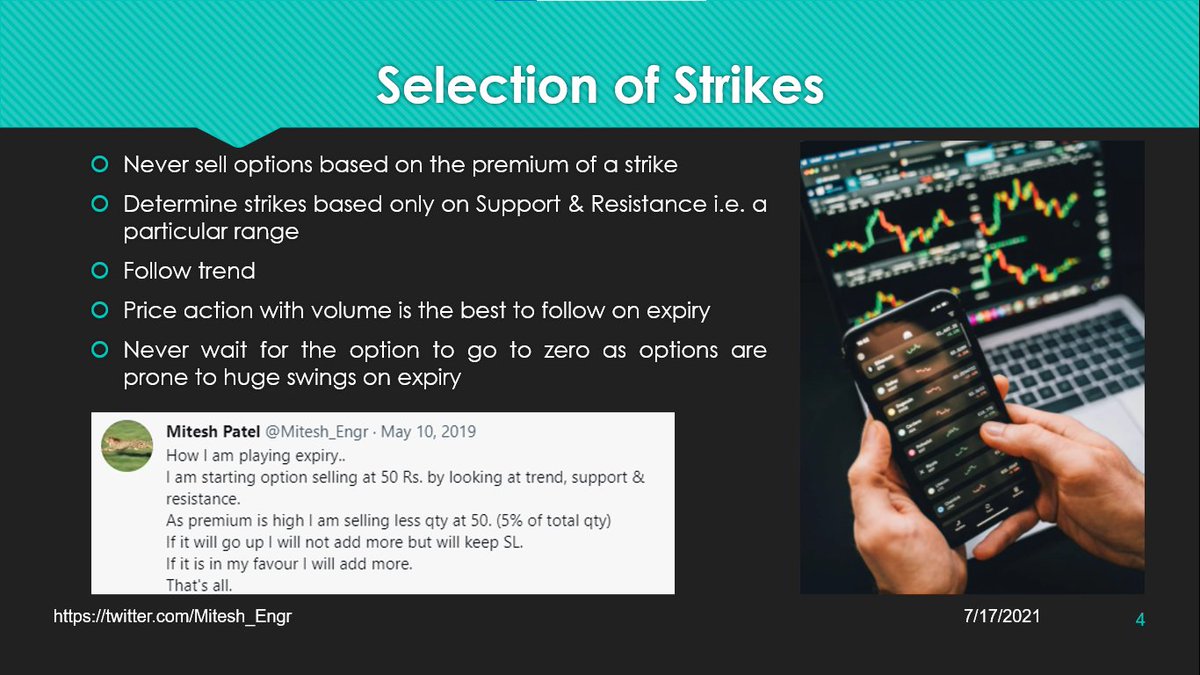
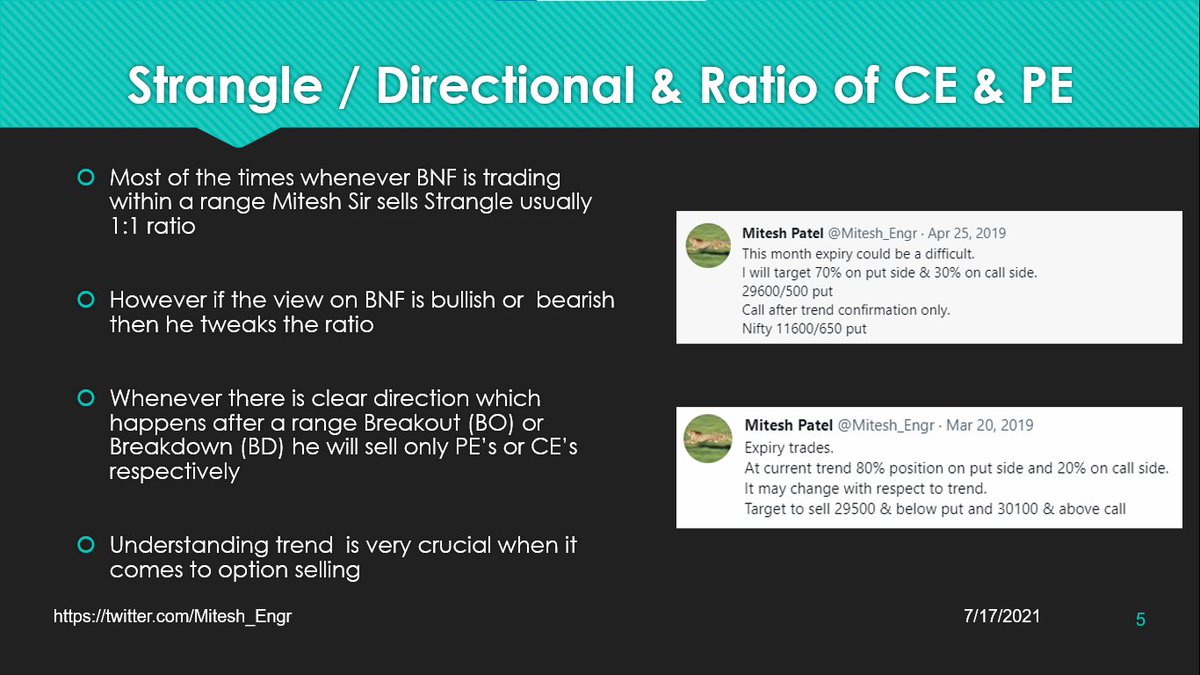
4. Curated tweets on HOW TO SELL STRADDLES.

Everything covered in this thread.
1. Management
2. How to initiate
3. When to exit straddles
4. Examples
5. Videos on
How can we use language supervision to learn better visual representations for robotics?

Introducing Voltron: Language-Driven Representation Learning for Robotics!

Paper: https://t.co/gIsRPtSjKz
Models: https://t.co/NOB3cpATYG
Evaluation: https://t.co/aOzQu95J8z

🧵👇(1 / 12)


Videos of humans performing everyday tasks (Something-Something-v2, Ego4D) offer a rich and diverse resource for learning representations for robotic manipulation.

Yet, an underused part of these datasets are the rich, natural language annotations accompanying each video. (2/12)

The Voltron framework offers a simple way to use language supervision to shape representation learning, building off of prior work in representations for robotics like MVP (
https://t.co/Pb0mk9hb4i) and R3M (https://t.co/o2Fkc3fP0e).

The secret is *balance* (3/12)

Starting with a masked autoencoder over frames from these video clips, make a choice:

1) Condition on language and improve our ability to reconstruct the scene.

2) Generate language given the visual representation and improve our ability to describe what's happening. (4/12)

By trading off *conditioning* and *generation* we show that we can learn 1) better representations than prior methods, and 2) explicitly shape the balance of low and high-level features captured.

Why is the ability to shape this balance important? (5/12)

You May Also Like