1. Price-To-Earnings (P/E)
▪︎Most Widely Used Metric
▪︎High P/E ratio means either the company is overvalued or is on a trajectory to growth
▪︎Low P/E ratio indicates either the company is undervalued or soon the profits will disappear.
2. Price-To-Book (P/B) -
Book Value = Total Assets - Total Liabilities
▪︎It's useful to evaluate companies with large tangible assets in their balance sheets.
▪︎It's a good Metric to Evaluate Bank Stocks but less useful for Service & IT Stocks.
3. Current Ratio
= Current Assets/Current Liabilities
▪︎A higher ratio often indicates greater liquidity and more stability.
▪︎It helps us gauge the short-term financial strength of a company.
▪︎The current ratio gives an idea of a company’s operating cycle.
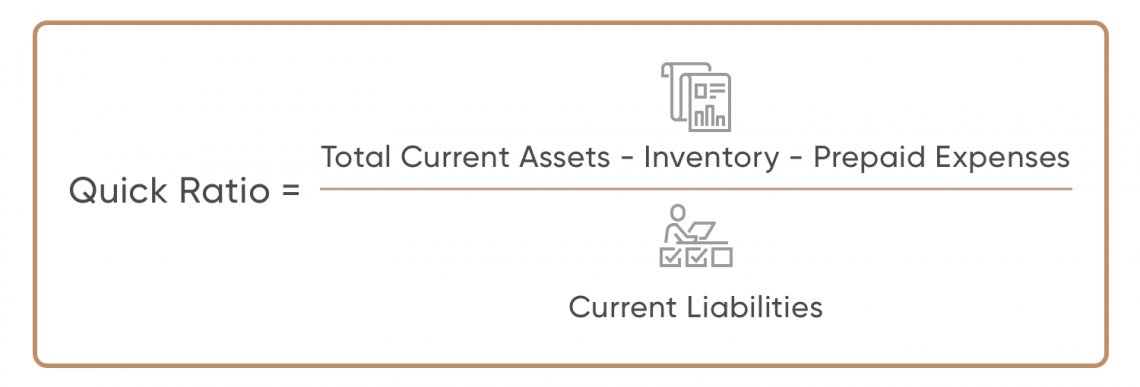
4. Quick Ratio -
▪︎A Liquidity crisis can arive even at healthy companies that's why I prefer Quick Ratio over Current Ratio because it's more conservative.
▪︎It excludes inventory & other current assets, which are generally more difficult to turn into cash.
5. ROCE (Return On Capital Employed) -
▪︎ROCE tells you the amount of profit a company is generating per $1 of capital employed.
▪︎Capital Employed = Total Assets - Current Liabilities or Equity+long-term debts
▪︎ROCE should be equal to at least twice current interest rate
6. Return On Equity (ROE) -
▪︎ROE tells you how efficient a company using its shareholders equity to generate profits.
It can be manipulated by having excessive debt on the balance sheet that's why it becomes extremely important to check a Company's ROCE & ROE simultaneously.
7. Debt-To-Equity (D/E) -
▪︎A high D/E ratio is often associated with high risk; it means that a company has been aggressive in financing its growth with debt.
▪︎ Note, In the banking and financial services sector, a relatively high D/E ratio is commonplace.
8. Price-To-Sales (P/S) -
▪︎The Ratio is effective in valuing growth stock that have yet to make a profit.
▪︎If the P/S ratio is lower than comparable companies in the same industry that is profitable, investors might consider buying the stock due to the low valuation.
9. Diluted EPS (Earnings Per Share)-
▪︎Diluted EPS is more effective than basic EPS because it includes the impact of all potential equity diluters.
▪︎Convertible securities are all outstanding convertible preferred shares, convertible debentures, stock options, & warrants.
10. Dividend Yield -
▪︎Dividend Yield depends on the stock price & payout ratio.
▪︎It gives you an idea about company’s growth stage.
▪︎Higher Dividend Yield could be a result of declining stock price that shows Investors or market is not sure about company’s future.
11. Price/Earnings-to-Growth (PEG) Ratio -
▪︎The PEG ratio enhances the P/E ratio by adding in expected earnings growth into the calculation.
▪︎It's extremely useful to evaluate growth companies that usually trades at Higher P/E ratio.
12. Operating Profit Margin -
▪︎Companies which have higher operating profit margins are more well-equipped for paying for fixed costs & interest on obligations, thus they have better chances for surviving an economic slowdown.
▪︎Also it tells about the competitive landscape
13. Asset Turnover Ratio -
▪︎The asset turnover ratio measures the efficiency of a company's assets in generating revenue or sales.
▪︎Comparisons are only meaningful when they are made for different companies within the same sector.
14. Price-to-Cash Flow (P/CF)
▪︎P/CF is especially useful for valuing stocks that have positive cash flow but are not profitable because of large non-cash charges.
- The greatest example is Amazon.
Company didn't earn profit for many years but still was a Cash Cow.
15. Interest Coverage Ratio -
▪︎It measures the ability of a company to pay the interest on its outstanding debt.
▪︎When a company's interest coverage ratio is only 1.5 or lower, its ability to meet interest expenses may be questionable.
Thanks for reading!!🧵
I have tried to make this thread as Simple, Specific & Informative as possible.
Ratios Covered -
- Liquidity ratios
- Leverage ratios
- Efficiency ratios
- Profitability ratios
- Market value ratios
If you like the Thread, please Retweet the first Tweet