Some quick notes on how to be careful with what you read and share right now on the Russian invasion of Ukraine, based on SIFT, with some slight shifts in emphasis for fast-moving foreign events. 🧵

STOP is always the first move of SIFT, and the first question you need to ask is not "Is this true?" but "Do I even know what I'm looking at here?" Jumping immediately to questions of truth before assessing personal knowledge & capability is where most people go wrong.
STOP is *always* important, but it is particularly important with events in a foreign, fast-moving context. It's too easy to look at a video depicting events thousands of miles away in languages we do not understand shared by ppl we don't know and think "This looks legit"
Taking a moment or two (and you can do it right now!) to reflect on your limitations in this sort of context is helpful. And with each piece of content asking yourself "Do I know what I am looking at here?" becomes crucial for every piece of content.
When it comes to INVESTIGATE THE SOURCE, we look for two things: One, is source of the information likely to be what we call "in the know" -- do they have *significantly* above average knowledge of a situation because of expertise, profession, life experience, or location?
Second, is the person motivated to be "careful with the truth". This isn't about bias as much as it is about what the person's personal and professional incentives are. Basically, pick people who pay a price if they get something wrong.
Here's the thing about a fast-moving situation and sources: be extra picky. If something appears from a borderline source at 10 a.m. my life-changing advice to you is YOU CAN WAIT FOR A BETTER SOURCE. The world will not end if you tweet at 10:30 instead.
FIND BETTER COVERAGE is move three of SIFT. And there is an important modification here for foreign contexts.
In FIND you discover a potentially true report from a borderline source and rather than share that source you try to find a high-quality source to read/share, usually by a search of Google or Twitter.
In domestic situations we often have a lot of background knowledge on sources that allows us to scan and select high quality sources from a stream of garbage. People don't always leverage that knowledge, but it's there.
Some of that knowledge transfers to foreign contexts -- knowing what Reuters is or the AFP can help. But we can vastly overestimate what we know about sources in more foreign domains.
So if you want to find better coverage in a situation like this, you need to DO WORK UP FRONT. Familiarize yourself with high quality local sources like the Kyiv Independent, and people with important bridging expertise like @JaneLytv. https://t.co/2BZNg0ntMd
It's really not too much to ask that if you are going to act as a news amplifier that you set aside an hour or so and familiarize yourself with reputable domain-relevant source BEFORE you're staring at a tweet or post or TikTok video deciding to retweet in the moment.
This is also a place where making use of vetted lists, such as this one from @JaneLytv is useful -- you may get a far better feed off a good list than your normal main feed. https://t.co/16FutrL1n1
Final point (I promise!) is just this -- reconsider what your best role is here. Are you best positioned to be a person breaking up to the minute news, or better set up to amplify things a bit older but more vetted?
Is your time best spent chasing down new video of tanks, or in finding and sharing important historical or scholarly context to this invasion of which many may not be aware?
In these breaking news events, the temptation is always to drink the firehose, and the platforms amplify that behavior. But collective sense-making has *many* roles other than "breaking OSINT reporter". Find the role best suited to your capabilities and engage there.
Maybe what you do today is share someone's Twitter list, or a video about how Russia used disinformation in Crimea. Maybe you're doing the boring work of amplifying stories from Reuters, or sharing fact-checks. There's so many ways to engage, pick what works for you.

More from All

॥ॐ॥
अस्य श्री गायत्री ध्यान श्लोक:
(gAyatri dhyAna shlOka)
• This shloka to meditate personified form of वेदमाता गायत्री was given by Bhagwaan Brahma to Sage yAgnavalkya (याज्ञवल्क्य).

• 14th shloka of गायत्री कवचम् which is taken from वशिष्ठ संहिता, goes as follows..


• मुक्ता-विद्रुम-हेम-नील धवलच्छायैर्मुखस्त्रीक्षणै:।
muktA vidruma hEma nIla dhavalachhAyaiH mukhaistrlkShaNaiH.

• युक्तामिन्दुकला-निबद्धमुकुटां तत्वार्थवर्णात्मिकाम्॥
yuktAmindukalA nibaddha makutAm tatvArtha varNAtmikam.

• गायत्रीं वरदाभयाङ्कुश कशां शुभ्रं कपालं गदाम्।
gAyatrIm vardAbhayANkusha kashAm shubhram kapAlam gadAm.

• शंखं चक्रमथारविन्दयुगलं हस्तैर्वहन्ती भजै॥
shankham chakramathArvinda yugalam hastairvahantIm bhajE.

This shloka describes the form of वेदमाता गायत्री.

• It says, "She has five faces which shine with the colours of a Pearl 'मुक्ता', Coral 'विद्रुम', Gold 'हेम्', Sapphire 'नील्', & a Diamond 'धवलम्'.

• These five faces are symbolic of the five primordial elements called पञ्चमहाभूत:' which makes up the entire existence.

• These are the elements of SPACE, FIRE, WIND, EARTH & WATER.

• All these five faces shine with three eyes 'त्रिक्षणै:'.
APIs in general are so powerful.

Best 5 public APIs you can use to build your next project:

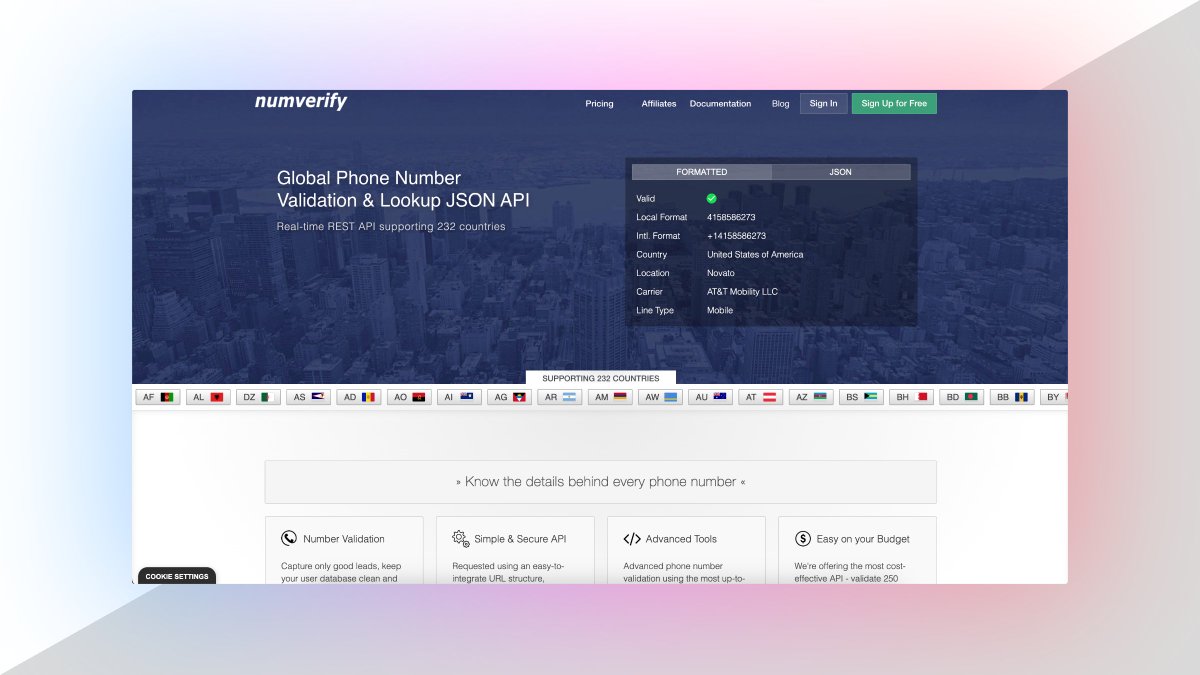
1. Number Verification API

A RESTful JSON API for national and international phone number validation.

🔗
https://t.co/fzBmCMFdIj

2. OpenAI API

ChatGPT is an outstanding tool. Build your own API applications with OpenAI API.

🔗 https://t.co/TVnTciMpML

3. Currency Data API

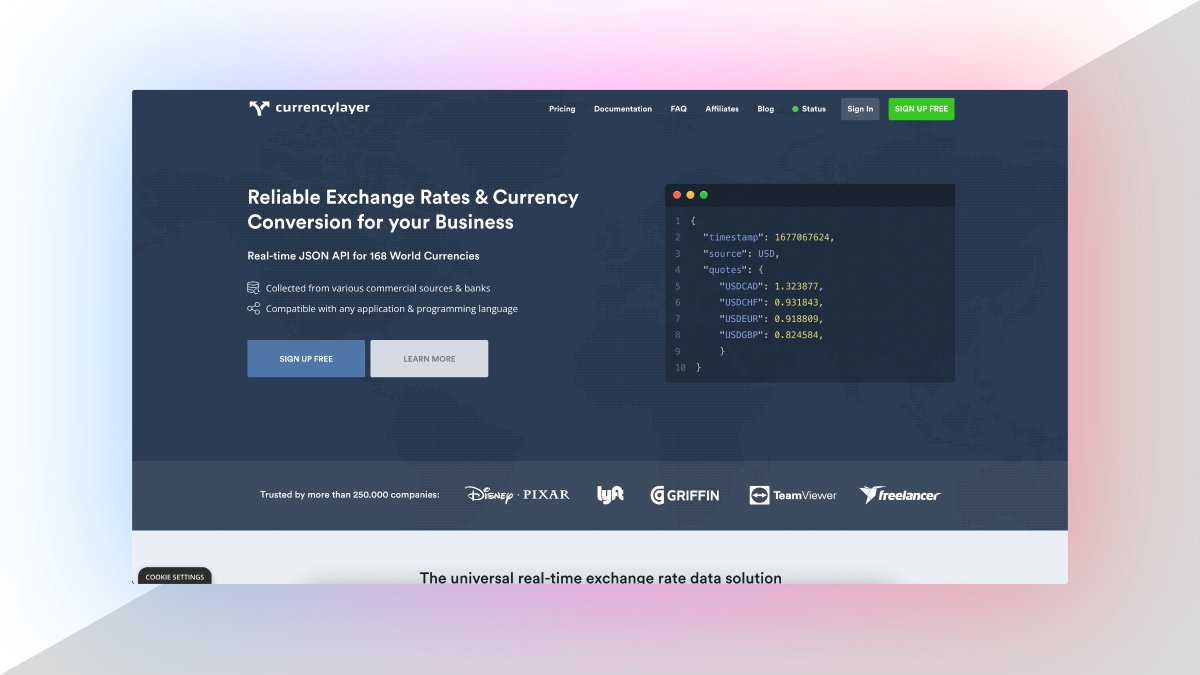
Currency Data API provides a simple REST API with real-time and historical exchange rates for 168 world currencies

🔗 https://t.co/TRj35IUUec

4. Weather API

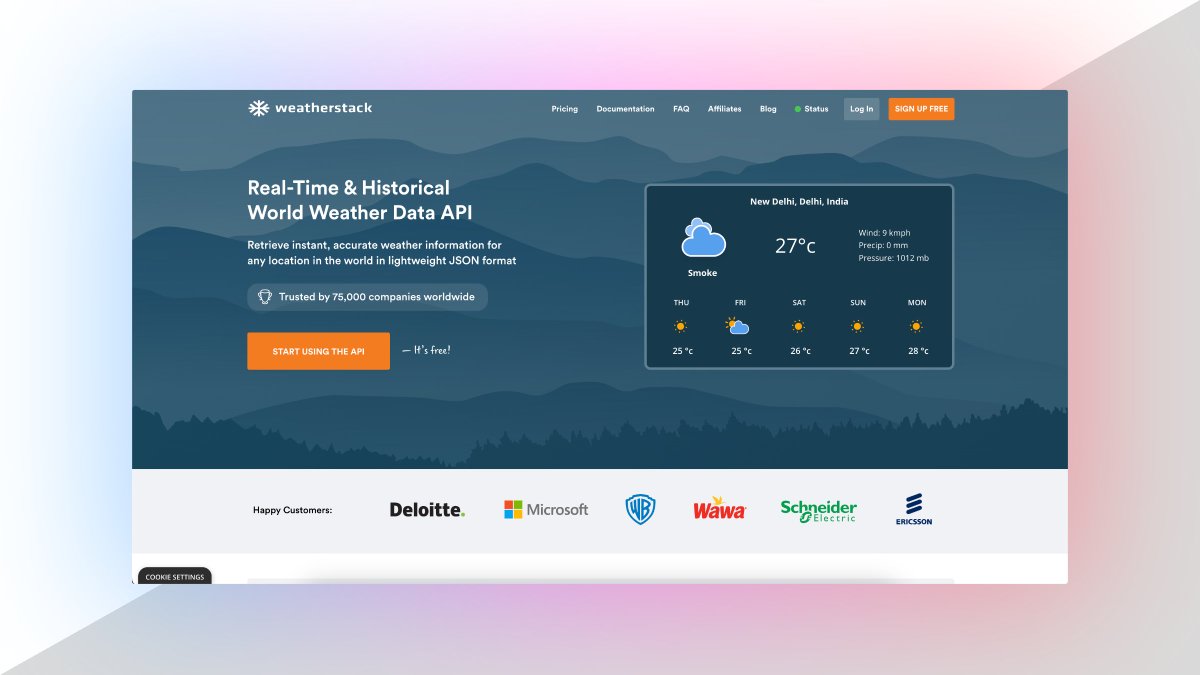
Real-Time & historical world weather data API.

Retrieve instant, accurate weather information for
any location in the world in lightweight JSON format.

🔗 https://t.co/DCY8kXqVIK
You May Also Like

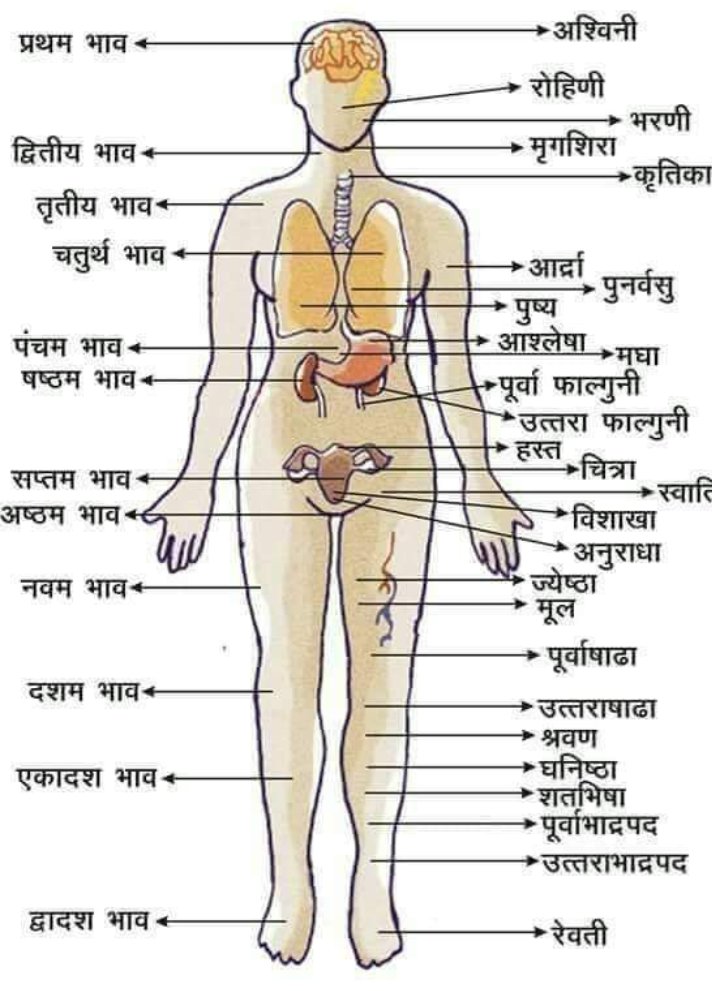
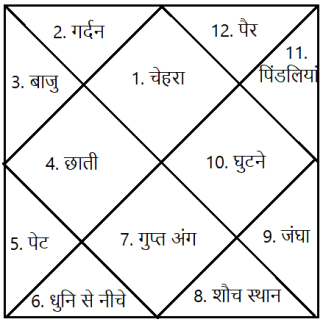
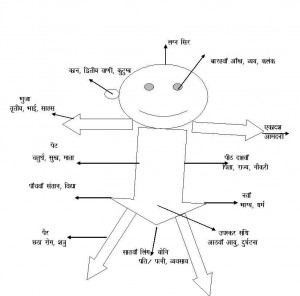
कुंडली में 12 भाव होते हैं। कैसे ज्योतिष द्वारा रोग के आंकलन करते समय कुंडली के विभिन्न भावों से गणना करते हैं आज इस पर चर्चा करेंगे।
कुण्डली को कालपुरुष की संज्ञा देकर इसमें शरीर के अंगों को स्थापित कर उनसे रोग, रोगेश, रोग को बढ़ाने घटाने वाले ग्रह


रोग की स्थिति में उत्प्रेरक का कार्य करने वाले ग्रह, आयुर्वेदिक/ऐलोपैथी/होमियोपैथी में से कौन कारगर होगा इसका आँकलन, रक्त विकार, रक्त और आपरेशन की स्थिति, कौन सा आंतरिक या बाहरी अंग प्रभावित होगा इत्यादि गणना करने में कुंडली का प्रयोग किया जाता है।


मेडिकल ज्योतिष में आज के समय में Dr. K. S. Charak का नाम निर्विवाद रूप से प्रथम स्थान रखता है। उनकी लिखी कई पुस्तकें आज इस क्षेत्र में नए ज्योतिषों का मार्गदर्शन कर रही हैं।
प्रथम भाव -
इस भाव से हम व्यक्ति की रोगप्रतिरोधक क्षमता, सिर, मष्तिस्क का विचार करते हैं।


द्वितीय भाव-
दाहिना नेत्र, मुख, वाणी, नाक, गर्दन व गले के ऊपरी भाग का विचार होता है।
तृतीय भाव-
अस्थि, गला,कान, हाथ, कंधे व छाती के आंतरिक अंगों का शुरुआती भाग इत्यादि।

चतुर्थ भाव- छाती व इसके आंतरिक अंग, जातक की मानसिक स्थिति/प्रकृति, स्तन आदि की गणना की जाती है


पंचम भाव-
जातक की बुद्धि व उसकी तीव्रता,पीठ, पसलियां,पेट, हृदय की स्थिति आंकलन में प्रयोग होता है।

षष्ठ भाव-
रोग भाव कहा जाता है। कुंडली मे इसके तत्कालिक भाव स्वामी, कालपुरुष कुंडली के स्वामी, दृष्टि संबंध, रोगेश की स्थिति, रोगेश के नक्षत्र औऱ रोगेश व भाव की डिग्री इत्यादि।