The Sambuka episode of Ramayana cannot be a medieval or modern creation as it is cited as a popular story in Mahabharata.

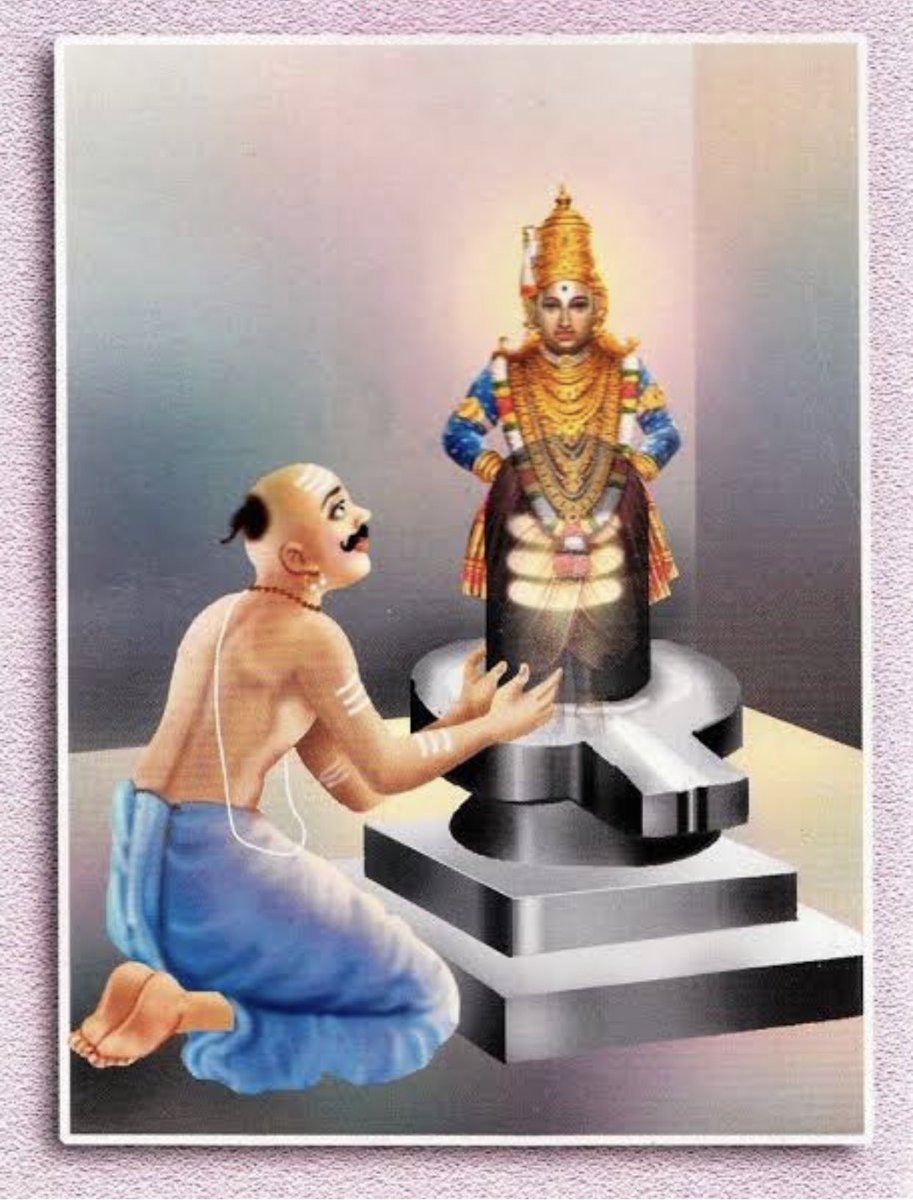
In the Grdhra Gomayu samvada (dialogue between vulture and jackal) in Apaddharma-parva, the jackal mentions the killing of Sambuka by Sri Rama.

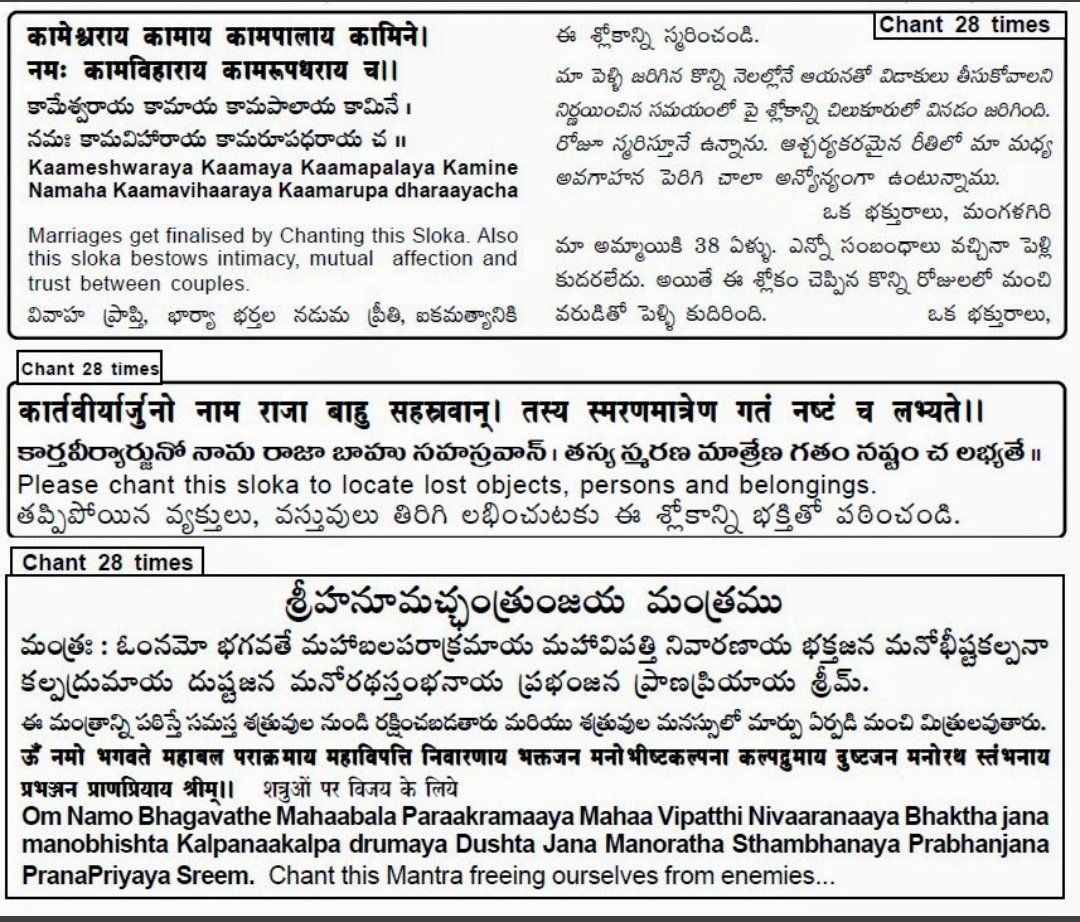
श्रूयते शम्बुके शूद्रे हते ब्राह्मणदारकः।
जीवितो धर्ममासाद्य रामात्सत्यपराक्रमात्॥ Mahabharata CE 12.149.62
"It has been heard that Rama, truthful in his valour, killed the shudra Shambuka, resorted to dharma, and brought a brahmana child back to life."
Sambuka was killed not because of his caste / tapas. He was punished as he was engaged in tamasik tapas which was harmful to the society.
As per Ramayana, Sambuka wanted to reach the heaven in his physical body and become a deva.
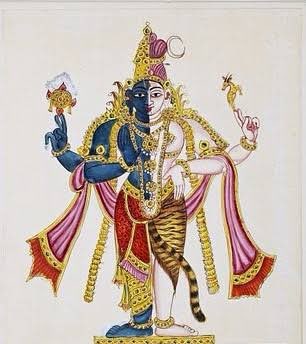
Sri Madhvacharya in his Tatparya-nirnaya says that Sambuka aspired to attain the status of Rudra and to become husband of Parvati.
तपश्चकार दुर्बुद्धिरिच्छन् माहेश्वरं पदम् ।
अनन्यवध्यं तं तस्माज्जघान पुरुषोत्तमः॥ Mahabharata Tatparya Nirnaya 9.21
See how tamasik tapas causes infant deaths.

अशास्त्रविहितं घोरं तप्यमानेषु वै तपः।
नरेषु नृपदोषेण बाल्ये मृत्युर्भविष्यति ॥ Vishnu Purana 6.1.40
In consequence of horrible tapas not enjoined by scripture, and of the vices of the rulers, children will die in their infancy.
The story of Sambuka as found in the Uttarakanda of Valmiki Ramayana and in Mahabharata and other Puranas do not contradict each other. Moreover, the Puranas condemn the kind of अशास्त्रीय तपस् that Sambuka was engaged in.

More from All

How can we use language supervision to learn better visual representations for robotics?

Introducing Voltron: Language-Driven Representation Learning for Robotics!

Paper: https://t.co/gIsRPtSjKz
Models: https://t.co/NOB3cpATYG
Evaluation: https://t.co/aOzQu95J8z

🧵👇(1 / 12)


Videos of humans performing everyday tasks (Something-Something-v2, Ego4D) offer a rich and diverse resource for learning representations for robotic manipulation.

Yet, an underused part of these datasets are the rich, natural language annotations accompanying each video. (2/12)

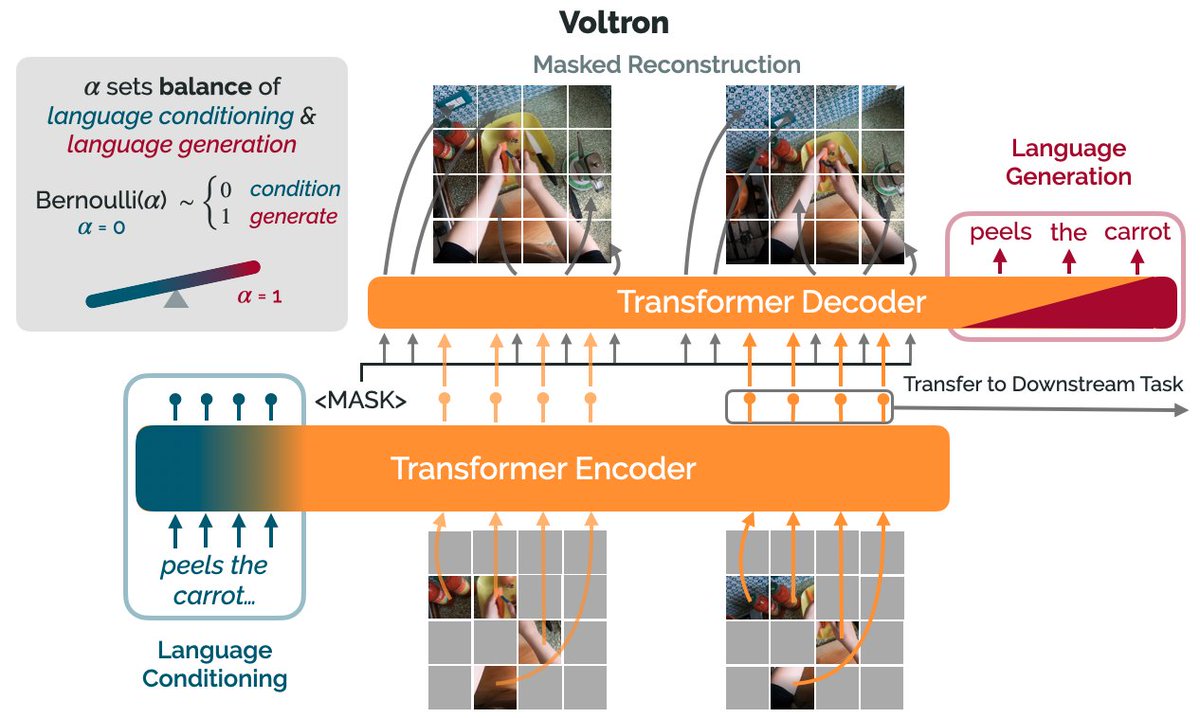
The Voltron framework offers a simple way to use language supervision to shape representation learning, building off of prior work in representations for robotics like MVP (
https://t.co/Pb0mk9hb4i) and R3M (https://t.co/o2Fkc3fP0e).

The secret is *balance* (3/12)

Starting with a masked autoencoder over frames from these video clips, make a choice:

1) Condition on language and improve our ability to reconstruct the scene.

2) Generate language given the visual representation and improve our ability to describe what's happening. (4/12)

By trading off *conditioning* and *generation* we show that we can learn 1) better representations than prior methods, and 2) explicitly shape the balance of low and high-level features captured.

Why is the ability to shape this balance important? (5/12)

You May Also Like