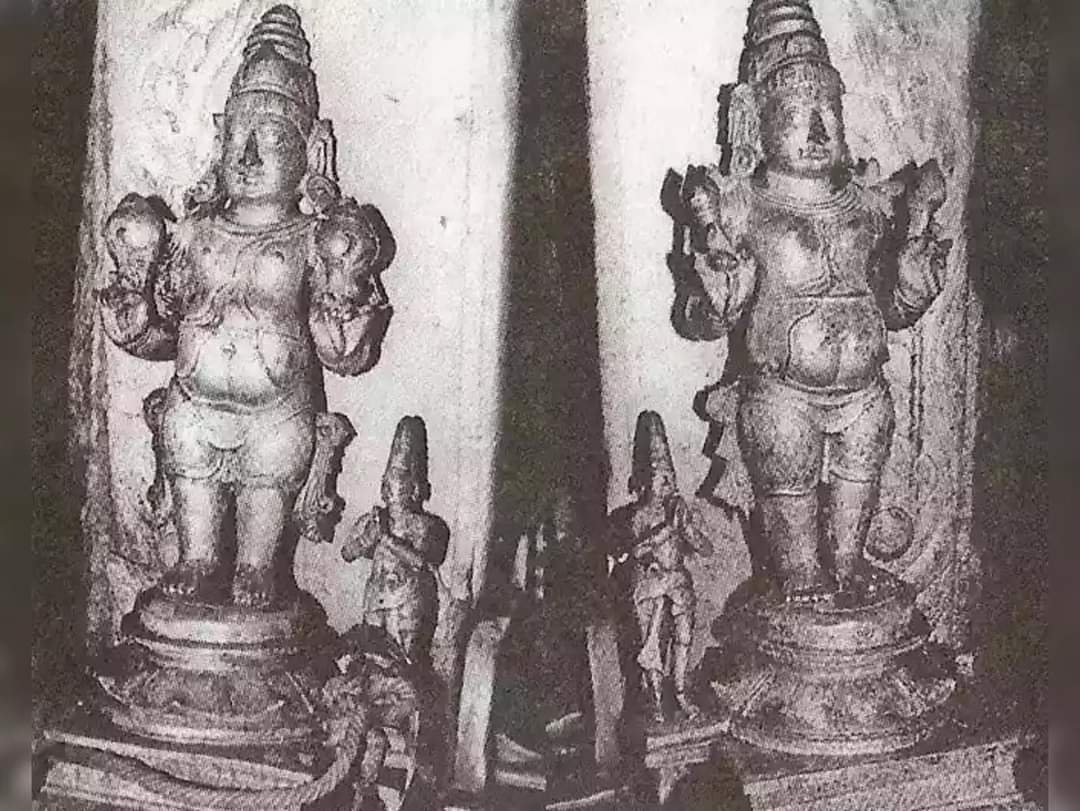
The curious case of Rama in West Bengal

Mahakavi Krritibas Ojha (1381–1461), a well known poet from Bengal, was the author of “Sri Rampanchali,” the Bengali version of the Sanskrit Ramayan. While he had largely changed the narrative of Valmiki’s Ramayan and made many additions..

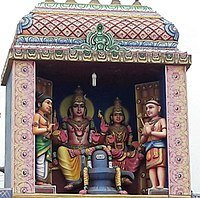
of his own (making Ram quite different from the original one), nevertheless the book became the lifeline of all Ramayat Vaishnavites (pre Chaityna era) in Bengal. This love for Ram is so evident in innumerable Temple terracotta plaques, personal names, place names, daily idioms,
Ram naam jap to dispel fear by children to adults, folk theatres/dances and folk songs, puppet shows, and even politics, where Raghupati keeps appearing frequently. 100 years back Sir Ashutosh Mukherjee had started celebrating the birth anniversary of this Ramayan Mahakavi,
Prior to Gaurio Vaishnavism of Sri Chaityna (1486 – 1533) it was the Ramayat form of Vaishnavism that prevailed in Bengal. Infact the biographer of Sri Chaityna, Jayanand’s family worshipped Ram as their kul devta. In 1112 CE Shovanath Chandra in Sribati established a Raghunath
Jeur temple (they built three terracotta temples). This is a family of Gujarati traders, and their puja still continues. Two more names crop up from western India (Ramanand Tewari and a certain Madhav Rao) who settled in Bengal and also started the puja of Ramchandra.
However, beyond these names innumerable Bengali names crop up too, who were also so to say “Ram bhakts”, including the families of Sri Ramakrishnadev, Mahakavi Chandidas, etc.
From today, I will devote my 1 tweet to debunk the “fake narrative” of Shri Rama being called as an “outsider” or “ONLY HINDUSTANI GOD” in Bengal and will try to present the true History of “Bangla-r Roghubeer.”

Credit:- @monidipadey Mam 🙏🏻
More from All

The best morning routine?

Starts the night before.

9 evening habits that make all the difference:

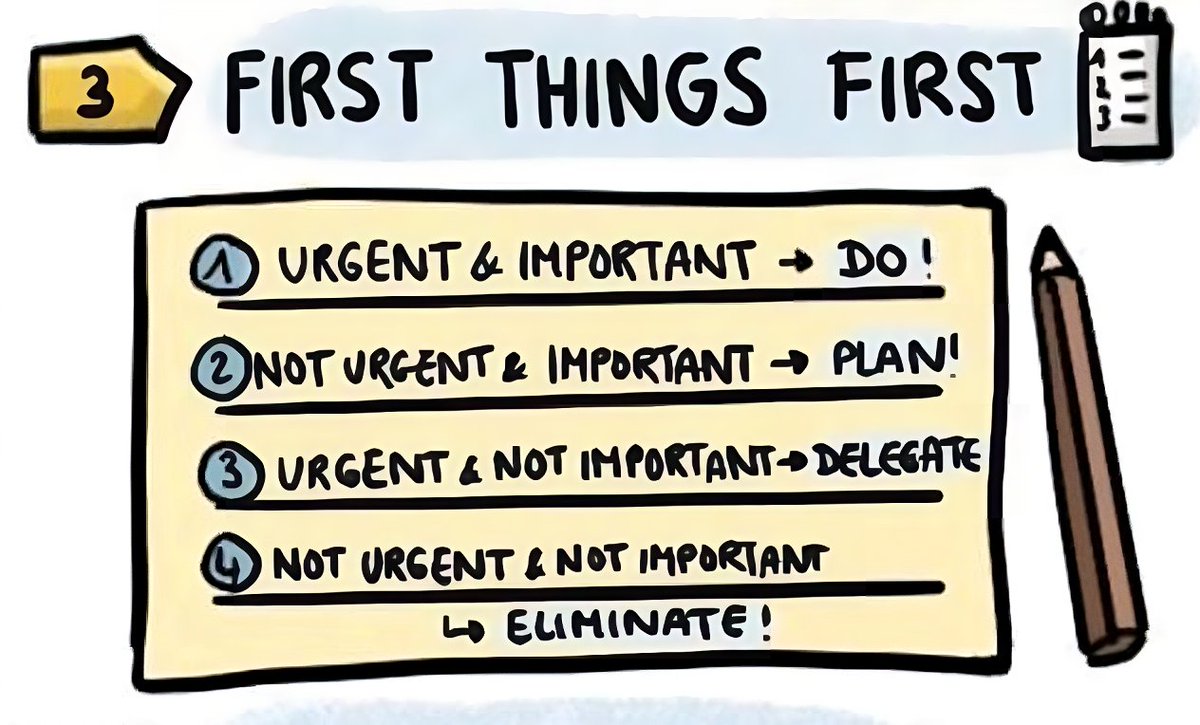
1. Write down tomorrow's 3:3:3 plan

• 3 hours on your most important project
• 3 shorter tasks
• 3 maintenance activities

Defining a "productive day" is crucial.

Or else you'll never be at peace (even with excellent output).

Learn more


2. End the workday with a shutdown ritual

Create a short shutdown ritual (hat-tip to Cal Newport). Close your laptop, plug in the charger, spend 2 minutes tidying your desk. Then say, "shutdown."

Separating your life and work is key.

3. Journal 1 beautiful life moment

Delicious tacos, presentation you crushed, a moment of inner peace. Write it down.

Gratitude programs a mindset of abundance.

4. Lay out clothes

Get exercise clothes ready for tomorrow. Upon waking up, jump rope for 2 mins. It will activate your mind + body.

You May Also Like

THREAD: 12 Things Everyone Should Know About IQ

1. IQ is one of the most heritable psychological traits – that is, individual differences in IQ are strongly associated with individual differences in genes (at least in fairly typical modern environments). https://t.co/3XxzW9bxLE


2. The heritability of IQ *increases* from childhood to adulthood. Meanwhile, the effect of the shared environment largely fades away. In other words, when it comes to IQ, nature becomes more important as we get older, nurture less.
https://t.co/UqtS1lpw3n


3. IQ scores have been increasing for the last century or so, a phenomenon known as the Flynn effect. https://t.co/sCZvCst3hw (N ≈ 4 million)

(Note that the Flynn effect shows that IQ isn't 100% genetic; it doesn't show that it's 100% environmental.)


4. IQ predicts many important real world outcomes.

For example, though far from perfect, IQ is the single-best predictor of job performance we have – much better than Emotional Intelligence, the Big Five, Grit, etc. https://t.co/rKUgKDAAVx https://t.co/DWbVI8QSU3


5. Higher IQ is associated with a lower risk of death from most causes, including cardiovascular disease, respiratory disease, most forms of cancer, homicide, suicide, and accident. https://t.co/PJjGNyeQRA (N = 728,160)