
The Israelites increased their pace, off they ran, but their way is blocked by an impenetrable obstacle - the RED SEA.
PARTING THE RED SEA: FACT OR FICTION?
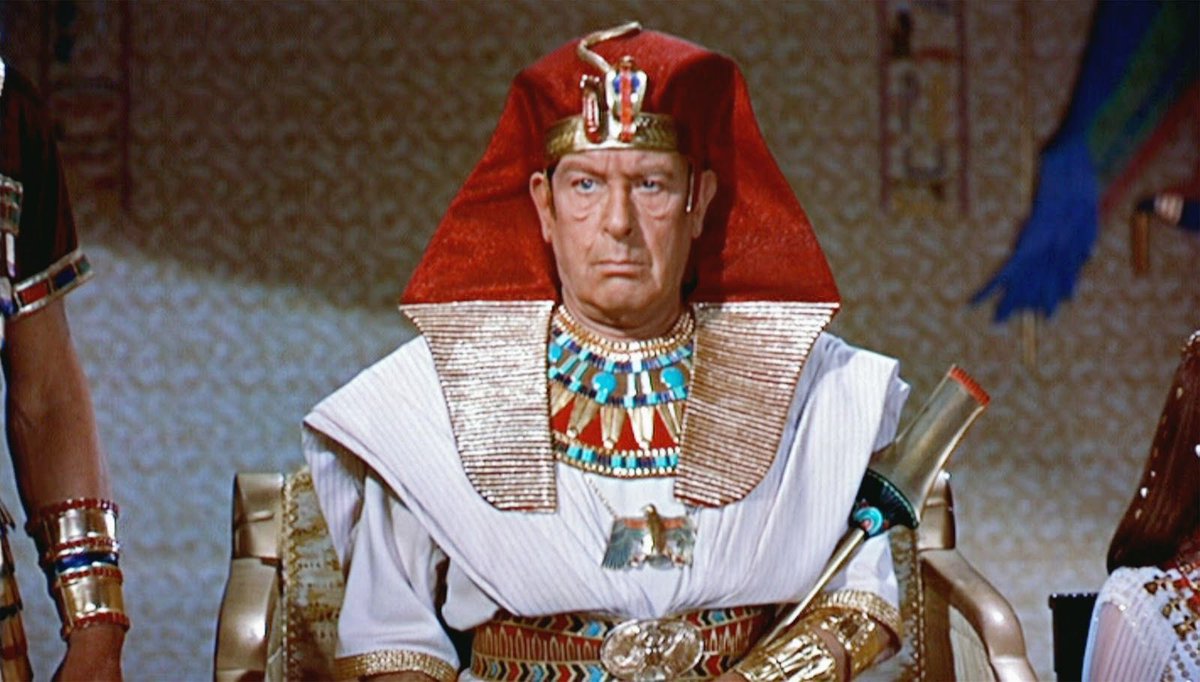
1. The story says the man Pharoah Ramesses II freed his people the Israelites after years in slavery, was Moses. God initiated series of plagues, finally Pharoah agreed to release the Israelites, they leave Egypt & head for the promised land
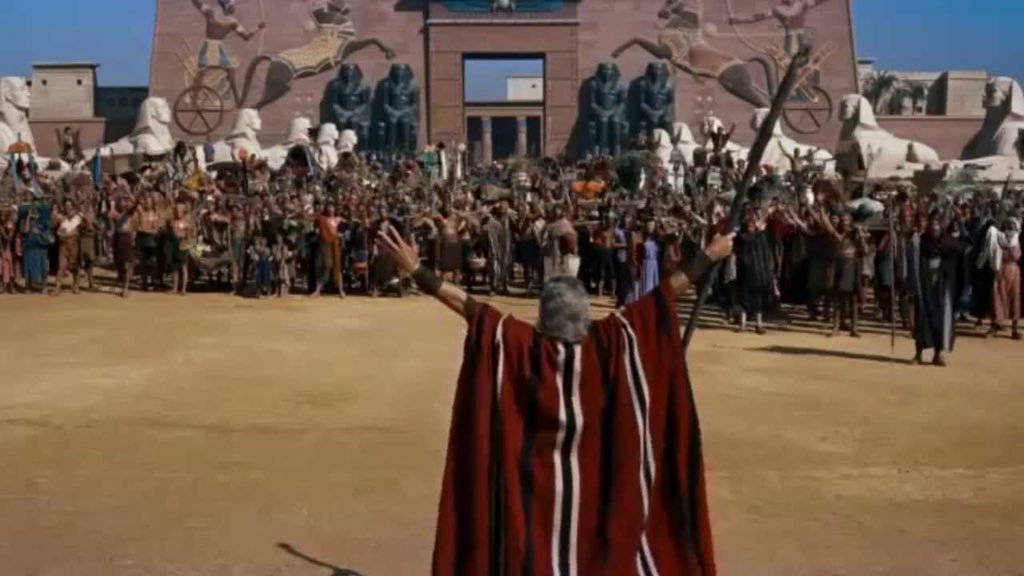
The Israelites increased their pace, off they ran, but their way is blocked by an impenetrable obstacle - the RED SEA.
Moses stretched out his arm, the water parts & the Israelites escapes right through the exploded seabed.
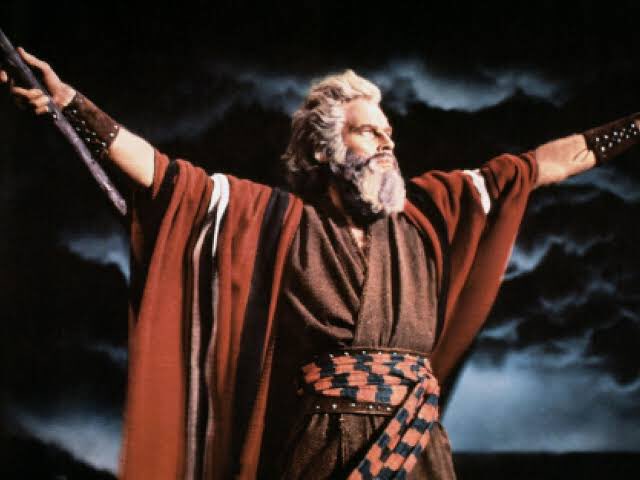
A great story by many stretch, but did anything like this really ever happen? Most scholars agree the story of Moses & the Israelites have been in the time of Ramesses II, the Greatest of all Pharaohs!
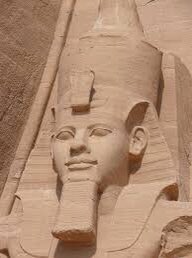
It’s an all too familiar story, but there’s a problem. Biblical text tells about the Israelites in Egypt for so many years. We are talking generations, but no one has found any physical trace of them.
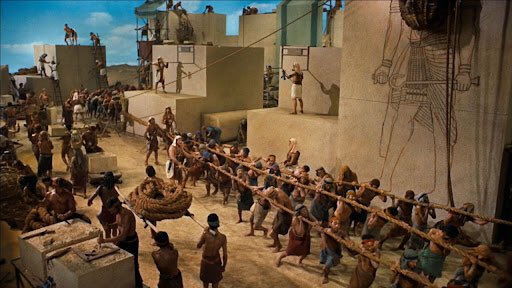
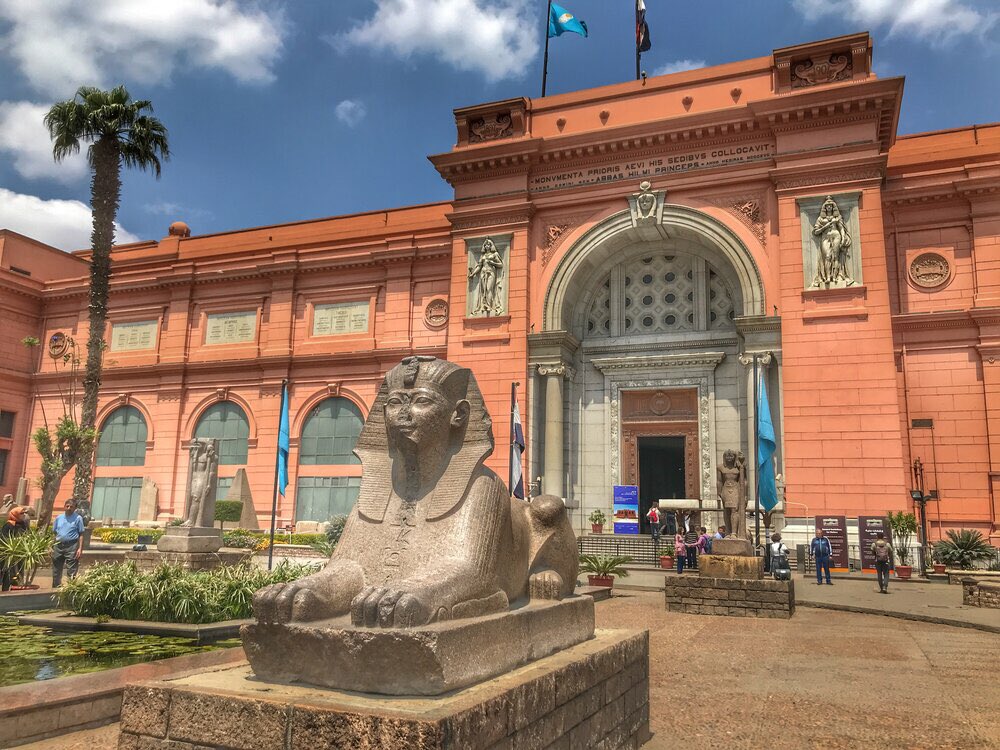
Could the answers we seek be within its walls? Our first clue can be found on the “Victory Stele of Merneptah” or simply “Israel Stele.”
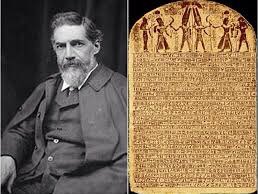
Merneptah ruled Egypt for just ten years in the early 1203 BC. He was the son of Ramesses II.
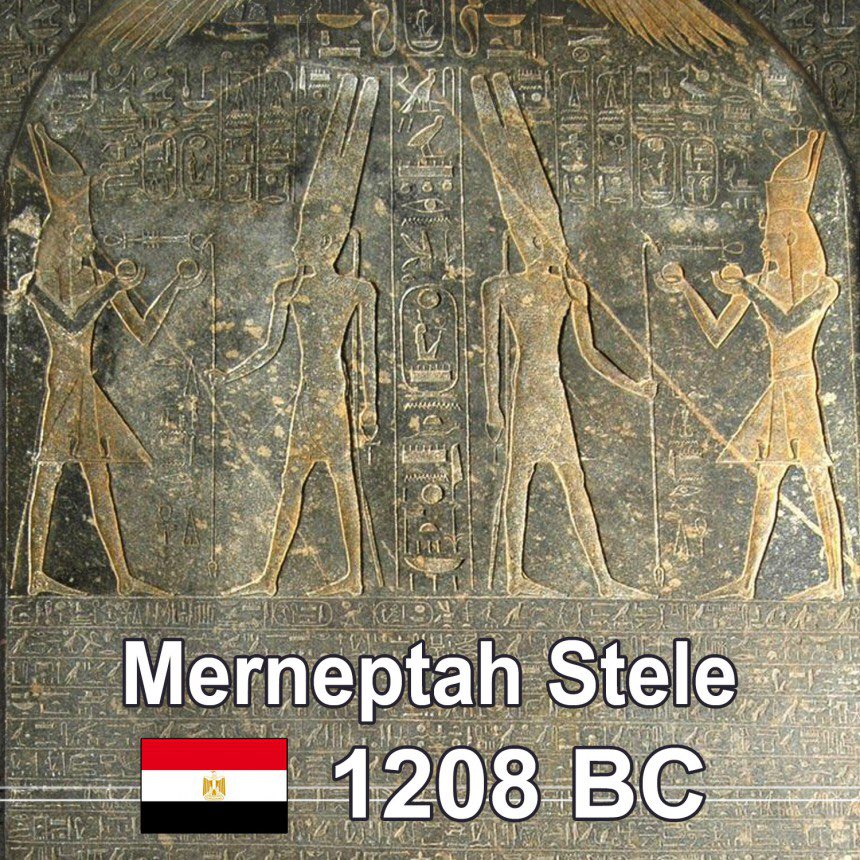
So from the very son of Ramesses II, is a story written in stone describing his victory over a people called Israel. But that’s all there is?
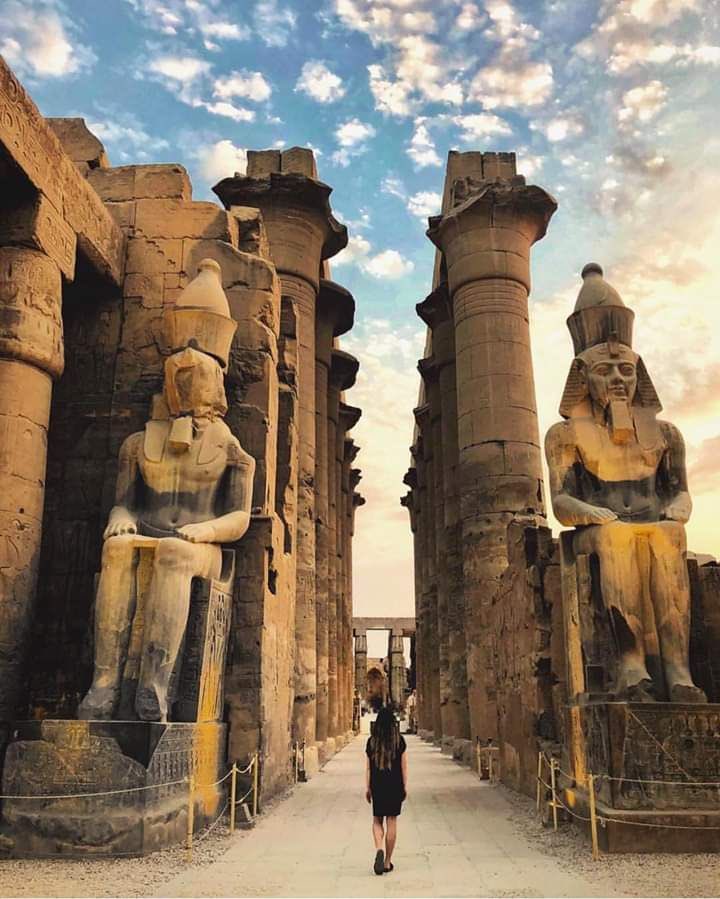
Is the problem the name? Was the Israelites called something else in that time? Our quest takes us to the city of Luxor, 500 miles from Cairo.
Luxor wasn’t just Ramesses capital, it was the ceremonial & religious center of the whole Egyptian empire.
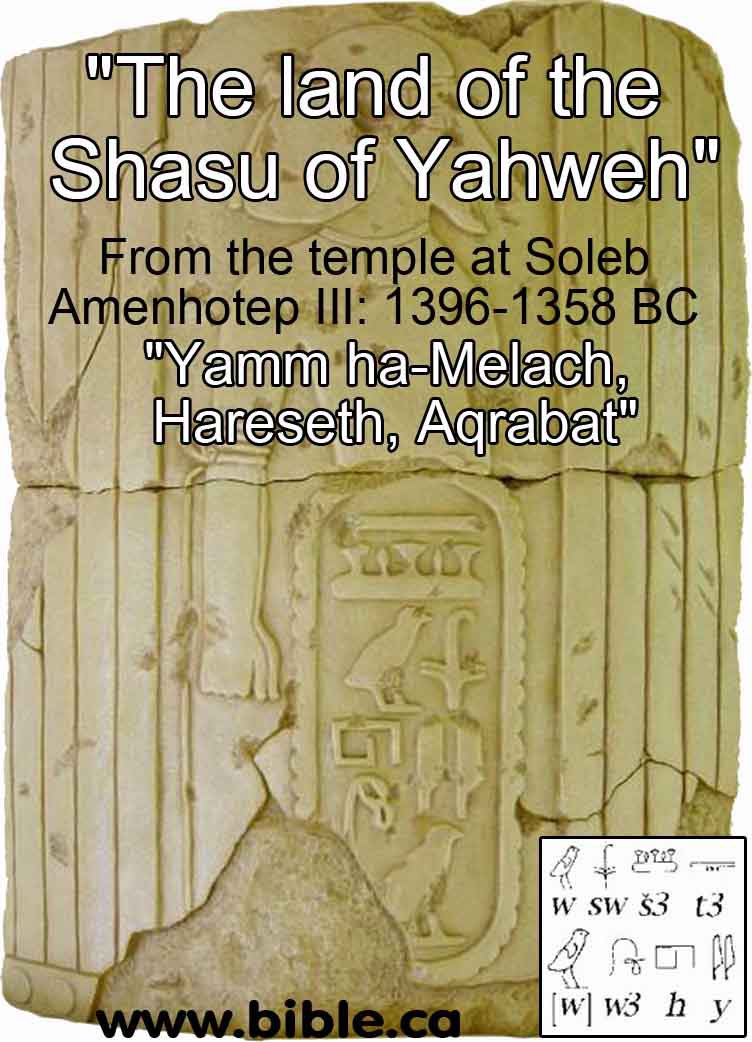
The evidence surrounding the Shasu people of Luxor is all too compelling.
Secondly there is a papyrus that says, “the Israelites fled Egypt” right about the same time the story of Moses took place.
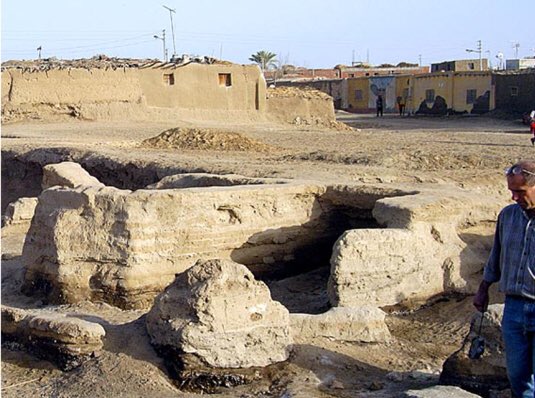
The remains of similar house, has been found all over the Holy lands.
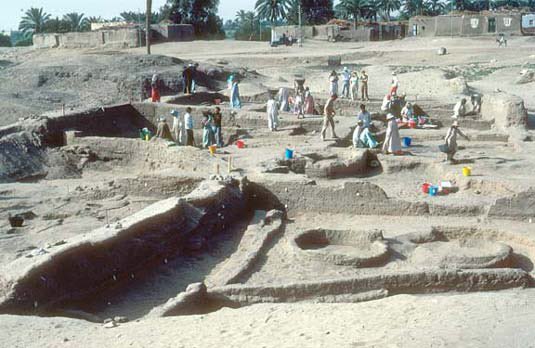
The image matches with the same house in Isreal.
It’s possible these are the Israelites we’ve been searching for! And there are traces of them everywhere, this might be the closest anyone can get to them.
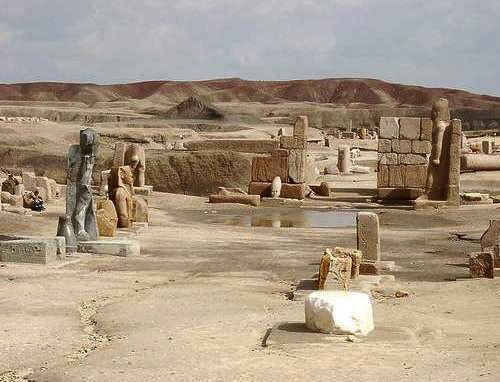
If it does, then perhaps Qantir city is where the Exodus began.
The scans reveal a huge Square mile area with huge stables for horses, just what you’ll need for an army of chariots.
Maybe the Shasu started their journey there? If they did, where did they go? The Red Sea?
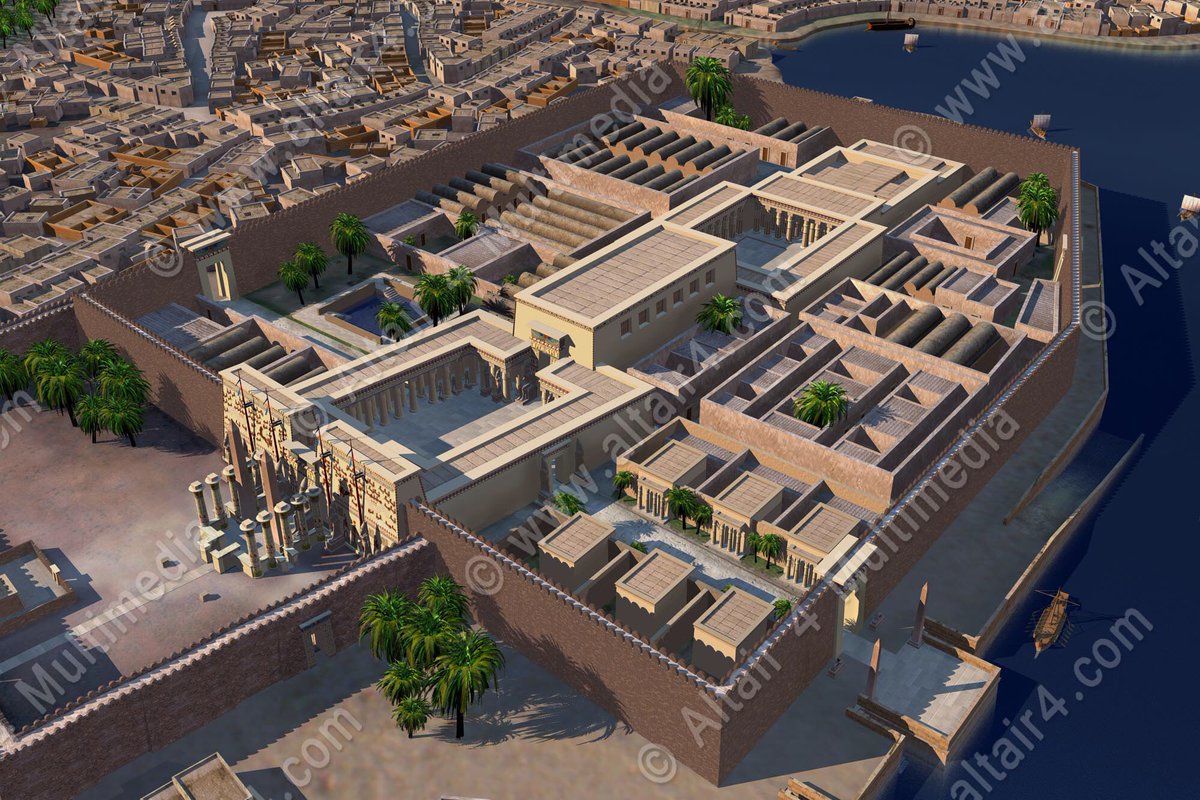
The question that puzzled many scholars for centuries is if the Israelites story is based on actual events?
If it was, what route did the Israelites take to the Holy lands?
This is obviously a long hike through the Syrian heat. There’s nothing in that desert in present day.
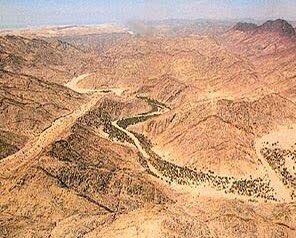
How were they going to cross the vast Red Sea, before the Egyptians caught up with them?
It is at this modern day Ismaïlia Egypt that the Bible tells that Moses parted the Red Sea.
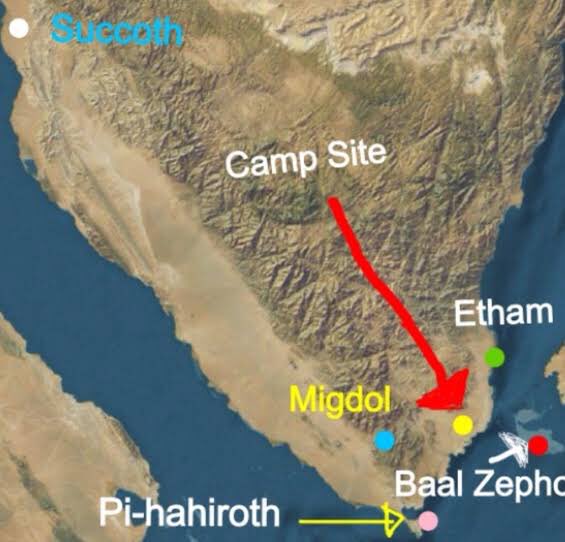
Now studies show that a mile wide channel is big enough to allow the Israelites to pass.
And even if it happened, how can so many people make it over in just one night? That doesn’t make any sense.
I mean, you can’t run 30 miles in a day, can you? That’s a lot of distance.
But what if it happened somewhere else? Now here’s an interesting twist; some experts believe the Red Sea is not the very sea the Bible talks about.
But the actual language in Hebrew is “Yam Suph” & the better translation is the “Sea of Reeds or the Reed Sea.”
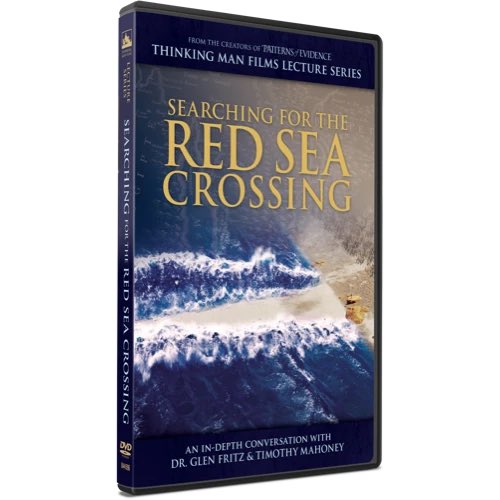
Now we have no idea where to find the mysterious Reed Sea, but there is a clue hidden back in Luxor.
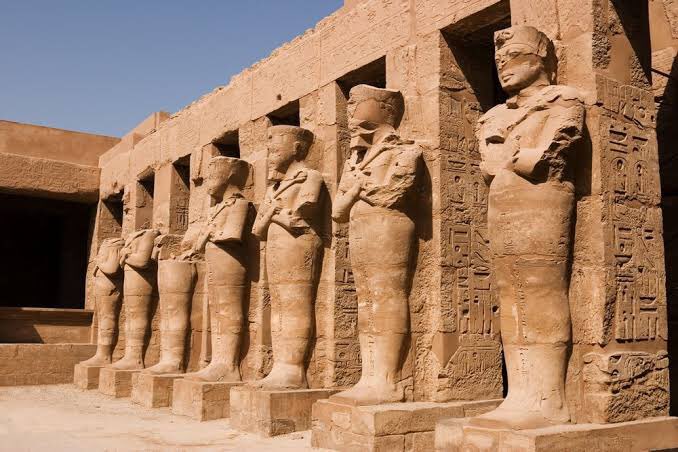
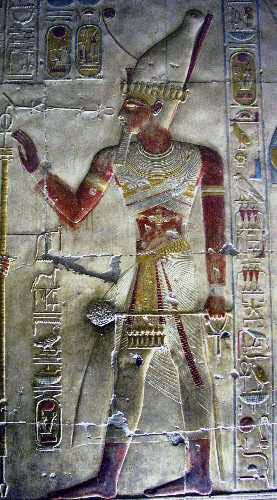
An epic pictorial history of the conquest of Pharoah Seti I, father of Ramesses II.
Now these rebels are a bunch of people known as the Shasu - our Israelites, the very people we’ve been looking for, bound as captives.
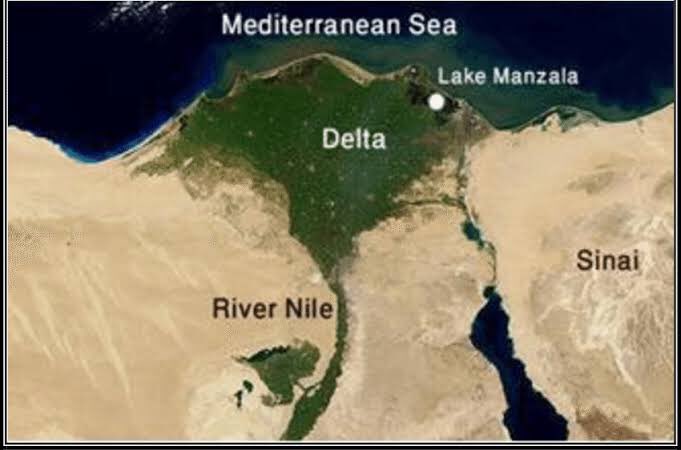
Migdol is what we can call a “fortress,” but it doesn’t actually mean a specific place.
So where is Migdol? Ancient Egyptians drew their maps upside down with the South at the top, the North in the bottom.
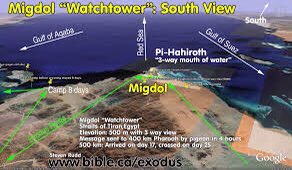
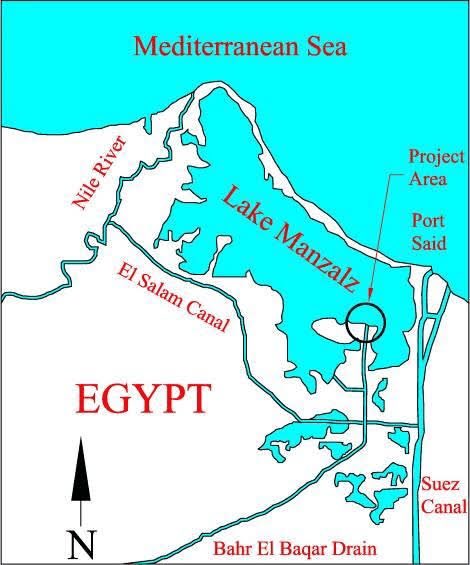
Did Moses lead the Israelites across Lake Manzala?
IS THE ARK OF THE COVENANT, FACT OR FICTION?
— NEFERTITI (@firstladyship) August 18, 2021
1. The wooden box covered in gold & said to have extraordinary powers. It is said that whoever finds it, will have direct access to God, \u2018whoever possesses it, will be invisible\u2019. It was given to one people, the Israelites. pic.twitter.com/9rT57M1YcI
More from All





The best morning routine?
Starts the night before.
9 evening habits that make all the difference:
1. Write down tomorrow's 3:3:3 plan
• 3 hours on your most important project
• 3 shorter tasks
• 3 maintenance activities
Defining a "productive day" is crucial.
Or else you'll never be at peace (even with excellent output).
Learn more
2. End the workday with a shutdown ritual
Create a short shutdown ritual (hat-tip to Cal Newport). Close your laptop, plug in the charger, spend 2 minutes tidying your desk. Then say, "shutdown."
Separating your life and work is key.
3. Journal 1 beautiful life moment
Delicious tacos, presentation you crushed, a moment of inner peace. Write it down.
Gratitude programs a mindset of abundance.
4. Lay out clothes
Get exercise clothes ready for tomorrow. Upon waking up, jump rope for 2 mins. It will activate your mind + body.
Starts the night before.
9 evening habits that make all the difference:
1. Write down tomorrow's 3:3:3 plan
• 3 hours on your most important project
• 3 shorter tasks
• 3 maintenance activities
Defining a "productive day" is crucial.
Or else you'll never be at peace (even with excellent output).
Learn more
How to be 5x more productive.
— Ben Meer (@SystemSunday) August 1, 2022
A best-selling author\u2019s 3-3-3 Method:
2. End the workday with a shutdown ritual
Create a short shutdown ritual (hat-tip to Cal Newport). Close your laptop, plug in the charger, spend 2 minutes tidying your desk. Then say, "shutdown."
Separating your life and work is key.
3. Journal 1 beautiful life moment
Delicious tacos, presentation you crushed, a moment of inner peace. Write it down.
Gratitude programs a mindset of abundance.
4. Lay out clothes
Get exercise clothes ready for tomorrow. Upon waking up, jump rope for 2 mins. It will activate your mind + body.

You May Also Like








Krugman is, of course, right about this. BUT, note that universities can do a lot to revitalize declining and rural regions.
See this thing that @lymanstoneky wrote:
And see this thing that I wrote:
And see this book that @JamesFallows wrote:
And see this other thing that I wrote:
One thing I've been noticing about responses to today's column is that many people still don't get how strong the forces behind regional divergence are, and how hard to reverse 1/ https://t.co/Ft2aH1NcQt
— Paul Krugman (@paulkrugman) November 20, 2018
See this thing that @lymanstoneky wrote:
And see this thing that I wrote:
And see this book that @JamesFallows wrote:
And see this other thing that I wrote:
