
But frankly they don't need to because everything else you give them unthinkingly is way cheaper and way more powerful.
I'm back from a week at my mom's house and now I'm getting ads for her toothpaste brand, the brand I've been putting in my mouth for a week. We never talked about this brand or googled it or anything like that.
As a privacy tech worker, let me explain why this is happening. 🧵
But frankly they don't need to because everything else you give them unthinkingly is way cheaper and way more powerful.
Data aggregators pay to pull in data from EVERYWHERE. When I use my discount card at the grocery store? Every purchase? That's a dataset for sale.
If my phone is regularly in the same GPS location as another phone, they take note of that. They start reconstructing the web of people I'm in regular contact with.
Family. Friends. Coworkers.
To subliminally get me to start a conversation about, I don't know, fucking toothpaste.
It never needed to listen to me for this. It's just comparing aggregated metadata.
https://t.co/Hb7yiolQz3
Your data isn't just about you. It's about how it can be used against every person you know, and people you don't. To shape behavior unconsciously.
Block the fuck out of every app's ads. It's not just about you: your data reshapes the internet.
https://t.co/3ZCUELWqfA
At least make it hard for them. 🪡
Soon I\u2019m starting playtesting on my first adventure I intend to publish.
— Robert G. Reeve (@RobertGReeve) March 23, 2021
It\u2019s about a diamond cartel that\u2019s cornered the market on resurrection.
Here\u2019s the first piece of art I\u2019ve commissioned, by Andrew Phan. His portfolio is here: https://t.co/h3ScB5DbQg pic.twitter.com/0GkRhjuXXn
More from All










You May Also Like


1/x Fort Detrick History
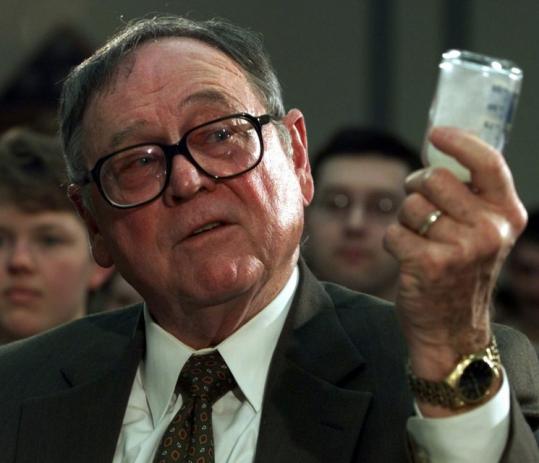
Mr. Patrick, one of the chief scientists at the Army Biological Warfare Laboratories at Fort Detrick in Frederick, Md., held five classified US patents for the process of weaponizing anthrax.
2/x
Under Mr. Patrick’s direction, scientists at Fort Detrick developed a tularemia agent that, if disseminated by airplane, could cause casualties & sickness over 1000s mi². In a 10,000 mi² range, it had 90% casualty rate & 50% fatality rate
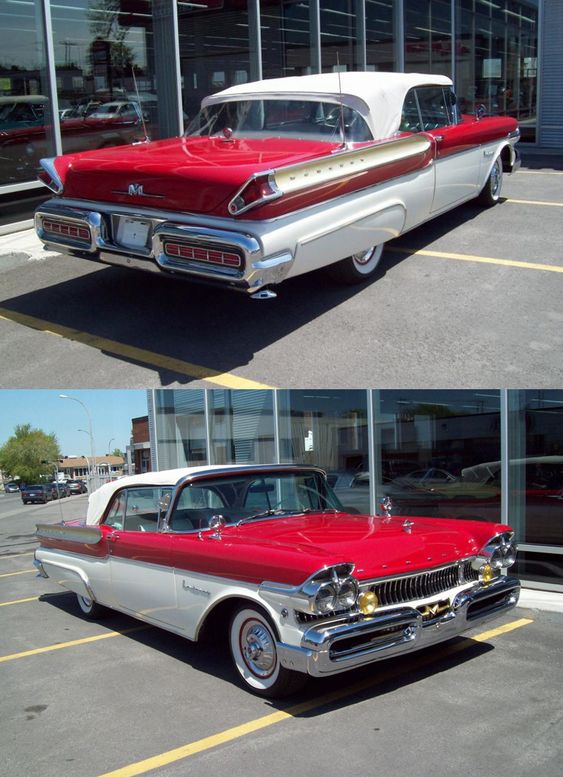
3/x His team explored Q fever, plague, & Venezuelan equine encephalitis, testing more than 20 anthrax strains to discern most lethal variety. Fort Detrick scientists used aerosol spray systems inside fountain pens, walking sticks, light bulbs, & even in 1953 Mercury exhaust pipes
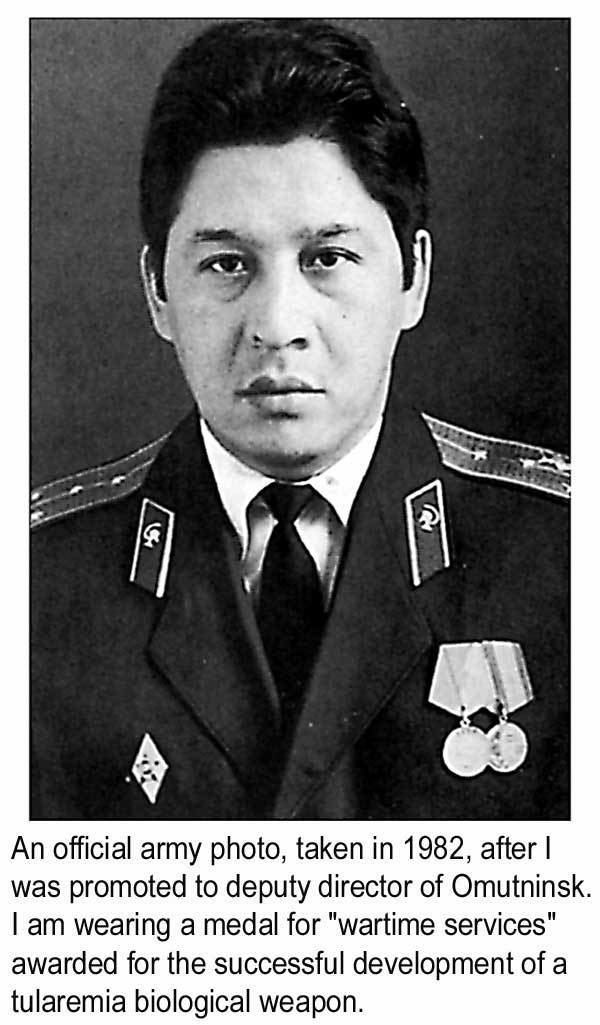
4/x After retiring in 1986, Mr. Patrick remained one of the world’s foremost specialists on biological warfare & was a consultant to the CIA, FBI, & US military. He debriefed Soviet defector Ken Alibek, the deputy chief of the Soviet biowarfare program
https://t.co/sHqSaTSqtB
5/x Back in Time
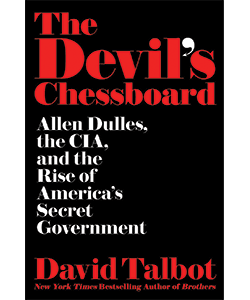
In 1949 the Army created a small team of chemists at "Camp Detrick" called Special Operations Division. Its assignment was to find military uses for toxic bacteria. The coercive use of toxins was a new field, which fascinated Allen Dulles, later head of the CIA
Mr. Patrick, one of the chief scientists at the Army Biological Warfare Laboratories at Fort Detrick in Frederick, Md., held five classified US patents for the process of weaponizing anthrax.
2/x
Under Mr. Patrick’s direction, scientists at Fort Detrick developed a tularemia agent that, if disseminated by airplane, could cause casualties & sickness over 1000s mi². In a 10,000 mi² range, it had 90% casualty rate & 50% fatality rate
3/x His team explored Q fever, plague, & Venezuelan equine encephalitis, testing more than 20 anthrax strains to discern most lethal variety. Fort Detrick scientists used aerosol spray systems inside fountain pens, walking sticks, light bulbs, & even in 1953 Mercury exhaust pipes
4/x After retiring in 1986, Mr. Patrick remained one of the world’s foremost specialists on biological warfare & was a consultant to the CIA, FBI, & US military. He debriefed Soviet defector Ken Alibek, the deputy chief of the Soviet biowarfare program
https://t.co/sHqSaTSqtB
5/x Back in Time
In 1949 the Army created a small team of chemists at "Camp Detrick" called Special Operations Division. Its assignment was to find military uses for toxic bacteria. The coercive use of toxins was a new field, which fascinated Allen Dulles, later head of the CIA
