Personalizing the first line of every cold email will 10x replies.

But what's a good first line look like?

And what's a bad one look like?

Here's how to personalize correctly.

THREAD

Start with their LinkedIn bio.

Here's an agency owner.

"Hey Chris, love your book! There's some awesome ideas in there."

"Hey Chris, loved your last podcast episode!"
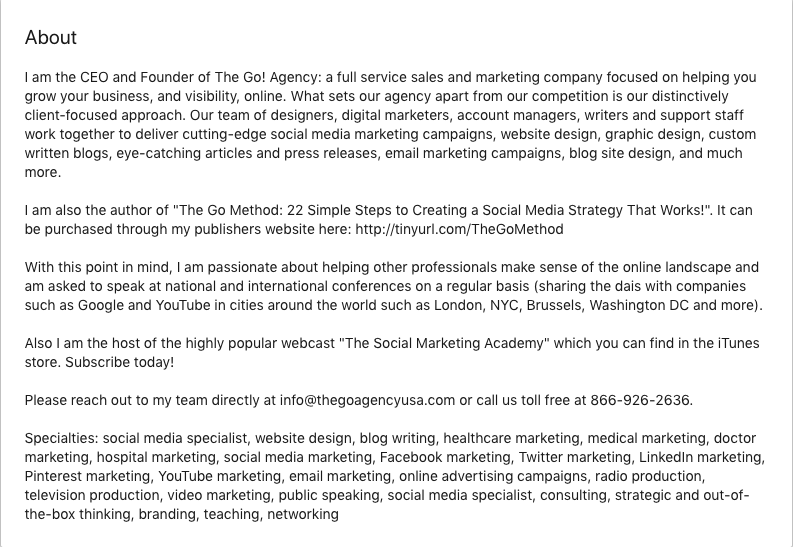
Nothing in their LinkedIn bio?

Go to their LinkedIn Activity.

"Hey Chris, love the new agency brochure you made!"

"Hey Chris, love that article you shared on LinkedIn about email strategy!"
Is their LinkedIn completely blank?

Go to their website testimonials/case studies.

"Hey Chris, awesome testimonials from Al Rise and Clint Dockery! You guys do great work."
Do they not have testimonials or case studies?

Go to their blog.

"Hey Chris, love that blog post you wrote about staying connected with a remote team!"
Do they not have a blog?

Go to their About page.

"Hey Chris, very impressive that you worked at marketing firms in the UK and South Africa!"
Do they not have an About page?

Go to their Instagram.

"Hey Chris, loved the Tips story highlight on your Instagram, especially the one about improving you visuals!"
How do you know if your first line is good?

> It doesn't sound weird if you say it out loud.
> You couldn't send it to anybody else besides that person
> It's about something specific. Not "love all the work you're doing!"
If you loved this thread Likes & Retweets on the first tweet are greatly appreciated 💯

If you want to learn how to get clients with cold email, consider getting Cold Email Mastery 👇

https://t.co/htijEQjtdf

More from All

You May Also Like

My top 10 tweets of the year

A thread 👇

https://t.co/xj4js6shhy


https://t.co/b81zoW6u1d


https://t.co/1147it02zs


https://t.co/A7XCU5fC2m
https://t.co/6cRR2B3jBE
Viruses and other pathogens are often studied as stand-alone entities, despite that, in nature, they mostly live in multispecies associations called biofilms—both externally and within the host.

https://t.co/FBfXhUrH5d


Microorganisms in biofilms are enclosed by an extracellular matrix that confers protection and improves survival. Previous studies have shown that viruses can secondarily colonize preexisting biofilms, and viral biofilms have also been described.


...we raise the perspective that CoVs can persistently infect bats due to their association with biofilm structures. This phenomenon potentially provides an optimal environment for nonpathogenic & well-adapted viruses to interact with the host, as well as for viral recombination.


Biofilms can also enhance virion viability in extracellular environments, such as on fomites and in aquatic sediments, allowing viral persistence and dissemination.