1) First, a bit of context:
Before the iPhone, the wireless phone industry could not have been more different than what it is today.
Wireless network providers (carriers) had pretty much all the control.
2) AT&T (then Cingular), Verizon, and others set the rules. They told phone makers how to spec the phones. They owned the distribution. They even controlled the phone’s software.
Phone manufacturers had little autonomy to do what they wanted.
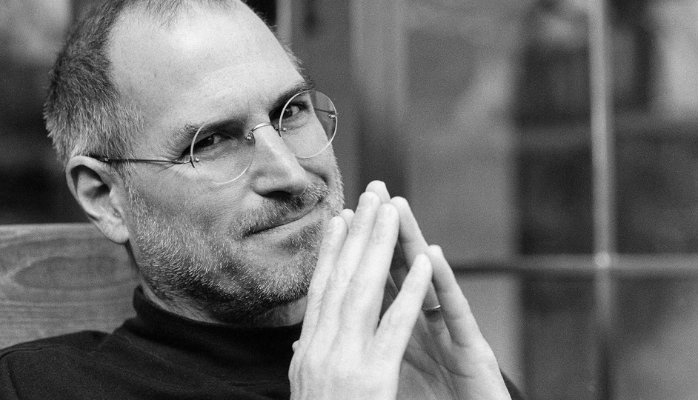
Steve, obviously, had other plans.
3) He wouldn’t let anything compromise his vision of creating a device that combined an iPod, Phone, and Internet Communicator.
And, in classic Steve fashion, he wanted to be in control of it all.
4) Unwilling to compromise, Jobs knew that he needed to find a launch partner that would be willing to completely relinquish their control, in the hopes that his iPhone would be a massive success.
So he came up with his list of demands.
5) Steve mandated Apple would:
- own the full design, manufacturing, and marketing process
- sell the iPhone in its own stores
- control all the software
- receive a revenue split from each iPhone users phone bill
6) The partner also needed to do a few things, like create a new unlimited data plan (novel at the time) for iPhone users, and build visual voicemail.
Most importantly, they needed agree to all these terms at a time when the iPhone was just a concept and a couple of sketches.
7) In an industry where they weren’t used to be being told what to do, the carriers were less than excited.
So what was in it for them?
Being the exclusive partner of a potentially world-changing product, for 5 years.
8) So in 2005, Steve set off to find a partner who’d be agreeable to all his terms, for anything less would too compromising.
He first approached Verizon.
9) After several conversations with Verizon leaders trying to explain away their nervousness around this newly proposed business model, Steve was told “no.”
Verizon went on to say: "The iPhone product is something we are happy we aren't the first to market with.”
10) Steve was going to make them eat their words.
He met with other carrier CEO’s and each meeting ended similarly.
Eventually, Steve met with AT&T.
11) They had the same reservations. The upfront investment to restructure their network for unlimited data and visual voicemail would be huge - tens of millions at least.
But AT&T was his last shot at one of the nation’s top carriers, he had to make this work.
12) In a tense meeting, at his wits end trying to convince AT&T leadership, Steve took the bet himself.
“Let’s just give em $1 billion”
Steve wagered he’d cut AT&T a check today, and if the deal didn’t work out in their favor, they could keep all the money.
13) AT&T were stunned. They’d never seen such confidence.
Rather than accept the semi-serious/crazy proposal, they signed the original contract with Steve and became the exclusive launch partner of the iPhone for 5 years.
14) Apple and AT&T sold ~270M iPhones under their first contract.
270M new unlimited data plans for AT&T (and Apple got a $10/month cut from every phone bill)
The kicker? 40% of iPhone buyers transferred from a different carrier to AT&T, many of them Verizon.
15) Against the odds, Steve and AT&T launched one of the most successful products of all time and completely up-ended mobile phone industry.
Steve employed one of the oldest negotiating techniques: holding firm, with an unwavering belief in yourself.